Saudi Arabia faces a growing security challenge as Houthi missile and drone attacks reach Riyadh and threaten critical energy infrastructure, putting pressure on the Kingdom's air defences and vital oil export routes.
The escalation comes as Saudi Arabia grapples with disruption to alternative oil routes, mounting pressure on its air-defence capabilities and uncertainty over the level of security support available from Washington.
Riyadh targeted as Houthi attacks escalate
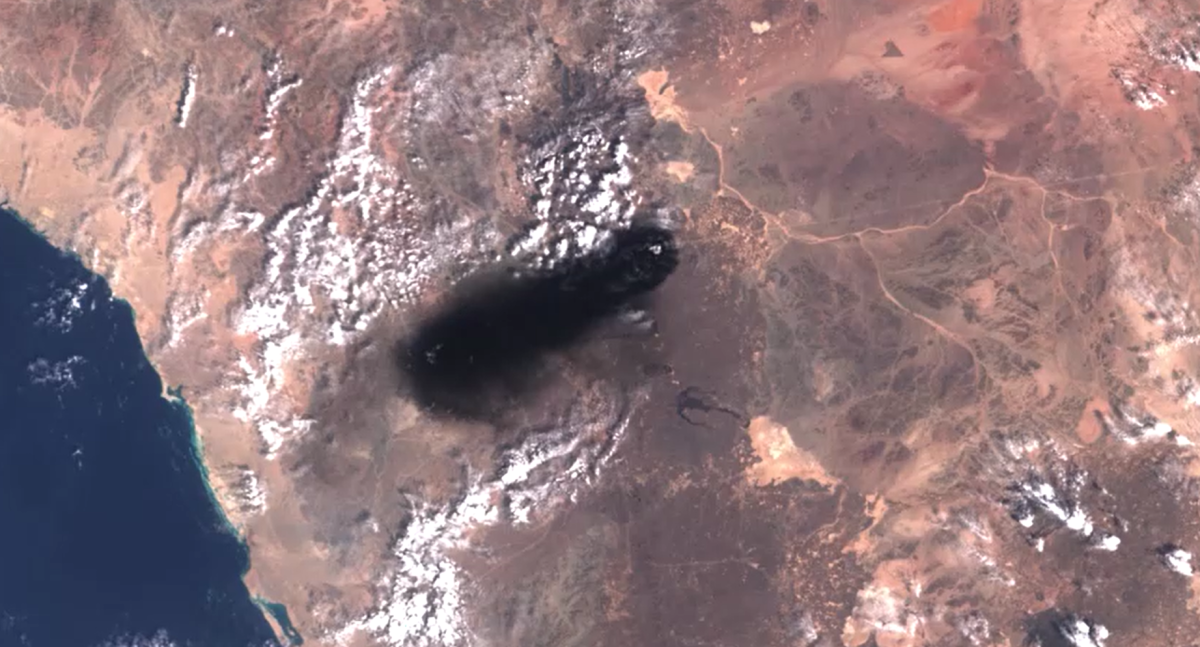
On 19 September, Saudi authorities confirmed that air-defence systems had intercepted a ballistic missile launched towards the capital. The Houthis claimed responsibility for missile and drone attacks on sensitive sites in Riyadh and said they had also targeted an Aramco oil facility in Yanbu.
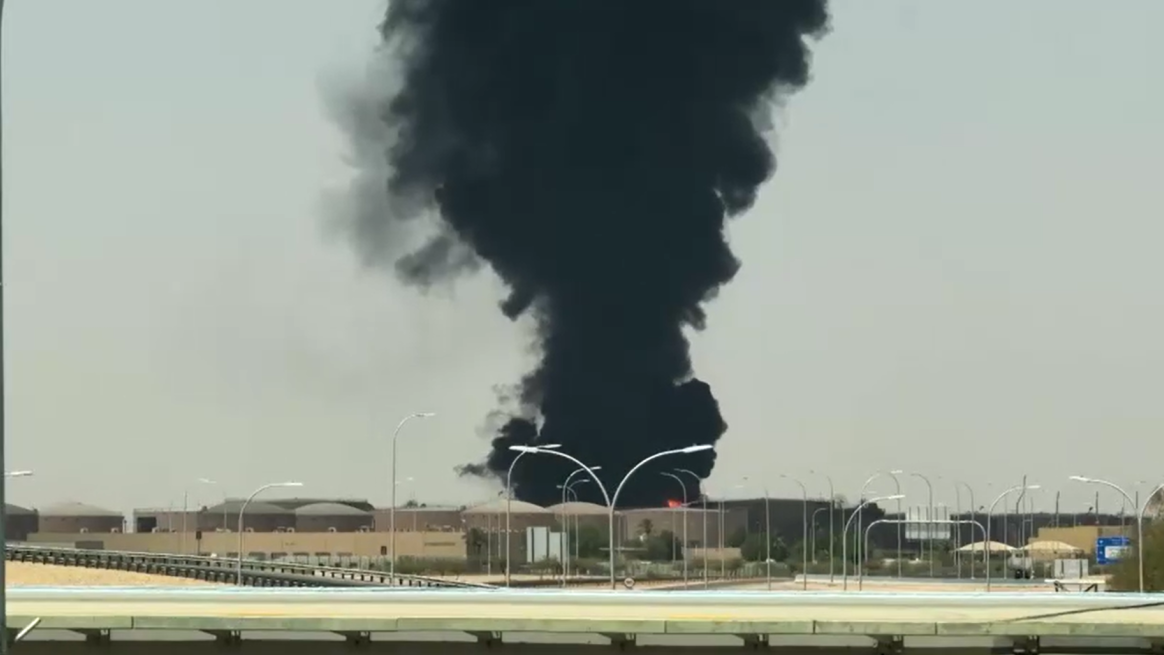
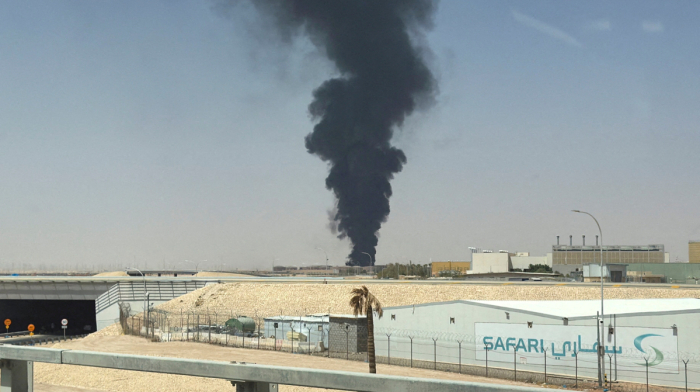
Reuters reported that flames and a large plume of smoke were visible near King Khalid International Airport. The Saudi-led coalition confirmed the interception of a missile aimed at Riyadh and said it had foiled other attacks targeting Taif, Yanbu, Farasan and Bish.
The Houthis' claims of damage at the Yanbu oil facility have not been independently verified. Saudi authorities have also reported other attempted attacks, including a drone intercepted while heading towards Mecca.
The attacks come as Houthi forces expand their control along Yemen's western coast, increasing pressure around strategic Red Sea shipping routes. Saudi-backed Yemeni forces have meanwhile stepped up strikes against Houthi positions.
Alternative energy routes under pressure
Saudi Arabia's energy export strategy is also being tested by the widening conflict.
The Kingdom has increased crude exports through the Strait of Hormuz despite heightened security risks. At the same time, Saudi Arabia's East-West oil pipeline, which stretches approximately 1,200 kilometres from the country's main oil-producing areas to the Red Sea, provides a crucial alternative route to Hormuz.
The pipeline allows crude to reach Red Sea export terminals, reducing Saudi Arabia's reliance on one of the world's most important maritime chokepoints.
But the pipeline itself has come under attack. On 11 September, it was temporarily shut down following a drone attack that Saudi Arabia said was launched from Iraq. There has been no confirmed evidence that the Houthis were involved in planning the attack.
At the same time, Houthi advances near the Bab el-Mandeb Strait have created additional risks for Saudi energy shipments through the Red Sea.
Despite the disruption, Saudi oil exports have recovered. Exports rose to more than four million barrels per day in September, compared with approximately 2.4 million barrels per day in August.
In the week of 13 September, 22 tankers carrying about 42 million barrels of crude passed through the Strait of Hormuz, with Saudi shipments accounting for about half of that volume.
The shift highlights the difficult choices facing Riyadh.
The East-West pipeline was designed to provide an alternative export route, but its disruption has forced Saudi Arabia to rely more heavily on a maritime passage already facing serious security risks.
Shipping costs have also surged as producers and traders adapt to the disruption, with vessels using alternative arrangements including ship-to-ship transfers.
Pressure grows on Gulf air defences
Washington remains a major defence partner for Riyadh, but Saudi Arabia has reportedly turned to France, Britain, Pakistan and Egypt for support as its missile-defence resources come under growing pressure.
The Associated Press reported that shortages of interceptors were linked in part to depleted U.S. stockpiles amid the wider war with Iran. Gulf states are confronting a combination of ballistic missiles, cruise missiles and drones, placing greater demands on air-defence systems designed to detect and intercept different types of threats.
Bloomberg has reported that more than $5 billion in defence contracts involving anti-drone and related systems have been announced or approved across the Gulf since the war began.
The figure points to growing demand for air-defence and counter-drone technology, although announced contracts should not be treated as equivalent to increases in annual military budgets.
Saudi Arabia and other Gulf states are therefore looking beyond existing arrangements, seeking additional defence capabilities and strengthening security partnerships as U.S. military resources remain stretched by the wider regional conflict.
Saudi security strategy faces a wider test
The Houthi attacks are forcing Riyadh to confront several security challenges at once.
The immediate priority is protecting the capital and critical energy infrastructure from further missile and drone attacks. Longer term, Saudi Arabia must maintain reliable oil export routes in a region where threats are no longer confined to its southern border or a single maritime chokepoint.
That could require further investment in air defence, stronger protection for critical infrastructure and greater resilience across alternative export routes, alongside deeper international security cooperation.
The regional security landscape is also shifting. The United States remains a central security partner, while China has become increasingly involved in diplomatic efforts and Gulf governments are seeking additional defence capabilities as instability affects both the Strait of Hormuz and the Red Sea.
Read more:
















What is your opinion on this topic?
Leave the first comment