Pakistan has declared a state of emergency in Khyber Pakhtunkhwa, suspending the provincial government led by jailed former Prime Minister Imran Khan’s party. The move comes as tensions rise ahead of a planned protest calling for his release.
President Asif Ali Zardari announced the decision on Sunday, following a request from Prime Minister Shehbaz Sharif. The government says the intervention is needed to address growing militant violence in the province, which borders Afghanistan. Khan’s Pakistan Tehreek-e-Insaf (PTI) party has rejected the government’s accusations and condemned the decision.
Government takes control as tensions grow
Law Minister Azam Nazeer Tarar said a provincial governor would take charge for an initial six months, with the possibility of extending the arrangement if necessary. The interior ministry also announced plans to deploy troops in the province.
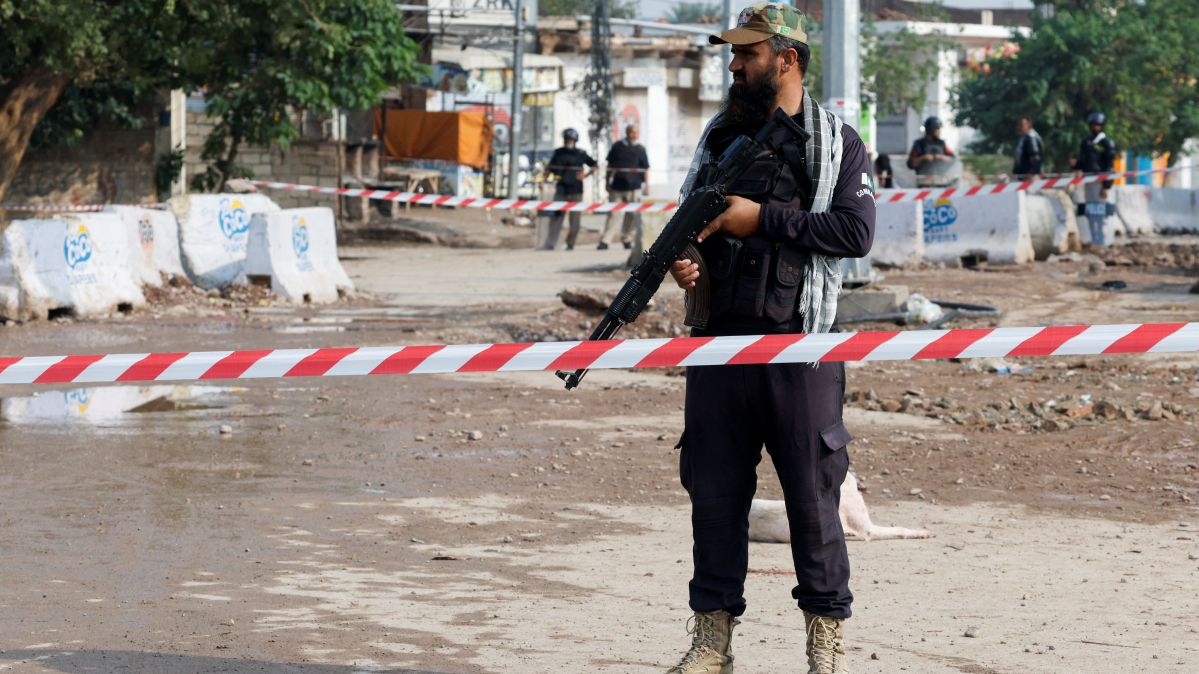
Khyber Pakhtunkhwa has faced a rise in militant attacks in recent months. The federal government and the military blame the PTI for failing to contain the violence, while the party argues that Islamabad has not provided the resources and equipment needed to deal with the threat.
Restrictions have also been placed on the movements of Sohail Afridi, who previously led the province, according to one of his close aides.
PTI calls emergency a threat to democracy
The decision adds to an already tense standoff between Khan’s party and the federal government, with PTI supporters preparing to march on Islamabad to demand his release.
PTI spokesperson Zulfikar Bukhari accused the government of using the emergency to prevent the protest, describing the move as “more of a coup disguised as emergency”. He warned that it could trigger further violence and instability.
Maulana Fazlur Rehman, leader of the JUI-F party, which has been involved in efforts to mediate between the government and the PTI, also criticised the decision.
“Imposition of emergency is an ambush on democracy,” he said at a news conference in Islamabad.
The dispute comes amid wider tensions over the military’s role in Pakistani politics. The government has expanded the military’s powers, while the PTI accuses the army of exerting too much influence over political affairs. The military denies this.
Crackdown ahead of planned protest
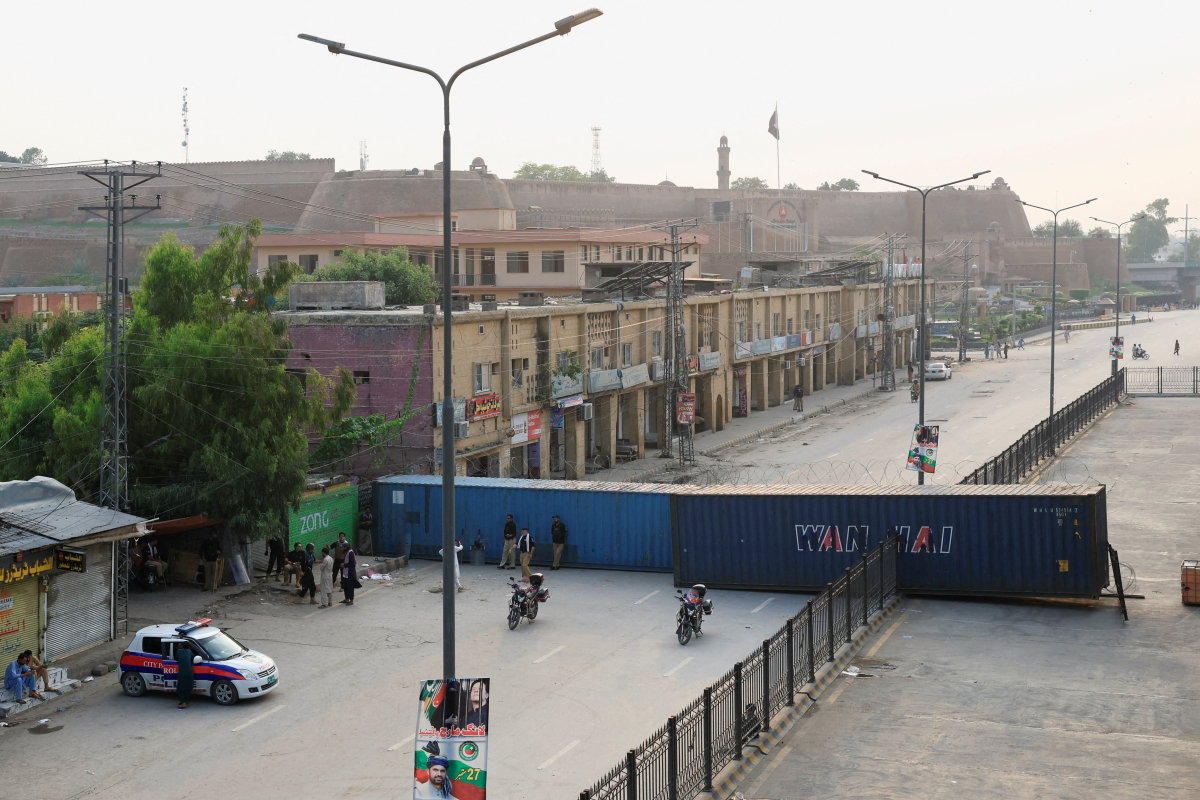
Authorities have deployed tens of thousands of security personnel in Islamabad and placed shipping containers along roads to block protesters from reaching parliament.
Hundreds of PTI activists and three of Khan’s sisters have also been detained ahead of the planned march. The party says the arrests form part of one of the strongest crackdowns it has faced in years.
Protests linked to Khan have previously ended in violence. A large-scale demonstration two years ago led to deadly clashes with security forces, while his arrest in 2023 sparked nationwide riots that put the military under pressure.
Khan, a former cricket star who is now 74, remains in prison. His party won the most seats in Pakistan’s 2024 election through its backed candidates but formed a government only in Khyber Pakhtunkhwa. His supporters say the military rigged the vote against him, a claim the military denies.
He faces several legal cases, including allegations involving state gifts, inciting violence and an unlawful marriage. All but one of his convictions have been suspended or overturned, with appeals still pending. Khan denies wrongdoing.
Islamabad points to militant attacks
Prime Minister Sharif has defended the emergency by pointing to repeated attacks on security forces and civilians.
“We can’t just act as a silent spectator,” he told the cabinet.
Pakistan has also accused Afghanistan of allowing militants to operate from its territory and launch attacks inside Pakistan. Islamabad further alleges that the PTI has sympathised with the Taliban in Kabul and its domestic affiliates. Both deny the accusations.
Read more:












What is your opinion on this topic?
Leave the first comment