Police detained hundreds of protesters in New Delhi on Sunday as demonstrations demanding the resignation of India's chief election commissioner entered a second day, while a court ordered the release of the founder of the youth-led Cockroach Janta Party (CJP) and two other senior leaders.
Abhijeet Dipke and the two leaders were detained when their flight landed in Delhi on Saturday, ahead of a planned demonstration at Jantar Mantar, a designated protest site in the capital.
The court ordered their release on the condition that they maintain public peace, the CJP said. Ratna Singh, the party's legal head, announced the release in a post on X.
“Cockroaches never die,” the group posted on its account following Dipke's release.
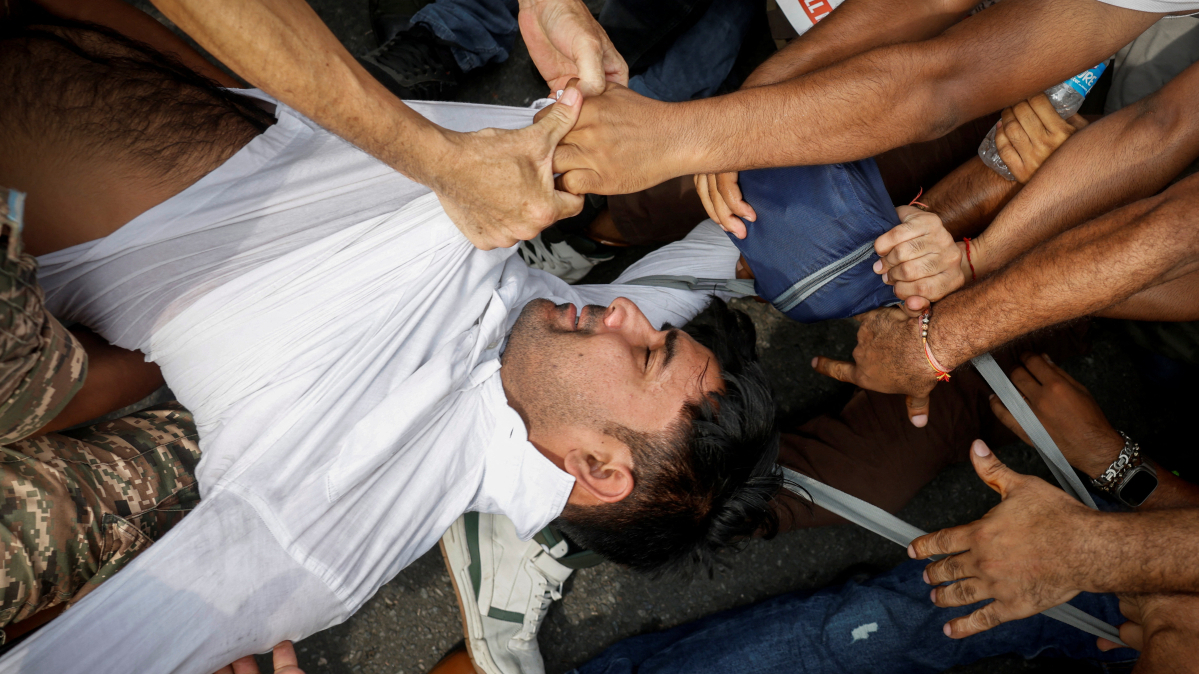
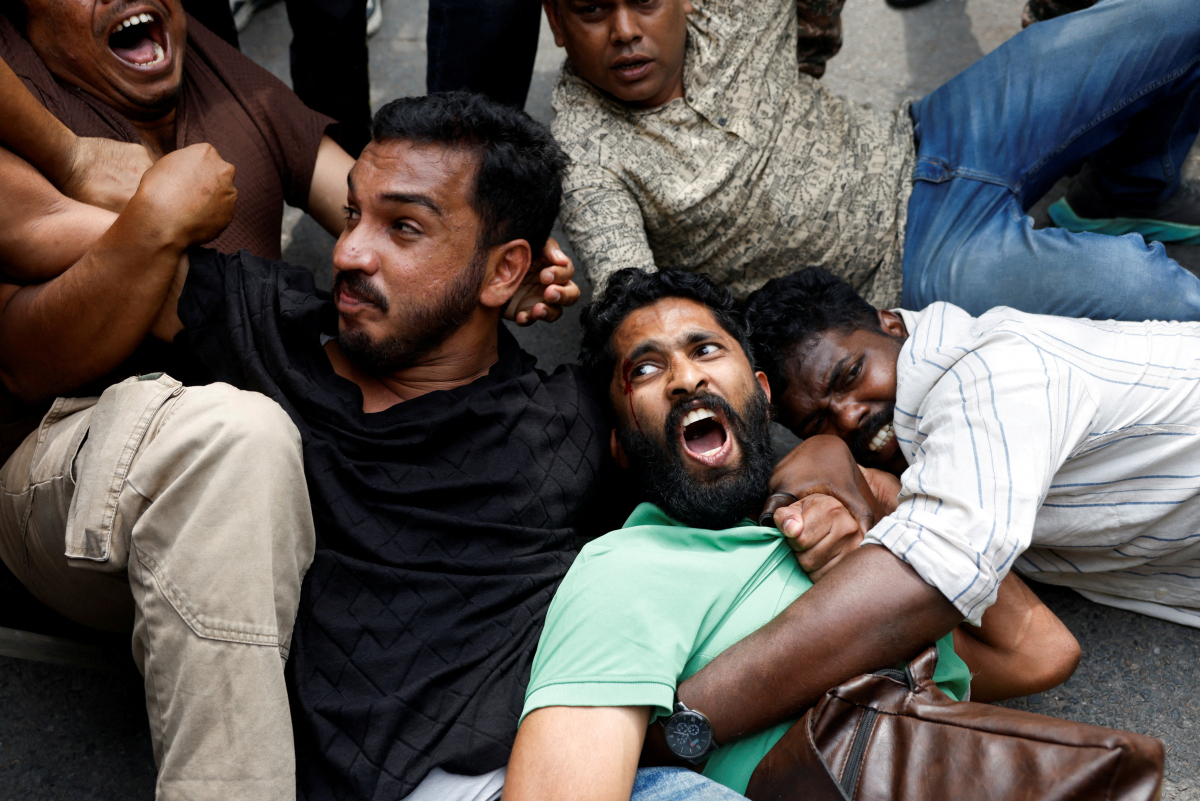
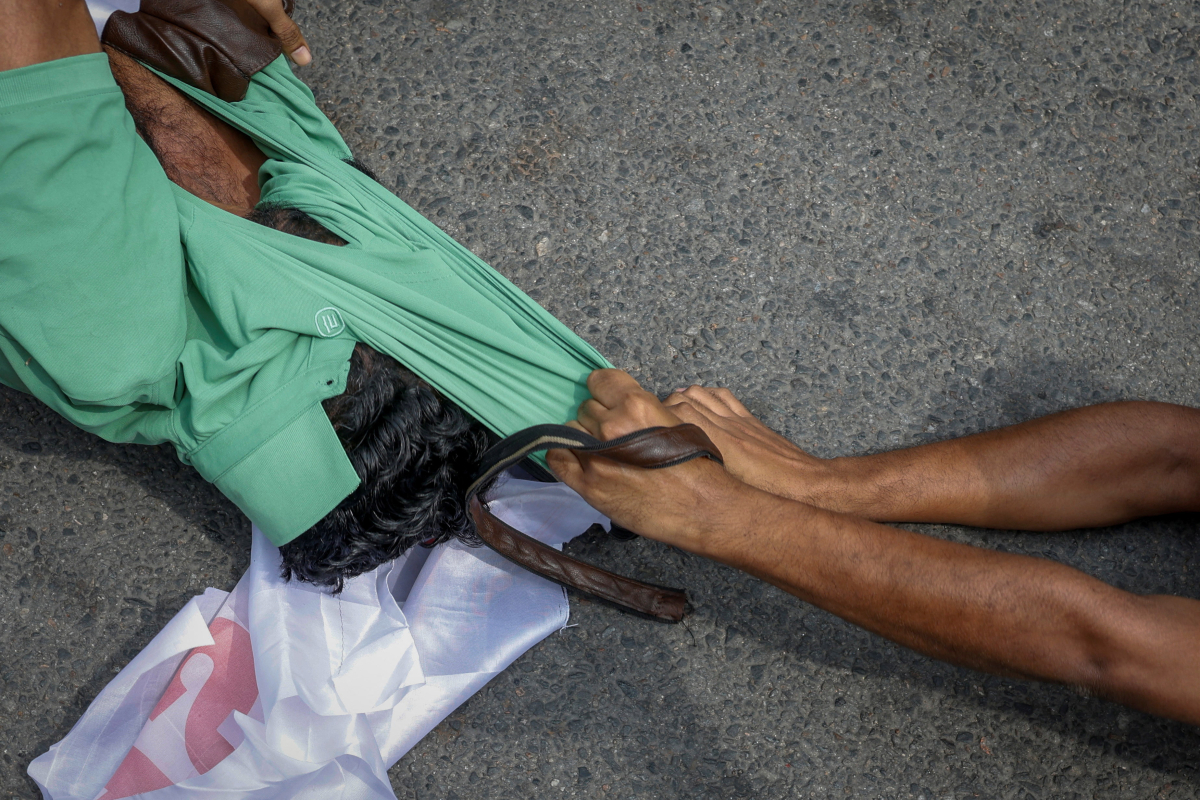
Protests resumed in parts of the city on Sunday, with young demonstrators, including members of student organisations affiliated with communist parties, gathering before police detained them and took them away in vehicles.
The All India Students' Association alleged on X that some detainees had been assaulted inside police vehicles. Reuters could not independently verify the allegations, and Delhi Police did not immediately respond to requests for comment.
Crackdown draws criticism
The number of detainees reached 2,400 on Saturday, according to Delhi Police. Officers also restricted access to parts of central Delhi in an effort to prevent the planned demonstration, according to the reports.
Thousands of police and paramilitary personnel remained deployed across the city on Sunday, although metro stations reopened and mobile internet services resumed.
Most people detained during Saturday's protests were released later that night, police said.
The crackdown drew criticism from opposition parties and government critics, who accused authorities of using excessive force against demonstrators. The UN human rights office also called on Indian authorities to ensure the right to peaceful assembly was respected.
India's foreign ministry rejected the UN's intervention, describing its approach as “selective” and its statement as “an unwarranted interference in the internal affairs of India”.
The demonstrations are among the most prominent recent protests against Prime Minister Narendra Modi's government, which has been in power since 2014.
Protesters are demanding the resignation of Chief Election Commissioner Gyanesh Kumar over revisions to electoral rolls that critics say could disproportionately benefit Modi's ruling Bharatiya Janata Party (BJP).
Dispute over voter lists
The controversy centres on a verification exercise that has resulted in approximately 130 million names being removed from electoral rolls, according to Election Commission data cited by the BJP. The figure includes about 63 million people who had relocated and 30 million who could not be traced.
Opposition parties and other critics allege that the revisions disproportionately affect Muslim voters and other minority groups less likely to support the BJP.
The Election Commission denies favouring any political party, while the BJP has accused its opponents of undermining democracy by questioning legitimate electoral procedures.
The dispute intensified after the Indian Express newspaper reported in late September that two election commissioners had raised concerns internally about voter-list revisions, registration procedures and digital systems. The Commission has said differences of opinion are normal in internal deliberations.
The CJP began as an online satirical project before evolving into a pressure group. It previously organised protests over alleged examination paper leaks that contributed to calls for the resignation of India's education minister.
The group has described its latest campaign against Kumar as “Season 2” and says it will continue until India's electoral system is reformed.
Activists return to the streets
Among the prominent figures involved in the demonstrations is Neha Bora, a 29-year-old doctoral student and national president of the left-wing All India Students' Association.
Bora was detained on Saturday after police prevented demonstrators from reaching Jantar Mantar. She urged protesters to regroup at Dilli Haat, a crafts market around 10 kilometres away, and continued calling for demonstrations while in detention. She was released later that day.
In a video posted online, she said her detention would not stop the movement.
“I am in detention. The movement is not,” she said, urging supporters to continue protesting.
Bora told Reuters that her involvement in activism developed through theatre and student demonstrations, including protests against India's citizenship law in 2019 and 2020. She has also campaigned on issues including unemployment, examination scandals and police actions against protesters.
She said the current mobilisation reflected years of accumulated public frustration and argued that hope was helping people overcome their fears.
“Fear is infectious, of course. But hope is also infectious,” she said.
The protests continued on Sunday despite the detention of demonstrators and the restrictions imposed by authorities.
The CJP has said it will maintain pressure for changes to the electoral system, while the Election Commission and the ruling BJP reject allegations that the voter-list revision process has been manipulated.
Read more:














What is your opinion on this topic?
Leave the first comment