The 25th World Petroleum Council (WPC) Energy Congress opened in Riyadh on Sunday (11 October), running from 11 to 15 October under the theme “Pathways to an Energy Future for All.”
Saudi Arabia is hosting the gathering for the first time. Days of Houthi missile attacks on the city's airport have turned it into a test of whether a major international event can be held in a country under fire.
Meeting built for crowds
The Congress was planned as a showcase. Organisers promised more than 25,000 global energy leaders, policymakers and innovators. A late-September report was more modest, saying more than 70 ministers and some 300 CEOs and senior executives were due to attend.
The event has already moved once. It was first scheduled for 26 to 30 April, but on 17 March the organisers announced it was being rescheduled to later in 2026.
What the venue looks like
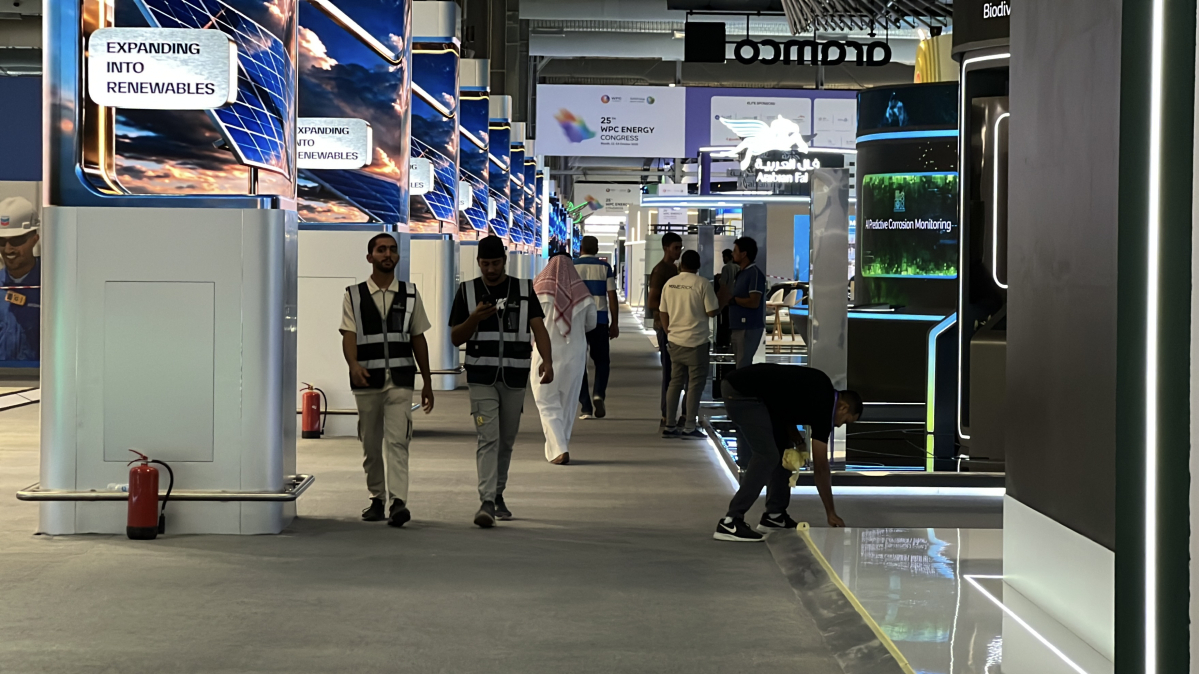
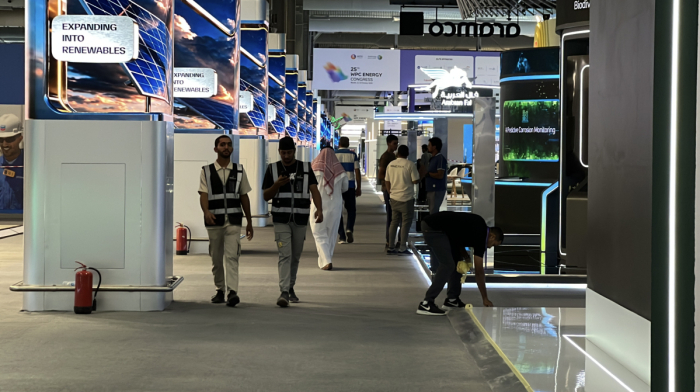
Our correspondent in Riyadh reports that many country pavilions and company stands at the Riyadh Front Exhibition and Conference Center are empty, with almost no visitors on opening day. The programme of more than 30 sessions covers energy security, oil and gas markets, artificial intelligence (AI), financing, critical minerals and carbon management. Organisers hope some events can run on Monday, but nothing has been confirmed.
Airport attacks
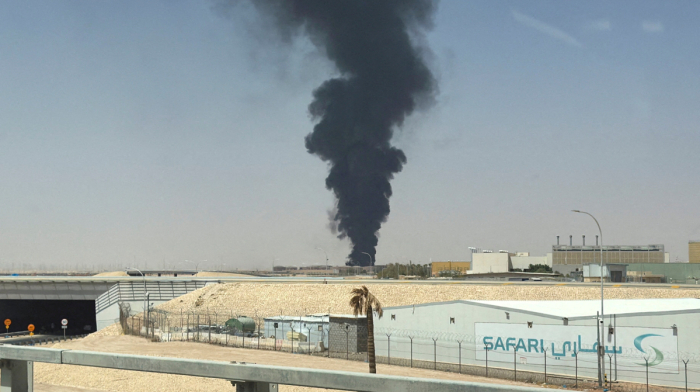
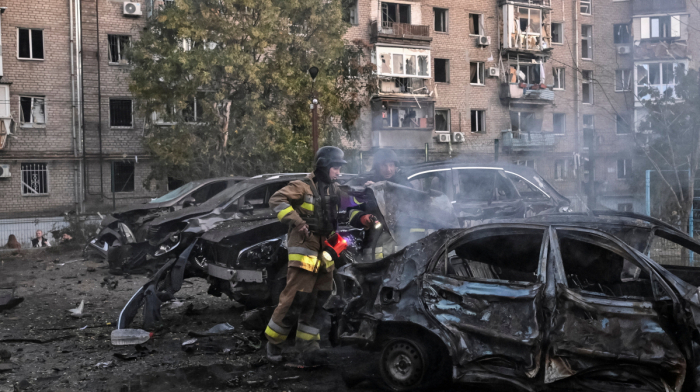
The reason is a rapid escalation around King Khalid International Airport. Saudi authorities said earlier attacks this week killed three people. On Saturday (10 October), a missile struck a complex housing terminals 3 and 4 for domestic flights.
The Saudi civil aviation authority said the dead included four Saudis, two Bangladeshis and one person each from Egypt, Jordan, Syria, Palestine and Sudan. Saudi officials put the toll at at least 12 dead and more than 300 wounded.
The Houthis had not claimed responsibility for Saturday's strike, though they claimed the earlier attacks on the same airport.
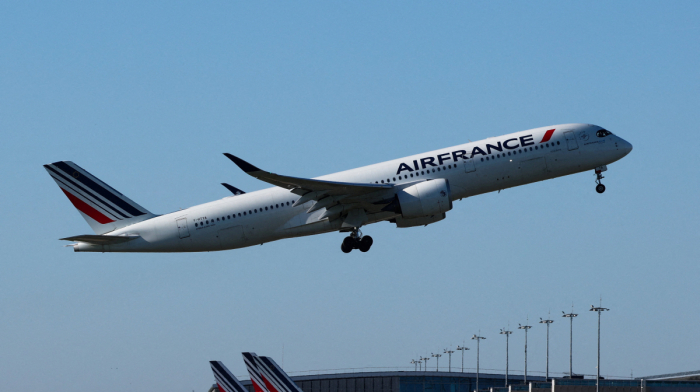
The Houthis have also told airliners to avoid Saudi airspace, declaring it a zone of military operations. The UK, France and Germany have warned their citizens to avoid Riyadh.
Organisers say the show goes on
Before Saturday's attack, the Congress organisers emailed delegates that the event would proceed as planned with foreign leaders and ministers attending. Their message told visitors “Your comfort is our priority” and pointed to alternative routes, including flying to Dammam and driving about four hours to Riyadh.
They also promised security measures covering Riyadh's airports, conference venues and official hotels, with coordinated transport. Even hours after Saturday's strike, the Saudi energy ministry was still promoting the conference.
Some officials have chosen not to travel. Italy's energy minister said he would join the International Energy Forum ministerial meeting, held alongside the Congress, by video link. One analysis in Haaretz said it was unclear how many invitees would actually make it to a conference planned over many months.
Why energy markets are watching
The fighting in Yemen is one front in a wider war. It began with the U.S. and Israeli attack on Iran on 28 February, and the Houthis are firing on Red Sea shipping and the Bab el-Mandeb Strait while Iran partly blocks the Strait of Hormuz, squeezing Gulf oil supplies from both sides. Saudi forces have hit back, striking Houthi missile-launch sites and reporting the interception of numerous ballistic missiles.
That makes the Congress's main subject, the security of global energy supply, an urgent one. The room where it is meant to be discussed is largely empty, and the next few days will show whether the talks can produce anything while the war outside goes on.












What is your opinion on this topic?
Leave the first comment