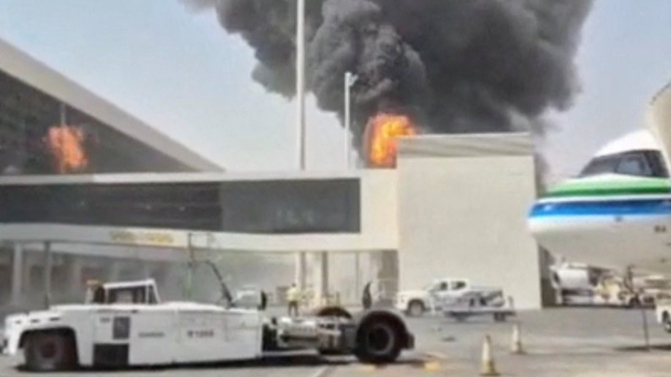
Saudi Arabia's civil aviation authority said on Friday that three Saudi nationals were killed and several people were injured in two attacks on King Khalid International Airport in Riyadh on Thursday (8 October).
In a statement on X, the General Authority of Civil Aviation said the first attack targeted airport facilities, while the second struck an aircraft belonging to Saudi state carrier Saudia.
The injuries ranged from minor to severe, and the attacks caused material damage, it said, adding that airport operations had resumed and air traffic had returned to normal by 6 pm (local time).
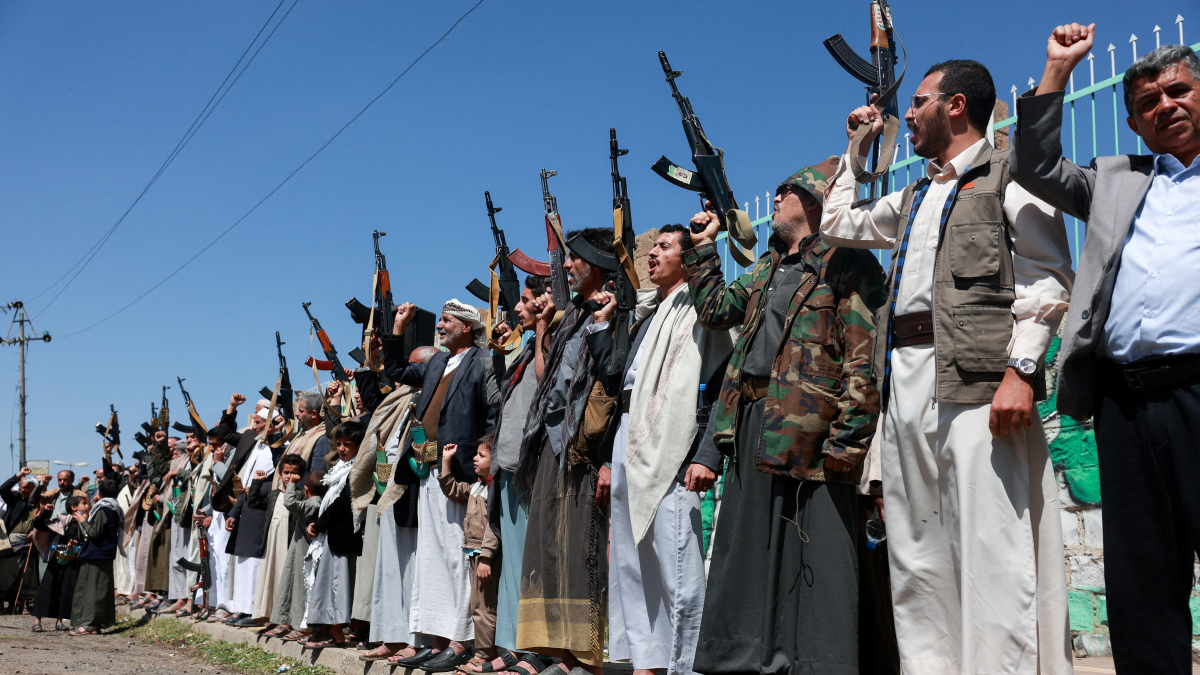
Yemen's Iran-aligned Houthis said on Thursday that they had attacked the airport with two cruise missiles.
The incident follows a series of attacks on airports across the two countries, opening a new front in the conflict and placing civilian aviation under growing pressure.
The group also said it had targeted an airport in the southwestern city of Najran, a claim Saudi authorities have not confirmed, and an airbase in Khamis Mushait with ballistic missiles.
The Houthis say they are targeting the kingdom over its support for government forces in Yemen's reignited civil war. Saudi Arabia says it is backing an offensive by Yemen's United Nations recognised government to take back territory from the Houthis.
Earlier strikes
The latest confirmed casualties come after Saudi authorities said on Wednesday that three people were killed in earlier strikes this week on Riyadh airport and Abha airport in the southwest of the country. Around 36 others were injured. Officials said that one person was killed and eight injured at Riyadh airport, while strikes on facilities at Abha airport left two dead and 28 injured according to authorities.
On Wednesdsay (7 October), Yemen’s Transport Ministry said the Houthis attacked Aden International Airport with two ballistic missiles and explosive-laden drones. One missile landed near the runway shortly before a flight arriving from Cairo was due to land, forcing the aircraft to divert to Jeddah, Saudi Arabia.
Two other aircraft on the runway were moved away from the area amid fears of further attacks.
On Monday (5 October), Saudi aviation authorities also reported attacks on King Abdullah bin Abdulaziz International Airport in Jazan and Najran International Airport, causing material damage and leaving three people with minor injuries.
Houthis threaten Saudi oil facilities
The Houthis have also threatened Saudi oil facilities, warning workers to stay away from sites they consider potential targets.
The Saudi-led military coalition said it had intercepted and destroyed ballistic missiles launched towards Riyadh and Khamis Mushait.
Disruption to international flights
The attacks have disrupted air travel and prompted international airlines, including Lufthansa and Air India, to suspend flights to Riyadh. Although operations at the capital’s airport have since resumed, repeated strikes have raised questions about the safety and reliability of regional air links.
The campaign has also affected Yemen’s main international gateway for areas controlled by the internationally recognised government.
Widening conflict with wider consequences
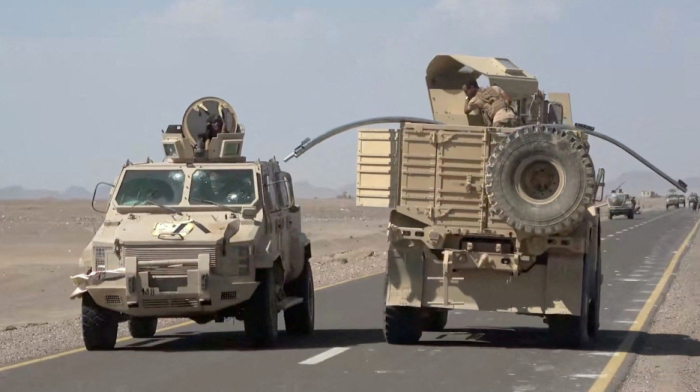
The renewed attacks come as Saudi-backed Yemeni government forces press an offensive to recover territory held by the Houthis, with Riyadh providing military support.
Yemen was engulfed in civil war since the Houthis seized the capital, Sanaa, and other areas in 2014. A Saudi-led coalition intervened the following year in support of the internationally recognised government. Although a truce in 2022 brought a period of relative calm, fighting has intensified again amid the wider regional conflict involving Iran.
The Houthis control much of northern Yemen, while Aden serves as the seat of the internationally recognised government.
Threats to maritime traffic
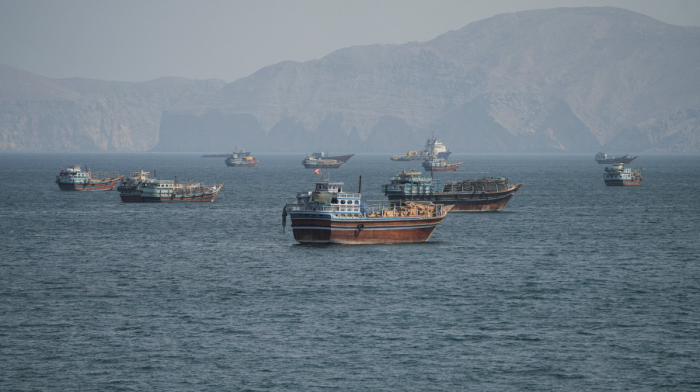
The Houthis seized parts of Yemen’s Red Sea coastline last month, including areas near the strategically important Bab el-Mandeb Strait, a key passage for international shipping. Their advances and threats to maritime traffic have drawn Saudi Arabia deeper into the fighting.
Saudi-backed Yemeni government forces launched a counter-offensive this week, seeking to recover territory from the Houthis. However, the rebels have also made gains, tightening their hold around Taiz, Yemen’s third-largest city.
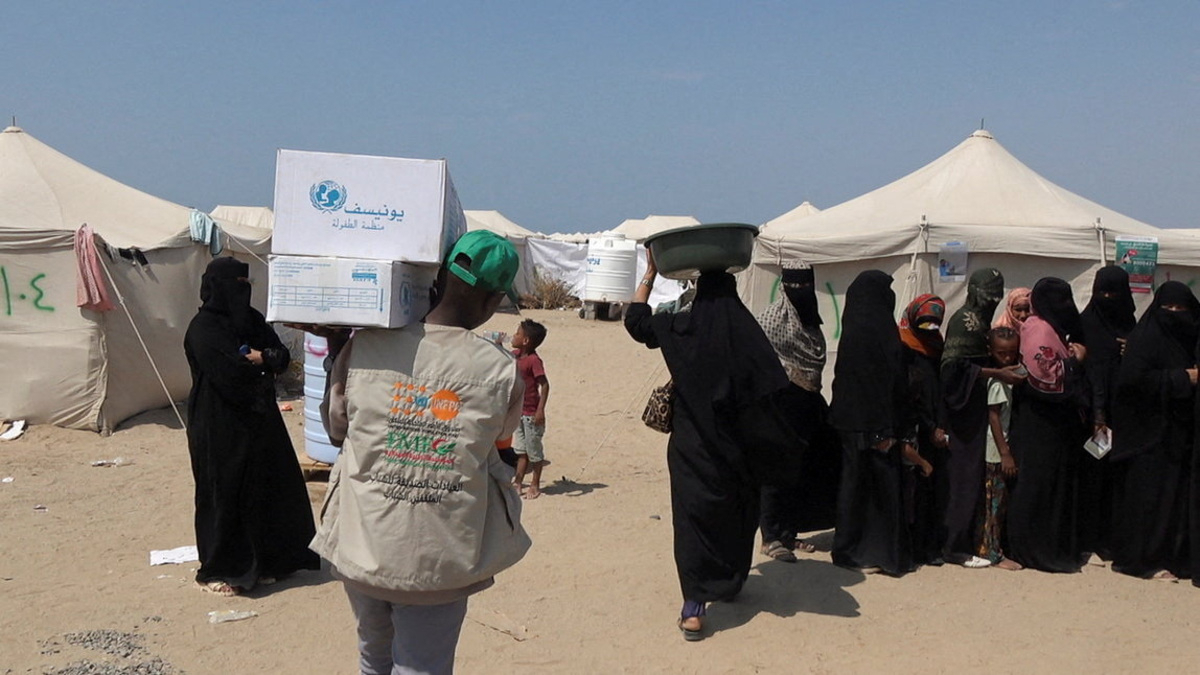
The renewed fighting has displaced an estimated 200,000 people since hostilities resumed, according to United Nations' International Organization for Migration (IOM), deepening a humanitarian crisis in one of the Arab world’s poorest countries.
Saudi Arabia has sought assistance from regional partners as it attempts to contain the attacks. Türkiye has said it will provide mainly defensive and technical support, including intelligence sharing and military equipment.
Syria is also considering possible assistance, although its government has stressed that domestic recovery remains a priority.
Read more about Yemen's Houthis:
















What is your opinion on this topic?
Leave the first comment