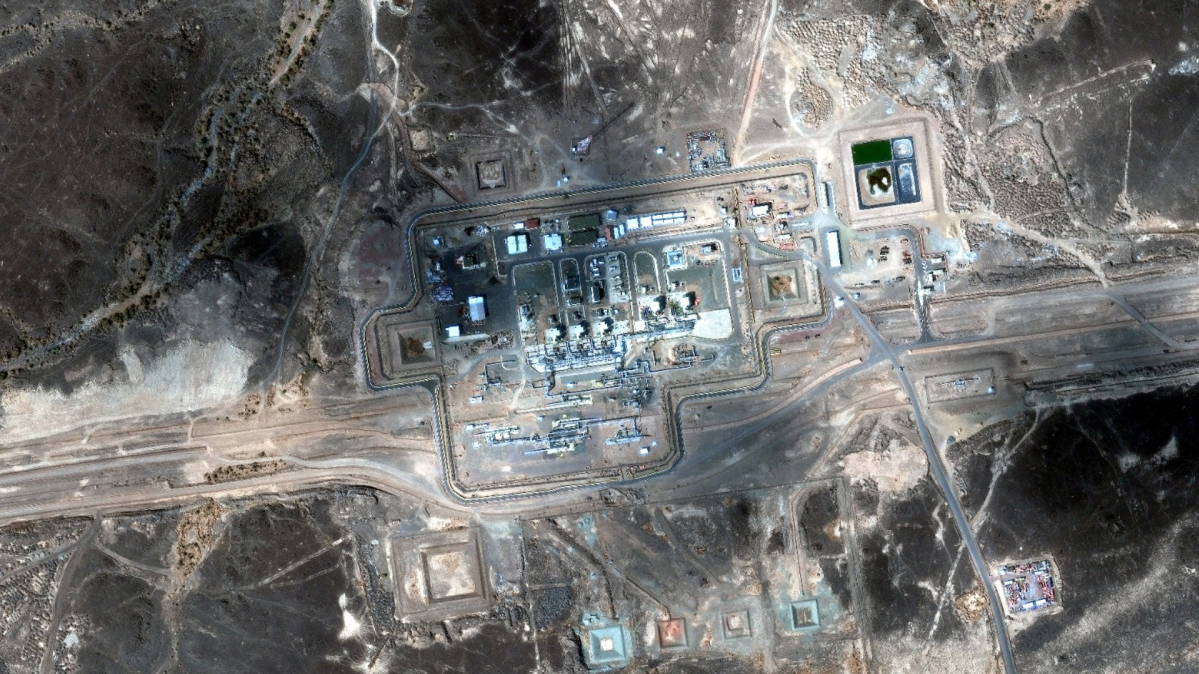
Saudi Arabia’s 1,200‑kilometre East‑West pipeline Petroline has been forced to suspend service after militant attacks damaged three pumping stations in the Riyadh and Madinah regions. The line can move about seven million barrels a day, but the damage could take five to six weeks to repair.
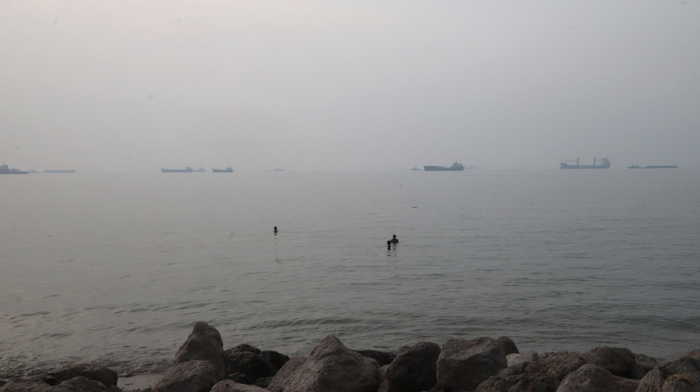
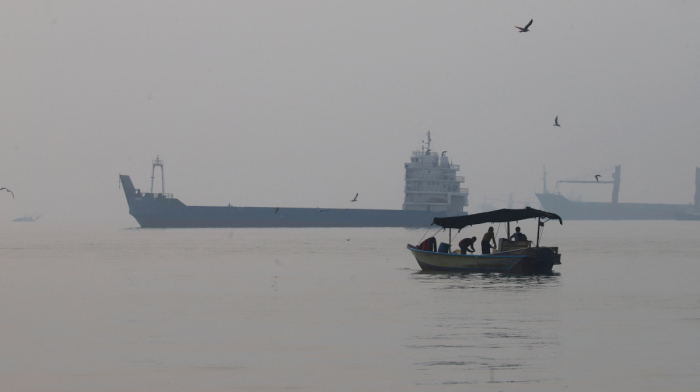
In the interim, the kingdom is using ship‑to‑ship transfers near Oman’s Sohar port and larger tankers that divert crude from Gulf terminals to offshore points. That plan cuts the need for some cargo to pass through the Strait of Hormuz, but the complex logistics still add cost and delay.
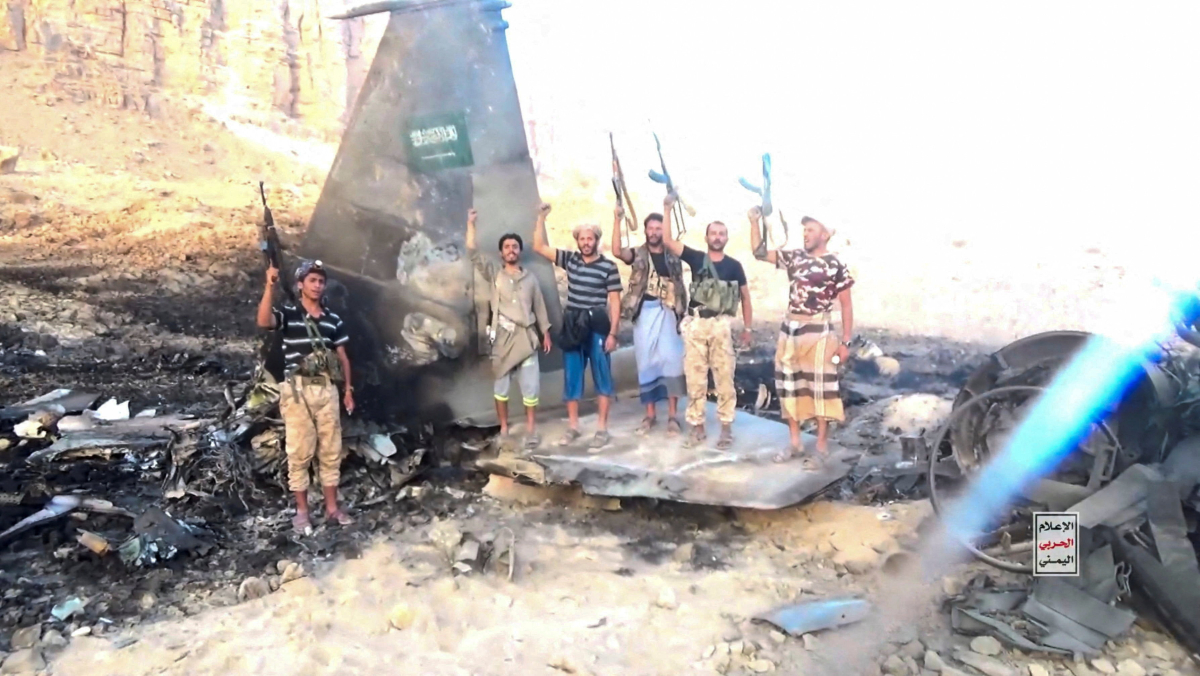
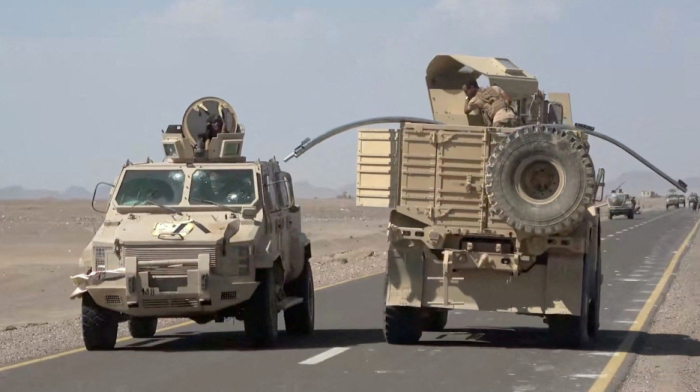
At the same time, the Houthi movement in Yemen has stepped up its campaign against Saudi energy infrastructure and the Red Sea shipping lanes. In a recent statement, the group said it would “exercise freedom of navigation” against U.S.‑flagged vessels that approach the Bab al‑Mandeb Strait.
The warning coincides with Washington’s approval of a potential $24.3 billion sale of 48 F‑35 fighter jets to the kingdom—a move that underscores Riyadh’s intent to harden its air defences against perceived Houthi threats.
The pipeline outage, coupled with Houthi pressure on the Red Sea route, has forced Saudi oil companies to rethink how they move crude to Asian markets. Some shipments are being rerouted through Egypt’s Suez Canal or through Iraqi ports, each option demanding longer transit times, higher insurance and a higher chance of militant disruption.
Globally, oil prices have risen as traders factor in the uncertainty.
Benchmark Brent crude climbed above $90 a barrel, while Platts Dubai also rose, reflecting growing concerns over disruption to Saudi oil exports. The spike reflects the market’s concern that Saudi Arabia, the world’s largest crude exporter, may be unable to keep its output on schedule amid a dual threat from Houthi attacks and a geopolitical standoff with Iran.
Saudi officials say the pipeline strikes were carried out from Iraq by Iranian‑backed militias, separate from the Houthi‑led operation centered on Yemen.
The two incidents, however, both hit the same strategic objective: preventing Saudi crude from reaching international buyers. The kingdom’s immediate priority is to get Petroline running again and to secure reliable maritime routes. Whether short‑term detours can replace the pipeline in the long run remains to be seen.
Read more:


















What is your opinion on this topic?
Leave the first comment