Nobel Peace Prize: How the award works and who could win
The Nobel Peace Prize 2026 will be announced on Friday, 9 October, bringing one of the world's most closely watched awards back into focus....
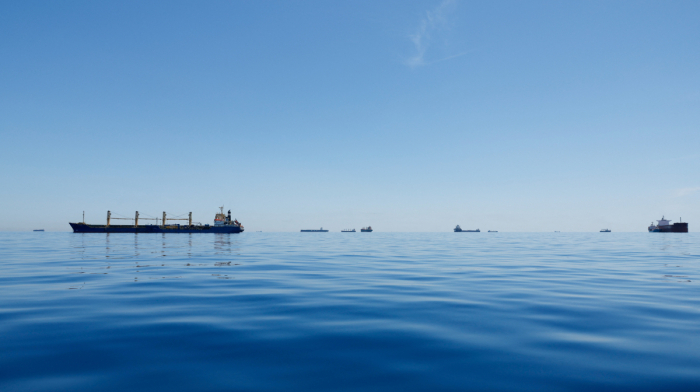
Iran is reviewing a U.S. response to Tehran's proposal to reopen the Strait of Hormuz within seven days, with Foreign Minister Abbas Araghchi saying a reply could come within days.
“The negotiation process is still ongoing, and messages are being exchanged through mediators,” Araghchi said, according to Iran's IRNA news agency.
“We presented our proposal, which was called the ‘seven-day plan,’ and we heard the Americans’ views in response.”
The proposal, delivered through Qatari mediation, links the reopening of the strategic waterway to a series of steps by Washington.
Under the plan, the U.S. would take agreed measures during the first four or five days. Normal shipping could resume on the sixth day, followed by negotiations on a broader agreement on the seventh.
Iran is seeking an end to hostilities, the release of frozen Iranian assets, fewer restrictions on its oil exports and an end to the U.S. naval blockade of Iranian ports.
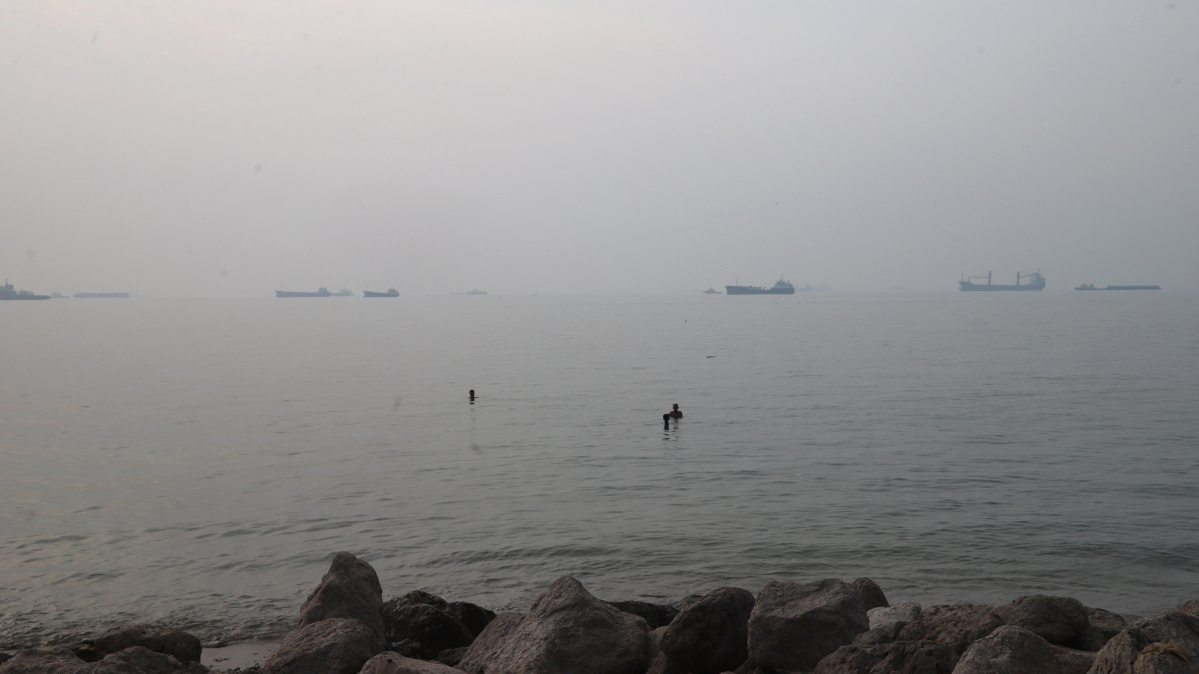
The Strait of Hormuz is a vital global energy route, making its continued restriction a major concern for international shipping and oil markets.
Iran has maintained restrictions on the waterway while arguing that the U.S. must first fulfil commitments under a June memorandum of understanding on freedom of navigation.
The agreement has stalled amid disagreements over security arrangements, leaving the strait at the centre of the wider confrontation between Tehran and Washington.
For now, both sides are still communicating through intermediaries, but Iran's next response could determine whether the latest diplomatic effort gains momentum.
Russia's health watchdog said on Tuesday that no cases of plague had been detected among anyone who had come into contact with a Siberian plague institute laboratory worker who died last week, and locals said their lives had barely been disrupted.
Russia struck Ukraine overnight in one of the biggest attacks of the conflict, killing at least 19 people, Kyiv's Foreign Ministry said on Wednesday. Around 70 missiles were fired at Ukraine during the attack, as well as drones, the Ministry said.
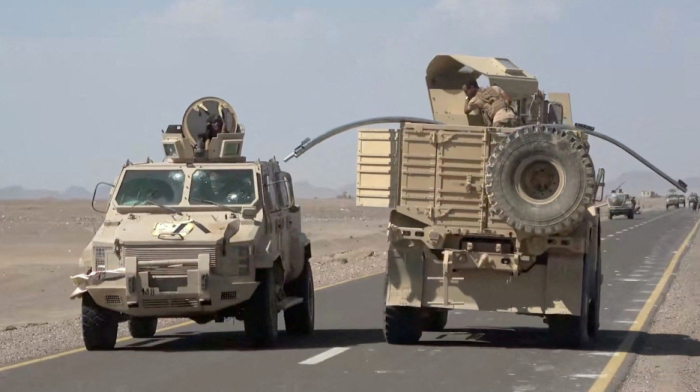
The Saudi-led coalition says it has carried out a series of military operations against Houthi targets in Yemen after attacks on two Saudi airports left three people dead and dozens injured.
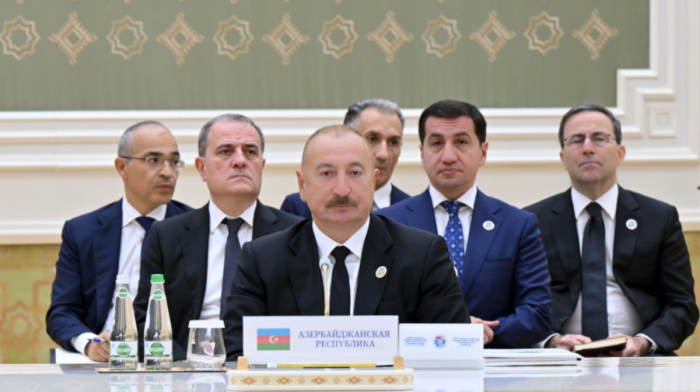
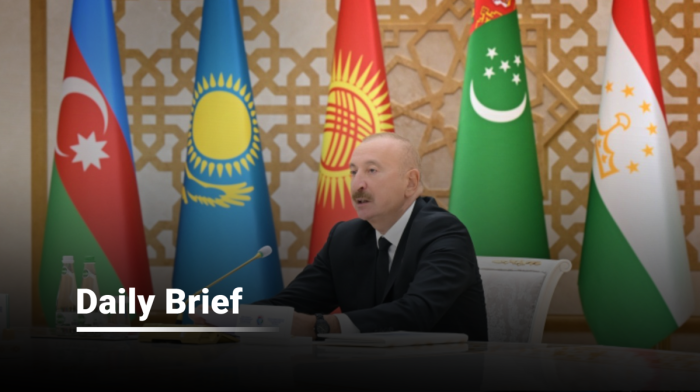
Azerbaijan and the five Central Asian states have signed two key documents at the 8th Consultative Meeting of Heads of State in Turkmenbashi, formalising a broader framework for regional cooperation in transport, trade, energy, digitalisation and security.
An investigation into August Hanning, the former head of Germany’s Federal Intelligence Service (BND), has no connection to Azerbaijan, informed sources have told AnewZ.
Central Asian countries have agreed on water withdrawal limits and reservoir operating plans for the 2026-2027 non-growing season, with inflows into Kazakhstan’s Shardara Reservoir -- a crucial water source for agriculture --expected to reach around 10 billion cubic metres.
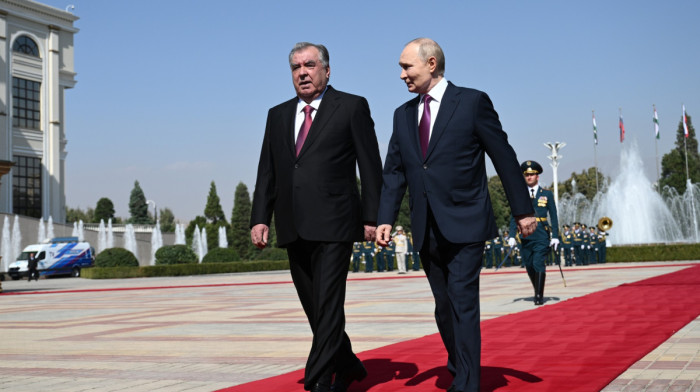
Tajikistan has begun the process of leaving the International Criminal Court, citing what it calls growing politicisation and bias in the court’s work.
Here's your AnewZ Daily Brief for 8 October 2026. These are the top five stories from the region.
Georgia has detained a man who planned to sell uranium-238 to a foreign national for $700,000, the national security service said on Wednesday.
Azerbaijan and the five Central Asian states have signed two key documents at the 8th Consultative Meeting of Heads of State in Turkmenbashi, formalising a broader framework for regional cooperation in transport, trade, energy, digitalisation and security.
You can download the AnewZ application from Play Store and the App Store.
What is your opinion on this topic?
Leave the first comment