Azerbaijan and the five Central Asian states have signed two key documents at the 8th Consultative Meeting of Heads of State in Turkmenbashi, formalising a broader framework for regional cooperation in transport, trade, energy, digitalisation and security.
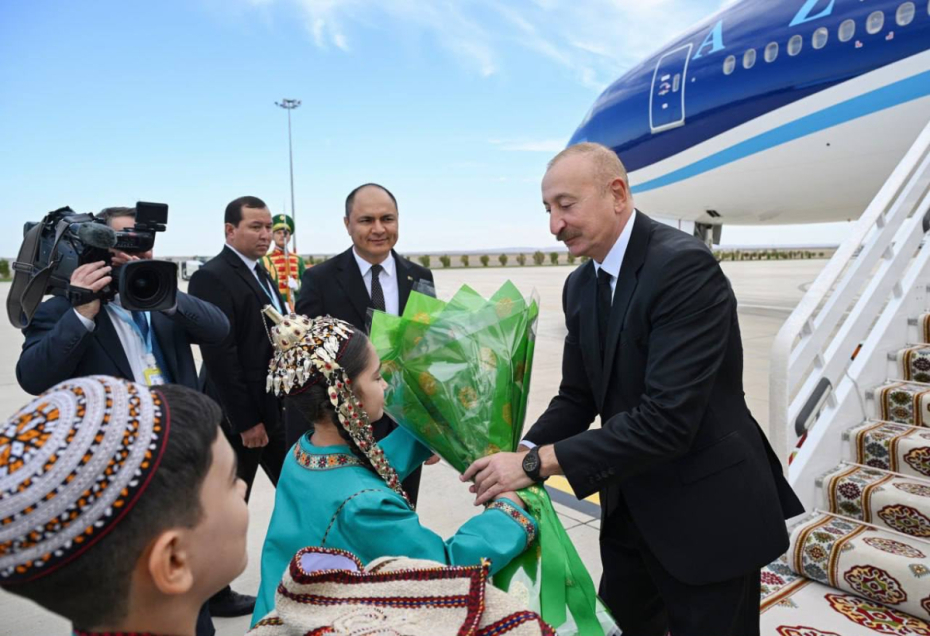
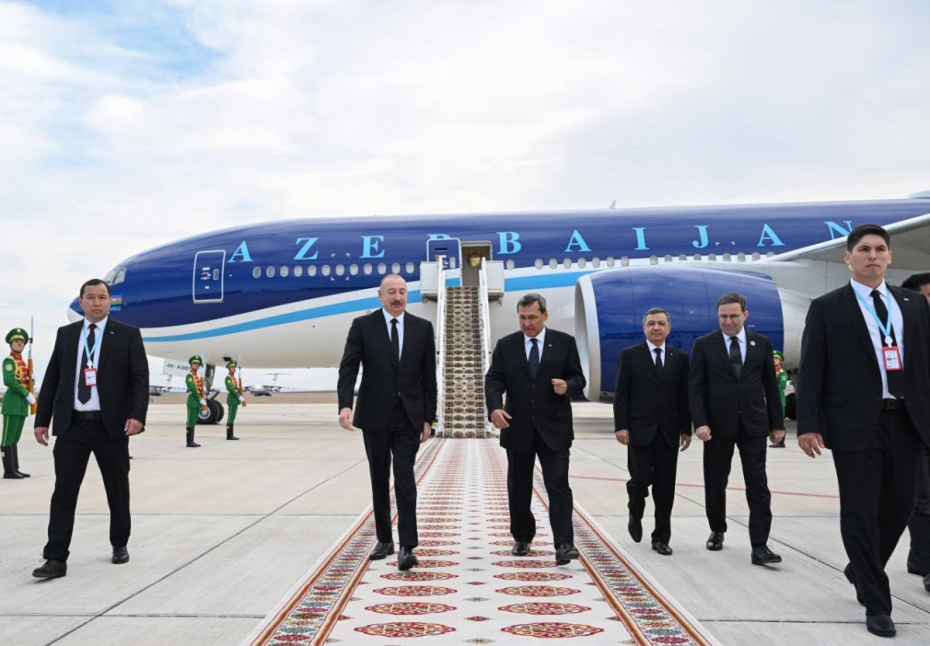
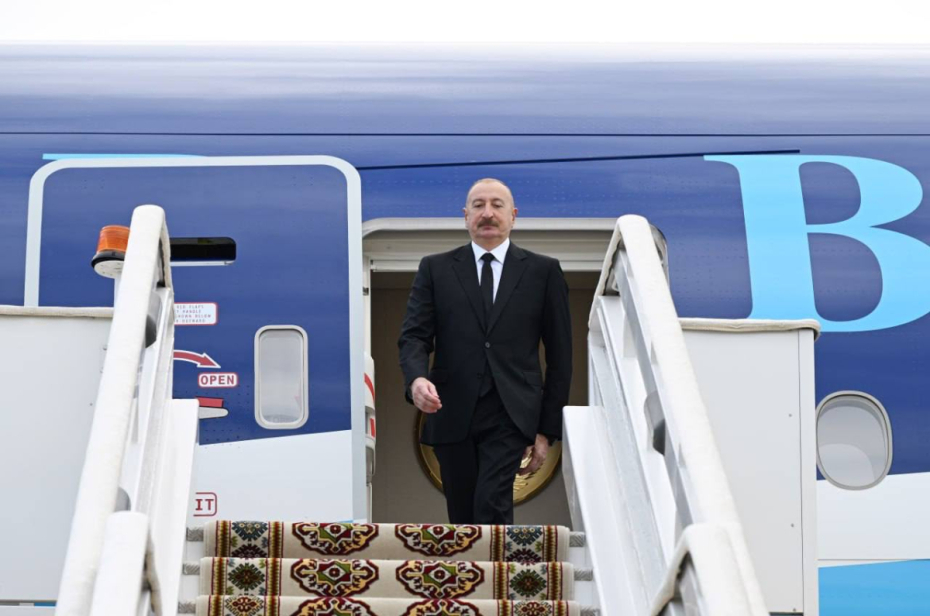
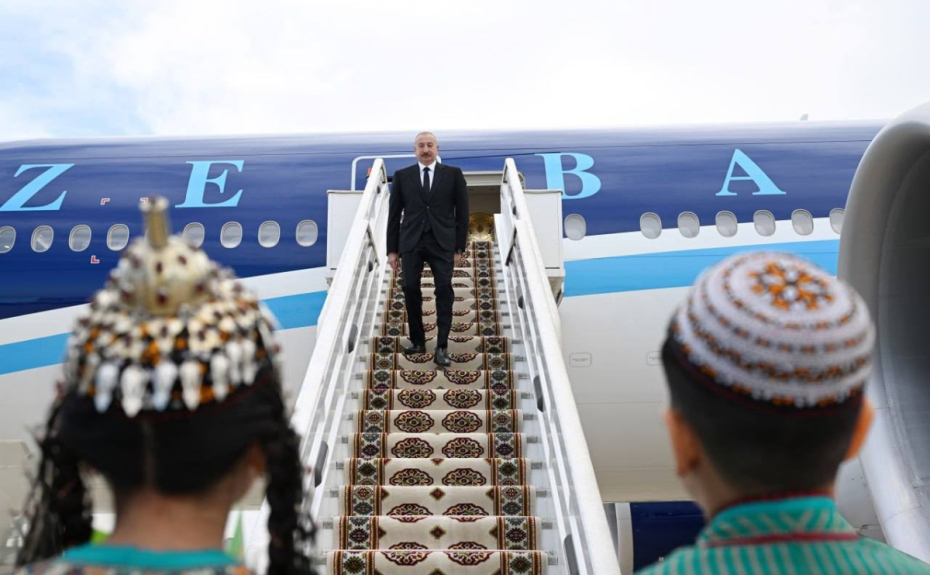
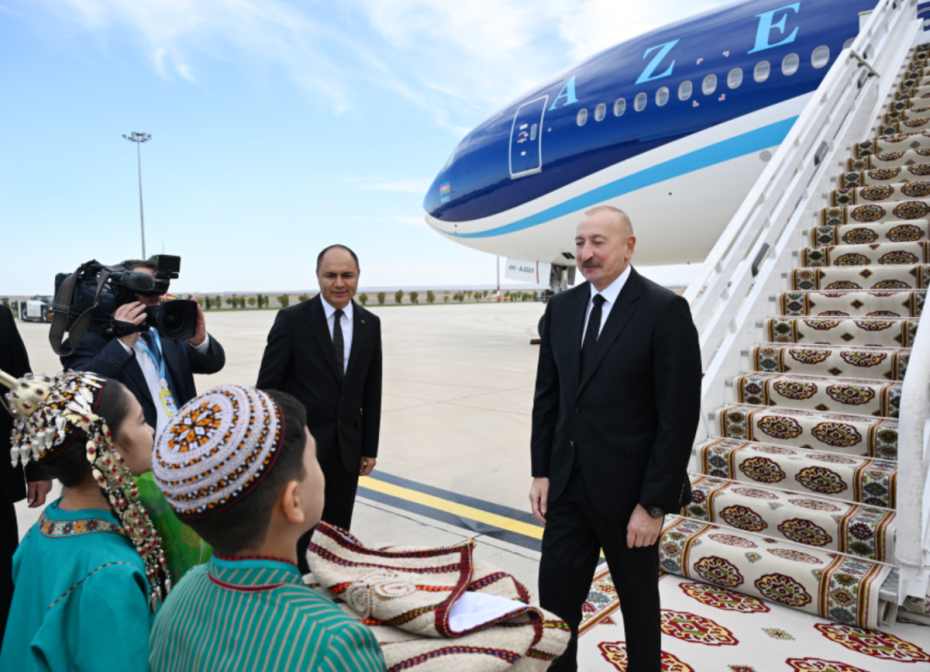
Azerbaijani President Ilham Aliyev was received by a guard of honour at the International Airport in the western port city of Turkmenbashi.
Turkmenistan's Minister of Foreign Affairs, Rashid Meredov, welcomed Aliyev, alongside other officials.
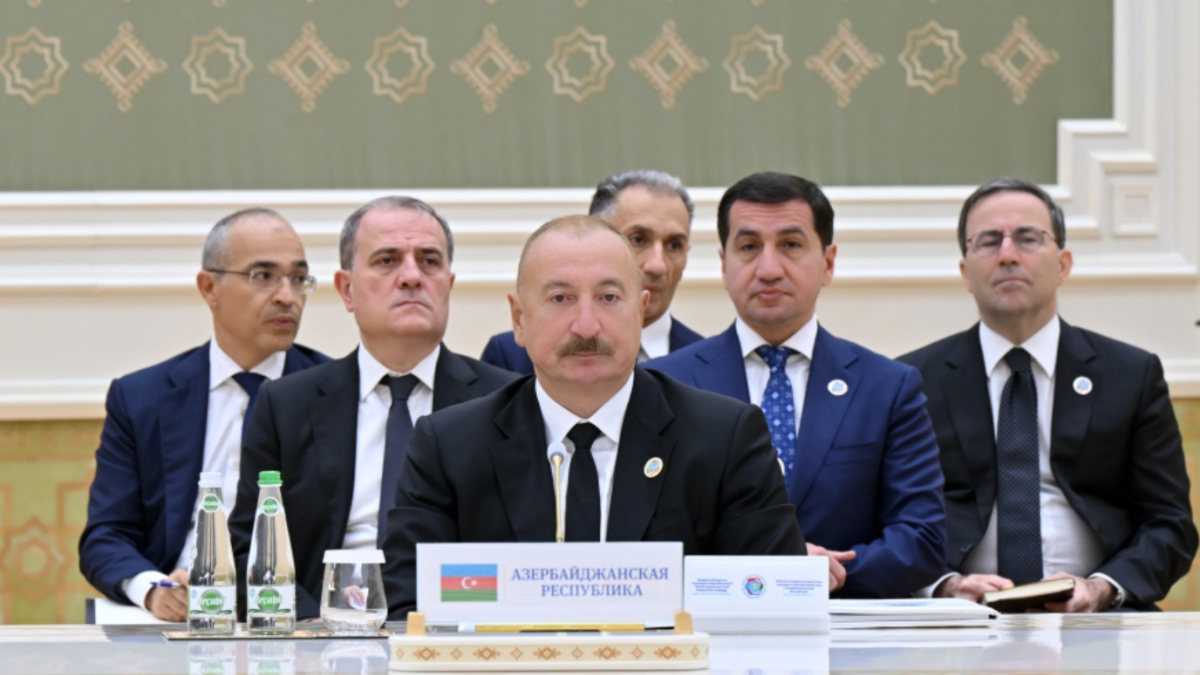
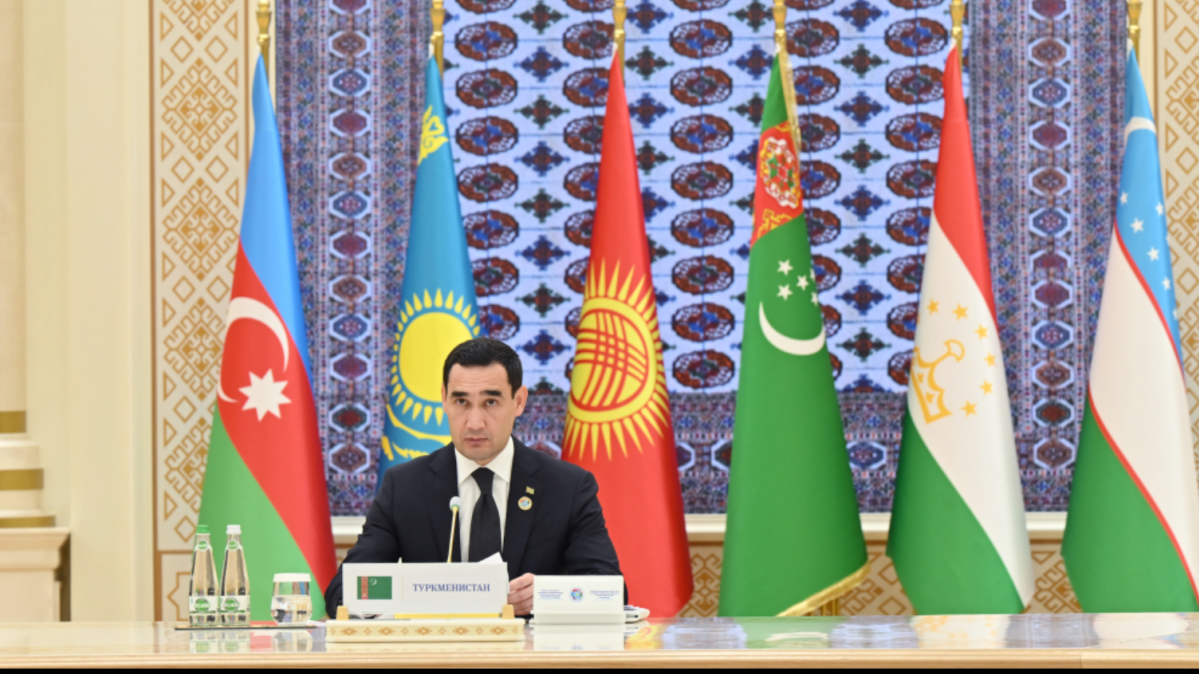
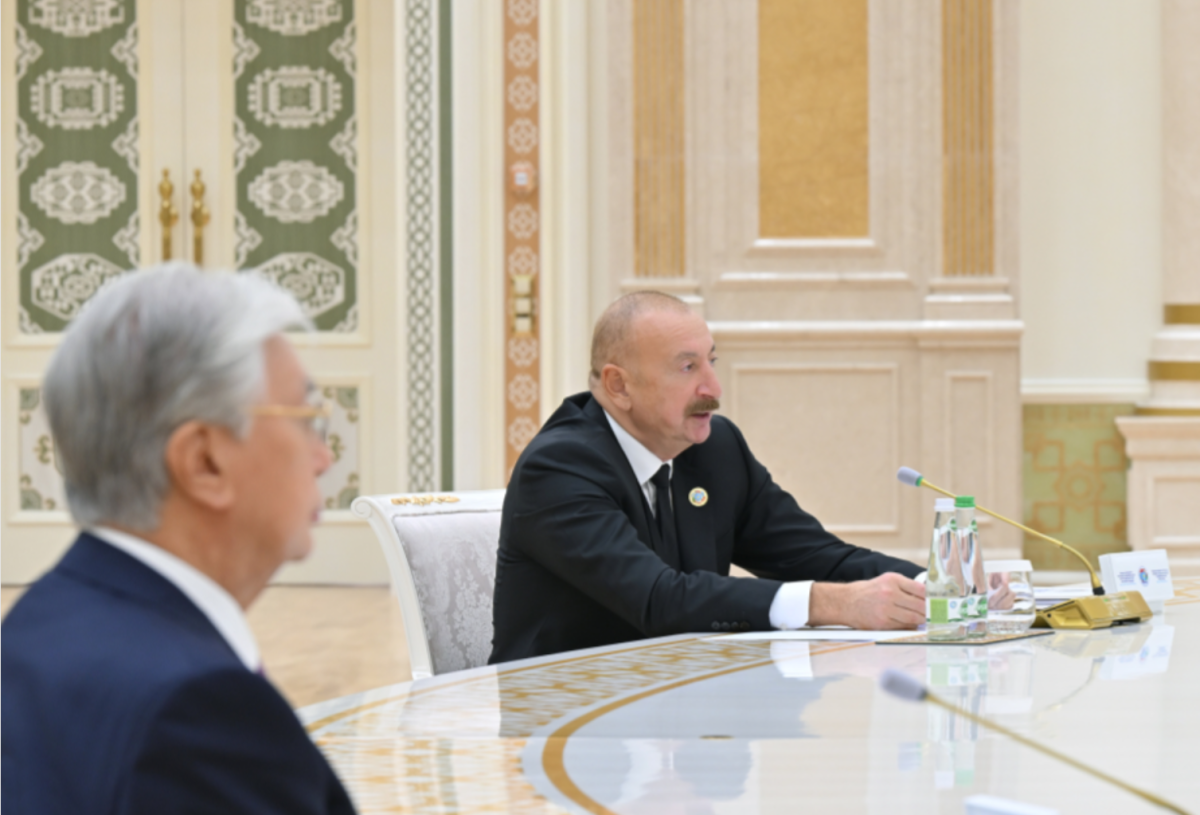
Upon arriving, Aliyev attended the 8th Consultative Meeting of the Heads of State of Central Asia and Azerbaijan in the city of Turkmenbashi.
Speaking at the meeting, he emphasised the importance of transport to links between Azerbaijan and Central Asia.
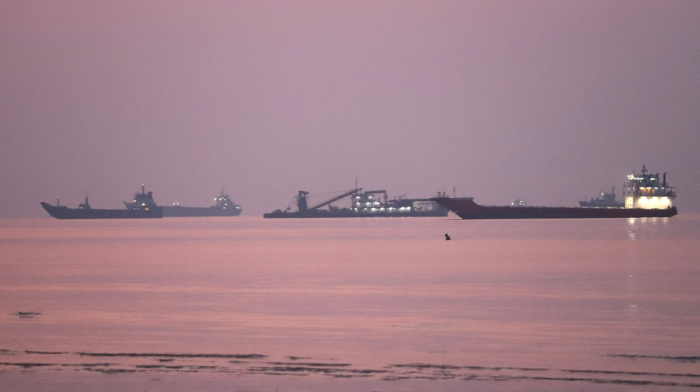
“The Caspian Sea plays an increasingly vital role today in the transport interaction of our countries. The transport infrastructure on both shores of the Caspian is of key importance for connecting Central Asia with Azerbaijan, and further onward to international markets,” Aliyev said.
He noted that cargo transit across the Caspian Sea has grown significantly, while Azerbaijan’s trade turnover with Central Asian countries increased by more than 50 percent last year. More than 400 companies with capital from Central Asian countries are currently operating in Azerbaijan.
Logistics and transport take centre stage
Participating countries put an emphasis on the development of the transport and logistics potential of the Trans-Caspian Middle Corridor and the 'Digital Silk Way' project, the Turkmenistan News Portal said.
“The role of Central Asia and Azerbaijan as key logistics and energy hubs is steadily growing, which opens up promising prospects for cooperation with partners in Asia and Europe,” President of Turkmenistan said at the opening ceremony.
The Middle Corridor facilitates the transport of goods from China to Türkiye, via Central Asia, the Caspian Sea and the Caucasus.
Participating countries also emphasised the importance of the expansion of energy supplies, the Turkmenistan News Portal reported.
Kazakhstan President Kassym-Jomart Tokayev proposed discussing the possible integration of the TRIPP transport initiative into the Middle Corridor. He said such integration could expand the potential of the Trans-Caspian International Transport Route.
Tokayev also cited World Bank estimates that, if planned infrastructure objectives are implemented, cargo flows through the Caspian could increase fourfold by 2040.
Green energy corridor for Azerbaijan, Kazakhstan and Uzbekistan
Cooperation in renewable energy between Baku, Astana and Tashkent continues to step up, Aliyev said.
The Azerbaijan-Kazakhstan-Uzbekistan project aims to establish an energy corridor for exporting green electricity generated in Central Asia to Europe via Azerbaijan.
The participating countries also expressed interest in strengthening energy cooperation, exchanging experience and developing new energy corridor projects.
Joint Statement sets out broader cooperation
The signed Joint Statement outlines a wide range of priorities for cooperation between Azerbaijan and the Central Asian states.
The leaders agreed to expand trade and investment, support joint ventures and business contacts, organise business forums and exhibitions, support small and medium-sized enterprises and promote regional e-commerce.
They also agreed to strengthen digital transformation, innovation, artificial intelligence and advanced technologies, while highlighting the role of the International Telecommunication Union’s Regional Acceleration Centre in Azerbaijan in supporting startups and digital development.
The document also calls for stronger cooperation against terrorism, extremism, radicalism, illegal migration, organised crime, cybercrime, human trafficking and illicit trafficking in drugs and weapons.
The leaders further agreed to cooperate more closely on climate change, environmental protection, sustainable use of natural resources and biodiversity.
Healthcare cooperation will include pharmaceuticals, medical personnel training, digital healthcare and telemedicine.
The Joint Statement also highlights humanitarian and cultural ties, including the preservation of shared historical and cultural heritage, cooperation in art and literature, and stronger links among young people in sports and other social fields.
The countries also agreed to promote tourism products, develop tourism zones, and raise awareness of the tourism potential of Azerbaijan and Central Asia.
Read more:











What is your opinion on this topic?
Leave the first comment