The Nobel Peace Prize 2026 will be announced on Friday, 9 October, bringing one of the world's most closely watched awards back into focus.
Every year, thousands of people and organisations can be put forward for the prize, but the process behind the scenes is far less public.
The names of nominees are kept secret for decades, while a small Norwegian committee ultimately decides who receives the award.
Here is how the Nobel Peace Prize works, from nominations to the final decision.
Who has been nominated?
A total of 287 candidates have been nominated this year, including 208 individuals and 79 organisations.
But we do not know who they are.
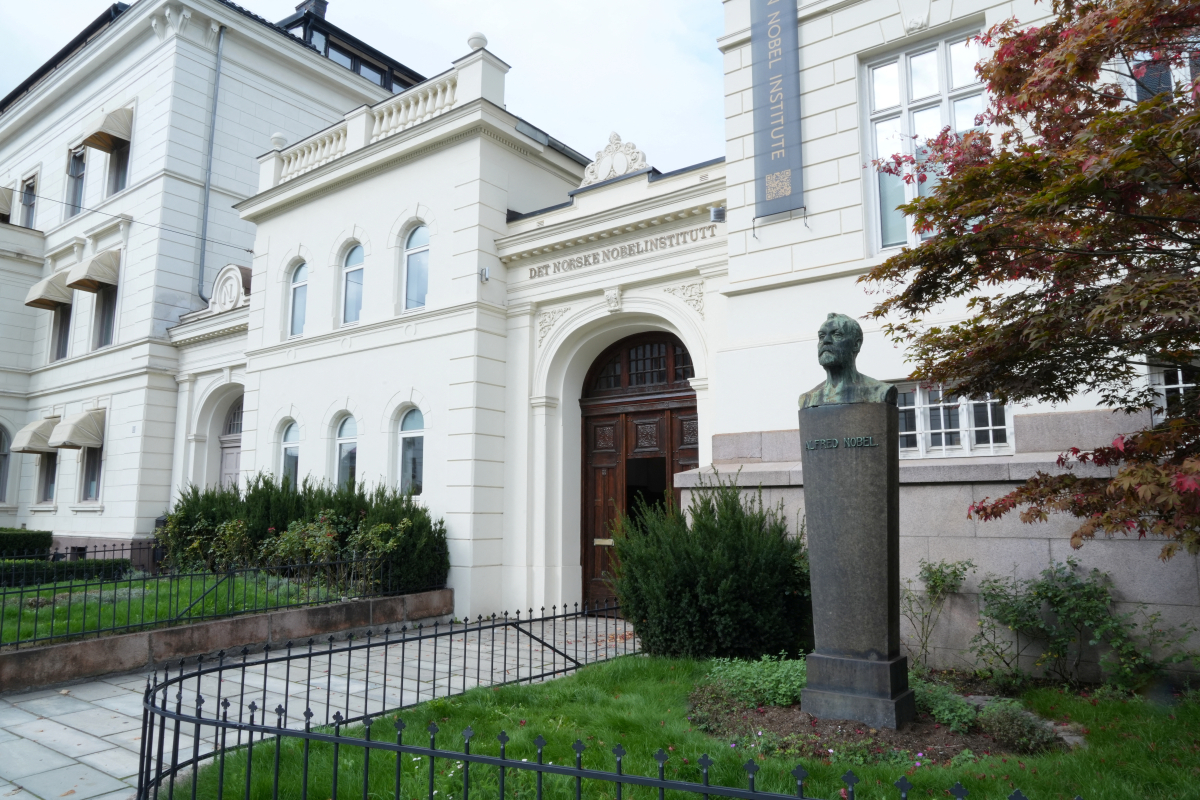
The official list of nominees is kept secret for 50 years and stored in a vault in the basement of the Norwegian Nobel Institute in Oslo.
There is, however, a way for some names to become public. Thousands of people around the world are eligible to nominate candidates, and they can choose to disclose their nominations themselves.
That means names circulating publicly before the announcement are not necessarily confirmed nominees.
Could Donald Trump win?
U.S. President Donald Trump has said he deserves the Peace Prize because he settled eight wars. He has been publicly backed for the prize by the leaders of Cambodia, Israel and Pakistan, who have said they nominated him.
However, there is no independent way of verifying those claims while the official nomination records remain confidential.
Even if Trump has been nominated, however, experts believe his chances of winning are very low.
Who are the favourites?
As always, there is plenty of speculation ahead of the announcement.
Among the names and organisations being discussed this year are Pope Leo, the International Criminal Court, the International Court of Justice and Francesca Albanese, the UN special rapporteur on the Palestinian Territories.
Other potential contenders include Sudan's Emergency Response Rooms, a network of community groups providing vital assistance during the country's civil war.
Save the Children is also being mentioned for its work helping children affected by conflict.
One more unusual possibility is the International Space Station. It has been cited as an example of countries working together despite political differences, with the U.S., Russia and European countries all involved in the project.
Who chooses the winner?
The decision rests with the Norwegian Nobel Committee, a five-member body appointed by Norway's parliament.
The members are often retired politicians, although the committee also includes people from other backgrounds. Its current chair heads the Norwegian branch of PEN International, an organisation that campaigns for freedom of expression, while another member is an academic.
The composition of the committee reflects the political balance in Norway's parliament, with Norwegian political parties putting forward candidates for the positions.
What makes someone eligible for the prize?
The answer goes back more than a century, to the will of Alfred Nobel, the Swedish industrialist who established the Nobel Prizes. He said the Peace Prize should go to the person “who has done the most or best to advance fellowship among nations, the abolition or reduction of standing armies, and the establishment and promotion of peace congresses”.
But interpreting those words in the modern world is not always straightforward.
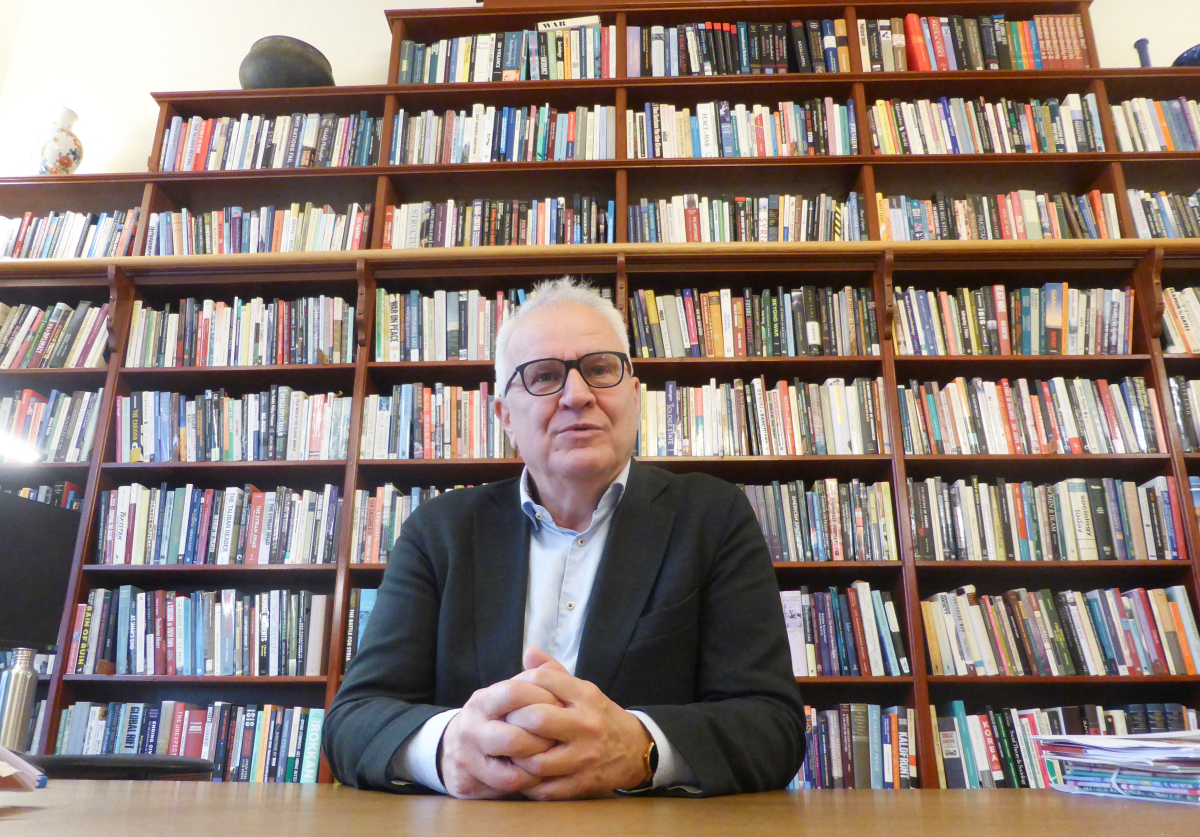
Kristian Berg Harpviken, the committee's secretary, has said the prize “needs to be placed in the current context”.
Harpviken helps prepare the committee's work and takes part in its discussions, although he does not have a vote.
“They will look at the world, see what is happening, what are the global trends, what are the main concerns, what are the most promising processes that we see,” he told Reuters last year.
“And processes here can mean anything from a specific peace process to a new type of international agreement that is under development or that has recently been adopted.”
In other words, the committee does not simply look for an individual who has promoted peace in the traditional sense. It also considers major developments, international agreements and efforts that could have a wider impact on peace and cooperation.
Who can nominate someone?
The nomination process is much broader than many people might expect.
Those eligible to put forward candidates include members of governments and parliaments, serving heads of state, university rectors and professors of history, social sciences, law and philosophy.
Former Nobel Peace Prize winners can also nominate candidates, among others.
The deadline for nominations was 31 January. Members of the Norwegian Nobel Committee can also put forward names, but they must do so no later than the committee's first meeting in February.
How does the committee choose the winner?
Once nominations are in, the committee begins the long process of narrowing them down.
It first reviews the nominations and creates a shortlist. Candidates are then examined by a group of permanent advisers and other experts, who assess their work and contributions.
The committee normally meets about once a month to discuss the candidates.
The final decision is usually made in August or September, according to Harpviken.
The committee generally tries to reach a decision by consensus. If its members cannot agree, the winner is decided by a majority vote.
The process can be contentious. The last time a committee member resigned in protest was in 1994, after Palestinian leader Yasser Arafat shared the prize with Israeli politicians Shimon Peres and Yitzhak Rabin.
What does the winner receive?
Winning the Nobel Peace Prize comes with more than international recognition.
The laureate receives a gold medal, a diploma and a cash award of 12 million Swedish crowns, around $1.2 million.
But perhaps the biggest prize is the global attention that comes with the Nobel name.
When will the winner be announced?
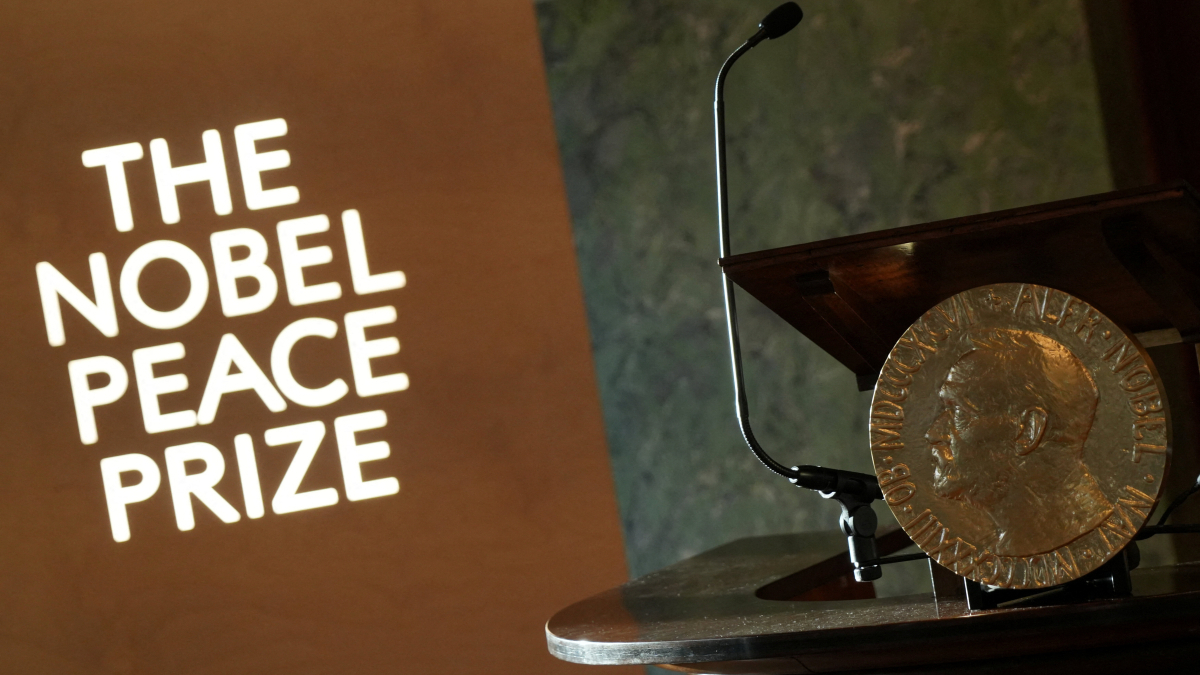
The Nobel Peace Prize will be announced on 9 October at the Norwegian Nobel Institute in Oslo. The announcement will be made by the chair of the Norwegian Nobel Committee.
The award ceremony will follow on 10 December at Oslo City Hall, the date marking the anniversary of Alfred Nobel's death.
Until then, the official list remains locked away — and the identity of the next Nobel Peace Prize laureate remains one of the world's most closely guarded secrets.
Read more:













What is your opinion on this topic?
Leave the first comment