Kyrgyzstan doubled its petrol and diesel production in the first nine months of 2026, as disruptions at Russian oil refineries strained fuel supplies across Central Asia, highlighting the region’s reliance on Russian energy.
According to official statistics, Kyrgyzstan produced more than 200,000 tonnes each of petrol and diesel between January and September, twice the volumes recorded a year earlier.
The surge comes as repeated drone attacks on Russian oil refineries have disrupted production, triggered domestic fuel shortages and prompted Moscow to restrict exports and seek additional supplies from foreign partners.
The impact has spread beyond Russia, particularly to neighbouring countries heavily dependent on its petroleum products.
Rising costs put pressure on Kyrgyzstan
Kyrgyzstan imports more than 90 per cent of its petrol from Russia, leaving it particularly exposed to supply disruptions.
Rising fuel costs have prompted government intervention, with Bishkek earmarking approximately $130 million to subsidise fuel importers. More than $30 million has already been disbursed.
The authorities say existing stocks of petrol, diesel and liquefied petroleum gas should be sufficient to meet domestic demand until the end of 2026.
Despite rising domestic output, the scale of state support underscores the pressure on Kyrgyzstan’s fuel market.
Refinery upgrades aim to boost domestic supplies
Expanding local refining capacity has become a key part of Kyrgyzstan’s response.
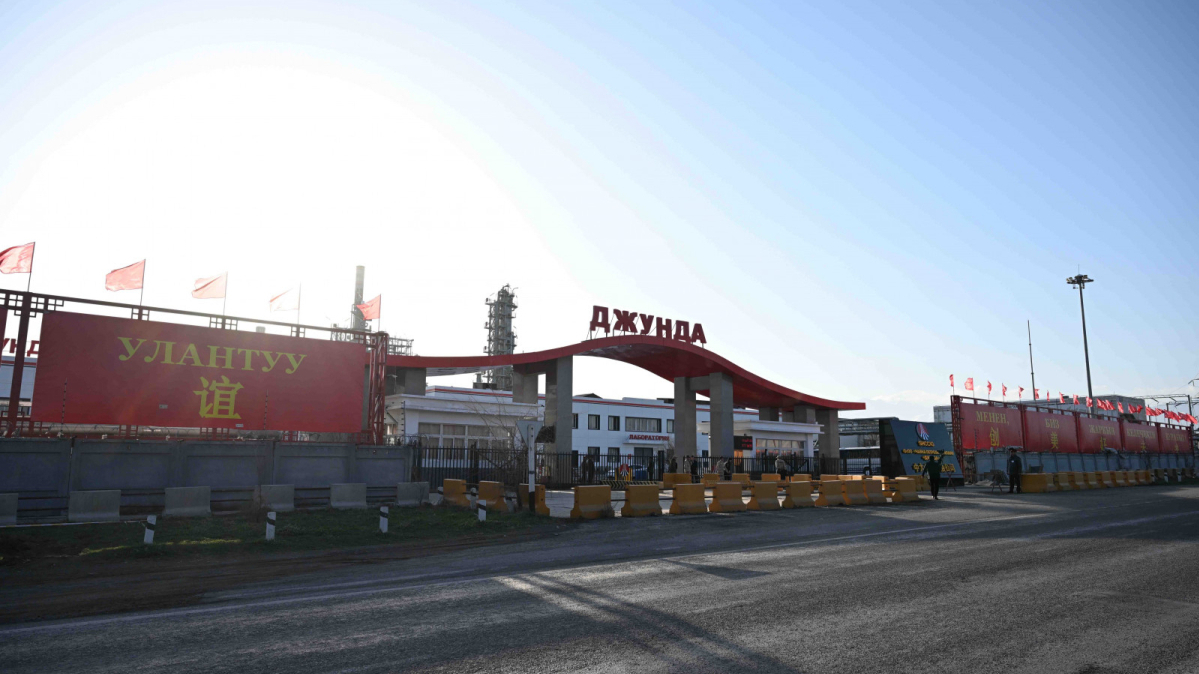
The country operates seven small oil refineries, including Junda, owned by China’s Shanxi Coal Chemical Industry Group, and Kyrgyz Petroleum Company, part of Kyrgyzneftegaz.
The modernisation of the Junda refinery could provide a major boost to domestic supplies, with the upgraded facility potentially capable of meeting more than 40 per cent of national demand once it reaches its planned capacity.
The plant is also moving towards producing higher-quality K5-standard fuel, although its full contribution will depend on modernisation being completed and operations remaining stable.
Russian crude imports support local production
Expanding refining capacity presents another challenge: securing enough raw materials to keep the plants running.
Kyrgyzstan has increased purchases of Russian gas condensate, with imports rising by 50 per cent between August and September.
It has also begun receiving Russian crude oil through Kazakhstan, creating another supply route to support domestic refining.
The developments signal a gradual shift in Kyrgyzstan’s fuel supply strategy, towards processing more imported raw materials locally rather than depending so heavily on finished petroleum products from abroad.
While the shift could reduce the country's exposure to disruptions at foreign refineries, it will not end its reliance on imported energy. Russia remains a crucial supplier of both finished fuel and the raw materials needed to produce it domestically.


















What is your opinion on this topic?
Leave the first comment