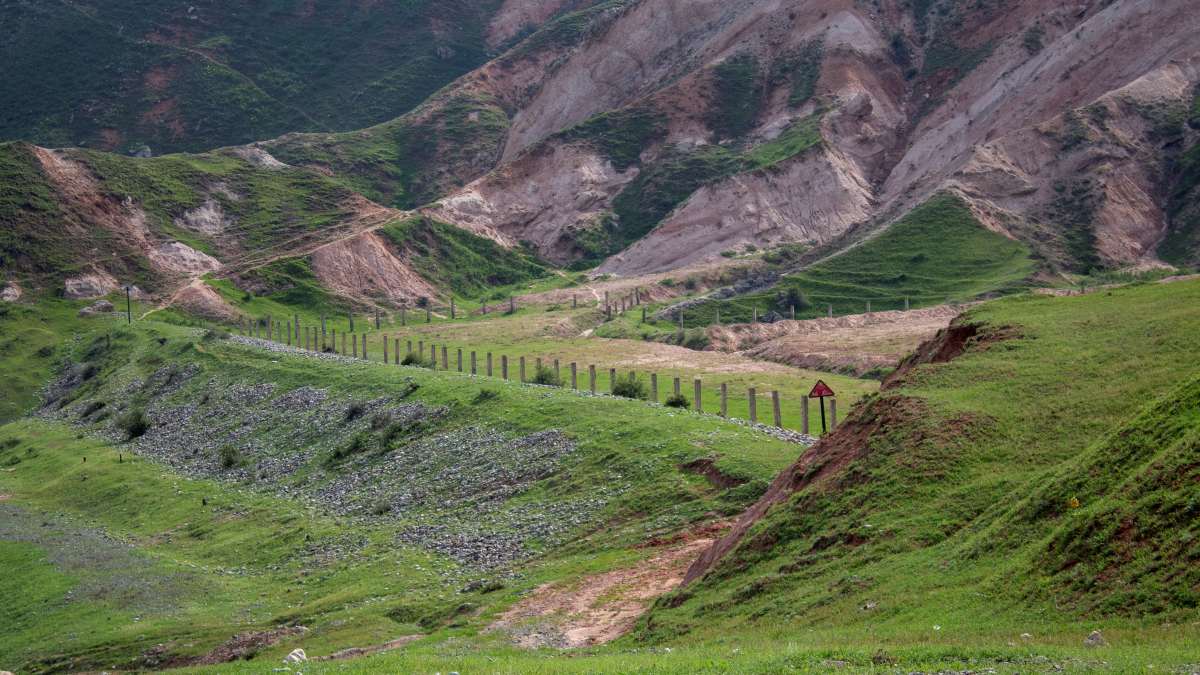
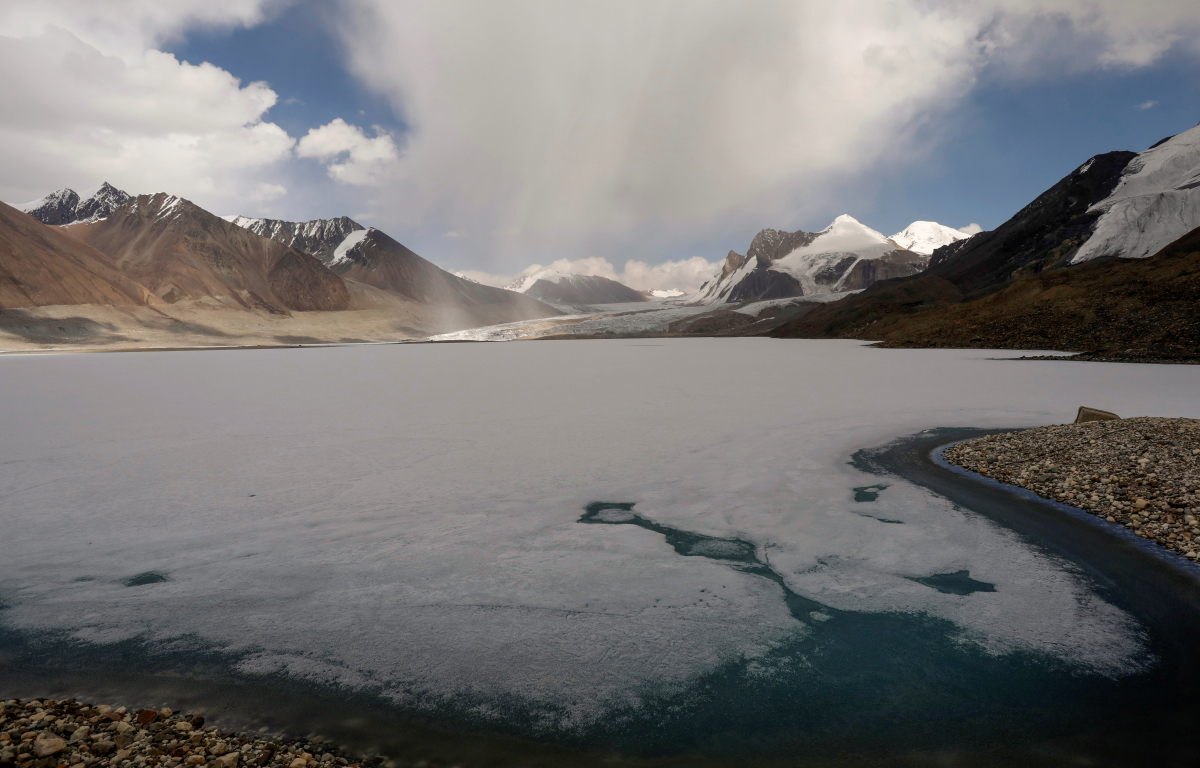
Kyrgyzstan has unveiled plans to significantly expand its protected natural areas, bringing more high-altitude glaciers, mountain landscapes and state-owned forests under environmental protection as part of a draft strategy for 2026–2035.
The Ministry of Natural Resources, Ecology and Technical Supervision published the proposal for public consultation on 26 October.
Under the plan, protected areas would expand from 11.8 per cent of the country's territory to 20 per cent by 2030 and 30 per cent by 2035, according to an accompanying explanatory note.
However, a separate section of the strategy sets an earlier deadline of 2030 for achieving the 30 per cent target, leaving the timeline unclear.
Existing protected areas to receive upgrades
Kyrgyzstan's protected natural areas currently span approximately 2.36 million hectares (23,600 square kilometres). Recent expansion has been driven partly by the creation of ecological corridors linking protected sites, including the 792,000-hectare (7,920-square-kilometre) Ak Ilbirs corridor, established in 2025.
The plans would allow productive pastures to remain in agricultural use, while local communities could continue traditional livestock grazing in designated buffer zones.
The strategy also outlines improvements to park infrastructure, digital monitoring and record-keeping systems, alongside better training and equipment for rangers.
Tackling poaching and safeguarding vulnerable wildlife are among its priorities, with a focus on snow leopards, Tien Shan brown bears, ancient walnut forests and glaciers.
Tourism development with environmental safeguards
Private investors would be permitted to develop tourism facilities in designated recreational zones within national parks. However, the draft prohibits transferring protected land into private ownership or constructing permanent buildings.
Authorities also aim to introduce cashless payments for park entry tickets to strengthen revenue collection, while nearby communities could benefit from tourism by running guesthouses and other small businesses.
But the strategy warns that growing visitor numbers could damage fragile ecosystems, particularly in Ala-Archa, Karakol, Chon-Kemin and Kyrgyz-Ata national parks.
Funding without additional state spending
The expansion would be funded through existing government allocations, park admission revenue and international grants.
The strategy's authors say the measures can be implemented without additional spending from the government budget.


















What is your opinion on this topic?
Leave the first comment