



12:49 CET
Yemen's Houthis
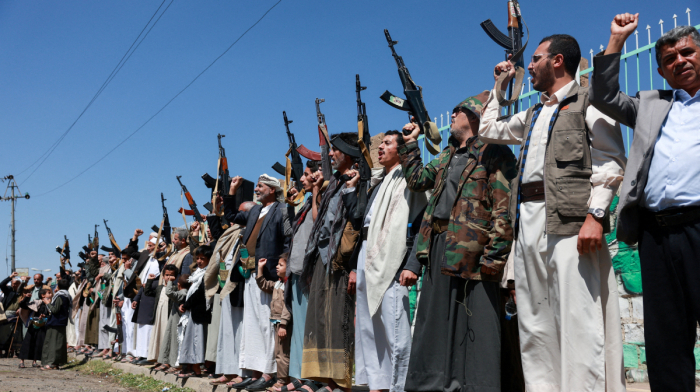
Three Saudi nationals killed in attacks on Riyadh airport
Saudi Arabia's civil aviation authority ...
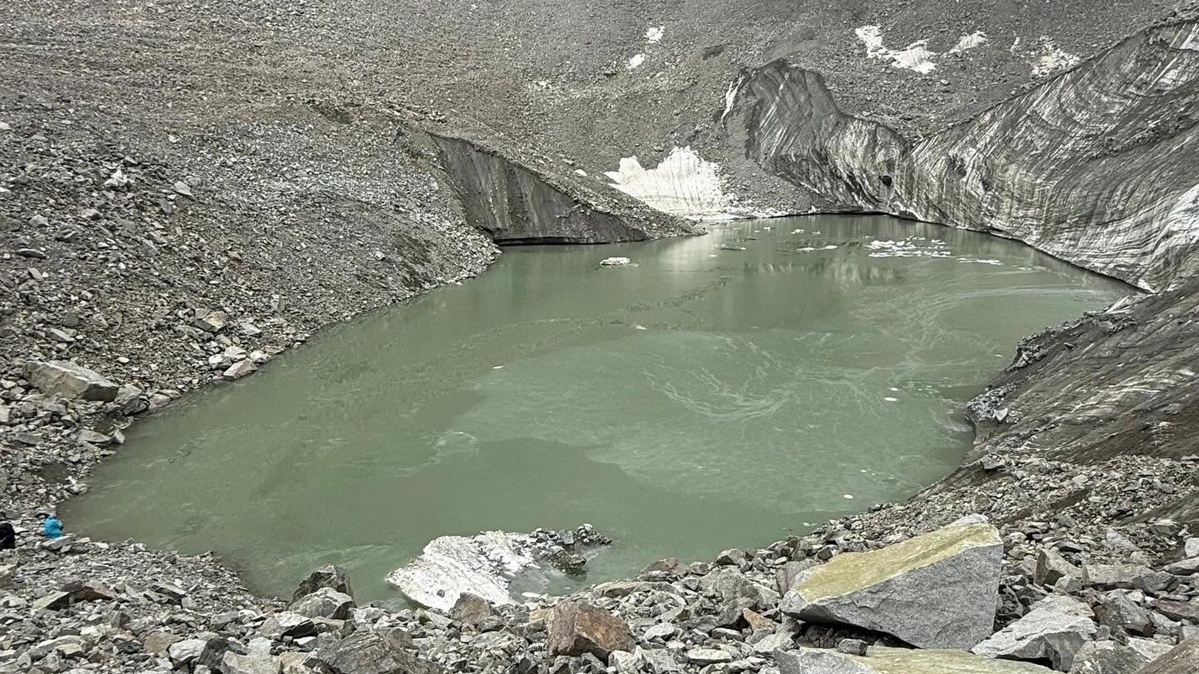


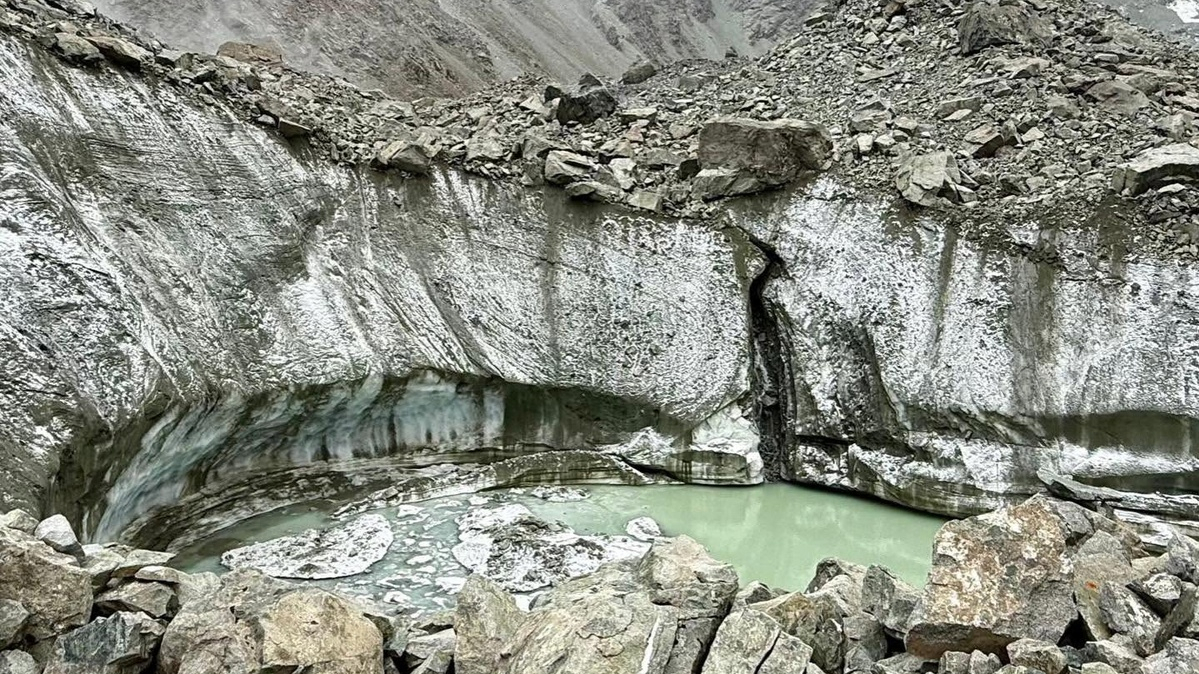
Glacier coverage in Kyrgyzstan’s Issyk-Kul Basin has shrunk by 33.7 per cent over the past 70–90 years, according to an updated glacier inventory by Kyrgyzhydromet. The agency says the pace of glacier retreat has accelerated sharply in recent years.
The revised glacier catalogue was prepared by Kyrgyzhydromet, the Hydrometeorological Service under the Ministry of Emergency Situations, using Copernicus Sentinel-2 satellite imagery, the QGIS geographic information system, Google Earth and data from previous glacier surveys.
Researchers updated glacier boundaries, compiled new morphometric data and documented glaciers that had fragmented, newly formed or disappeared completely.
According to the agency, the continued loss of glacier area is linked to climate change, with glacier coverage across the Issyk-Kul Basin declining by 33.7 per cent over the past 70–90 years. The retreat has accelerated in recent years, with glacier area shrinking by a further 23.1 per cent over the past decade.
The updated inventory will serve as an important resource for monitoring Kyrgyzstan’s cryosphere, providing government agencies, researchers and engineering organisations with up-to-date information on the country’s glaciers.
The cryosphere is the frozen water part of the Earth, including all ice, snow and permafrost.
The findings also have implications for the future of Lake Issyk-Kul, which is fed by rivers originating in the surrounding mountain glaciers. According to the 2018 Catalogue of Glaciers of Kyrgyzstan, the basin contained 957 glaciers covering 560.8 square kilometres, while about 118 rivers and streams flow into the lake, many of them sustained by snow and glacier melt.
Previous studies have shown that Lake Issyk-Kul’s water level fell by 2.75 metres between 1927 and 2003, highlighting the importance of glacier-fed river systems in maintaining water resources.
In December 2025, Kyrgyzstan approved the Concept for the Sustainable Development of the Ecological and Economic System of Lake Issyk-Kul through 2030, which includes measures to modernise irrigation infrastructure and expand water-saving technologies.
The country is also preparing a feasibility study for an integrated national cryosphere monitoring system, bringing together glacier and snow cover observations to strengthen future water management and climate risk assessments.
Read more from Kyrgyzstan:

Saudi Arabia's civil aviation authority ...

Azerbaijan is prepared to chair the Commonwealth of Independent States (CIS) in 2028, the country's President Ilham Aliyev has said. He made th...

U.S. federal immigration agents shot and wounded a man in a car with a five-year-old boy inside in New York City’s Bronx neighbourhood on Thu...

Russia struck Ukraine overnight in one of the biggest attacks of the conflict, killing at least 19 people, Kyiv's Foreign Ministry said on Wednesday. Around 70 missiles were fired at Ukraine during the attack, as well as drones, the Ministry said.
Azerbaijan is prepared to chair the Commonwealth of Independent States (CIS) in 2028, the country's President Ilham Aliyev has said. He made the remarks as regional leaders met at the CIS Council of Heads of State meeting in Awaza, Turkmenistan.
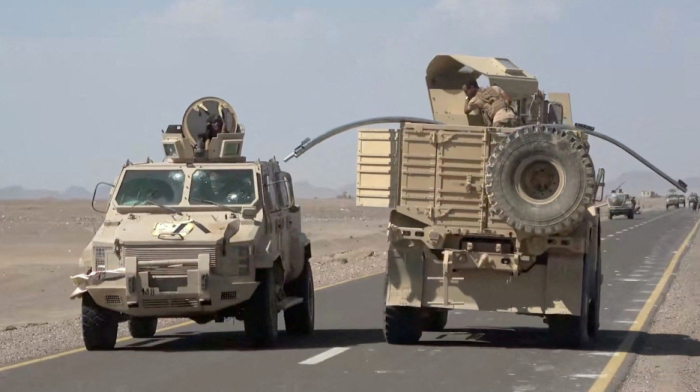
The Saudi-led coalition says it has carried out a series of military operations against Houthi targets in Yemen after attacks on two Saudi airports left three people dead and dozens injured.
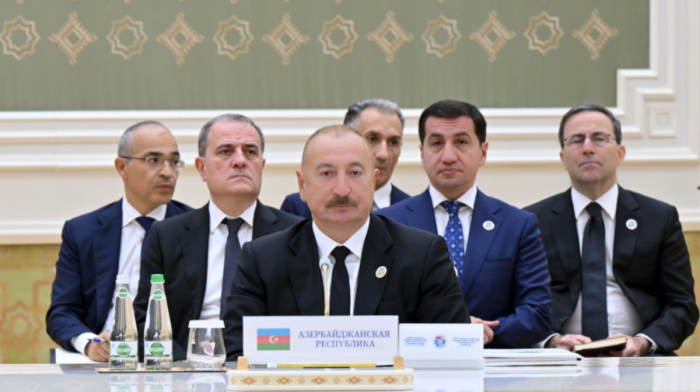
Azerbaijan and the five Central Asian states have signed two key documents at the 8th Consultative Meeting of Heads of State in Turkmenbashi, formalising a broader framework for regional cooperation in transport, trade, energy, digitalisation and security.

It started with classrooms. Too many students, not enough teachers, deteriorating buildings and growing anxiety over what comes after high school. But within weeks, a movement that began outside French lycées had spread across the country.
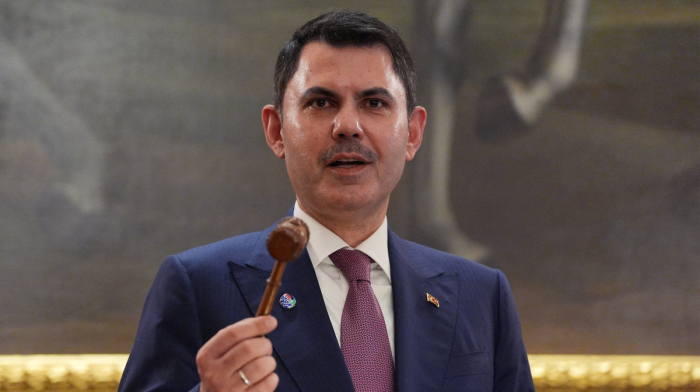
Türkiye’s COP31 presidency has unveiled an action agenda designed to turn climate commitments into concrete projects and measurable results, focusing on clean energy, waste reduction, resilient cities and industrial decarbonisation.
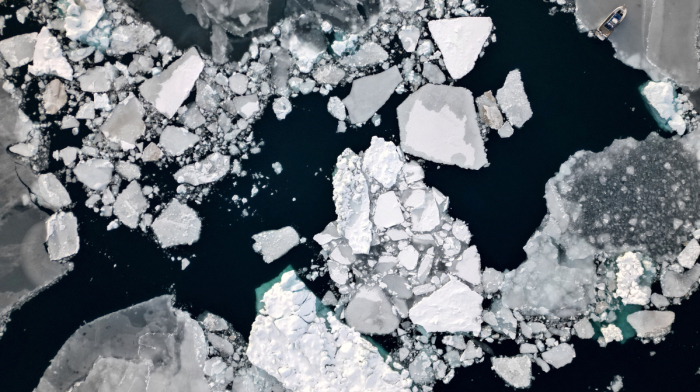
Greenland and Antarctica have shed a combined 11.3 trillion tonnes of ice since 1979, according to the most comprehensive satellite study of the planet's ice sheets to date, with researchers warning the pace of loss has accelerated sharply in recent decades.
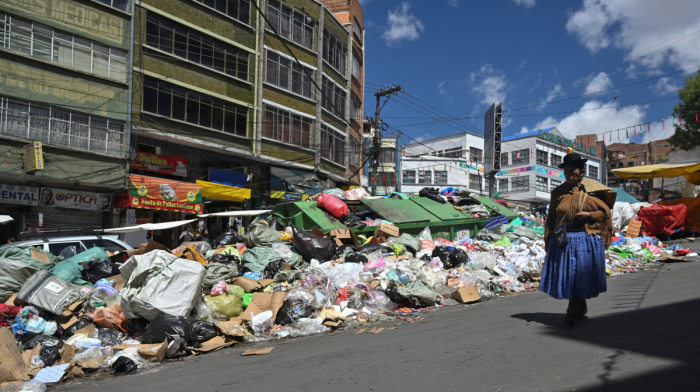
The European Union will continue allowing large-scale plastic waste exports to Türkiye despite concerns over recycling rates, environmental damage and the risk of illegal waste trafficking.
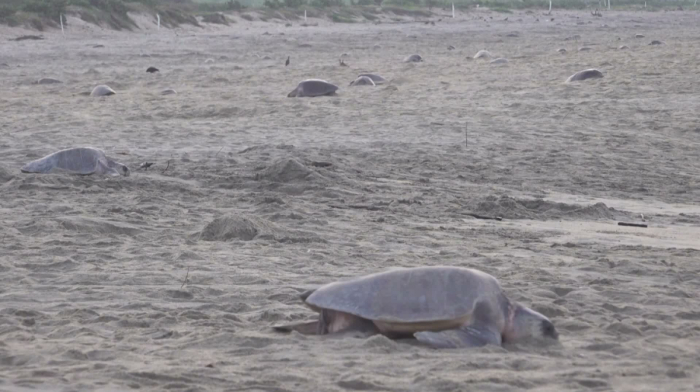
Hundreds of thousands of deep-diving turtles, known as olive ridley sea turtles, have arrived on Mexico’s southern coast for one of nature’s most striking nesting events. But conservation officials warn that climate change is making it increasingly difficult for their eggs to hatch.
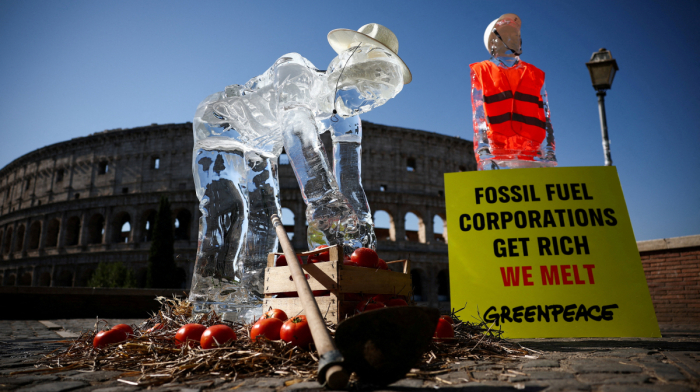
August 2026 tied as the hottest month ever recorded globally, pushing average temperatures above the critical 1.5°C threshold as extreme weather swept across several regions, the EU’s Copernicus Climate Change Service said.
You can download the AnewZ application from Play Store and the App Store.




What is your opinion on this topic?
Leave the first comment