Azerbaijan is showcasing its green energy potential, environmental initiatives and international climate cooperation at the United Nations Climate Change Conference, COP31, in Antalya, Türkiye, under the theme “Corridor of Dialogue”.
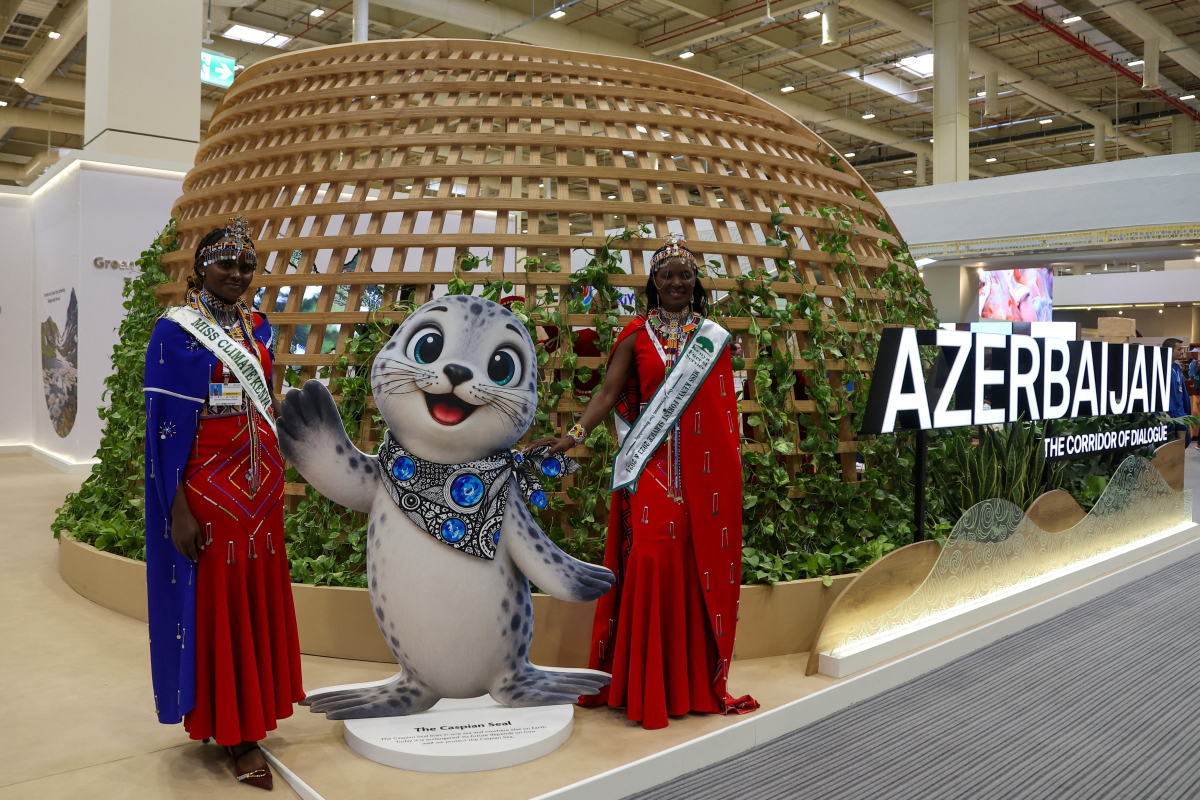
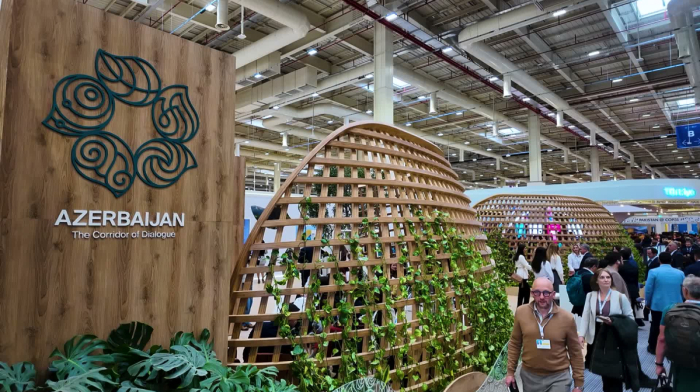
The country’s 244-square-metre national pavilion, which shares the same name as its main COP31 slogan, features projects focused on sustainable urban development, climate resilience, biodiversity conservation and protecting the Caspian Sea.
Among those visiting the pavilion was Leyla Aliyeva, Vice-President of the Heydar Aliyev Foundation, who was briefed on the displays and initiatives presented.
During her remarks, Aliyeva emphasised the importance of creating healthier and more sustainable urban environments as cities continue to expand.
“As our cities grow, we must remember that development is not only about building buildings and roads, but it is about people’s health and quality of life,” she said.
She highlighted Azerbaijan’s efforts to introduce hundreds of electric buses and implement Baku’s 2040 Master Plan, which aims to expand green spaces, improve public transport and create a cleaner urban environment.
Azerbaijan outlines plans for cleaner air and sustainable cities
Non-governmental organisations, including the IDEA Public Union, are also participating in the pavilion’s activities, presenting initiatives focused on climate resilience, digital solutions, clean air and community-led environmental protection. Anar Alakbarov, Assistant to the President of Azerbaijan, also visited the pavilion and reviewed its displays.
Speaking at the event, COP29 President Mukhtar Babayev highlighted the country’s experience hosting COP29 and the World Urban Forum in Baku, stressing the importance of developing healthier and more resilient cities.
He announced that preparations had begun for Azerbaijan’s National Action Plan on Air Quality for 2028–2035, following a recent order by President Ilham Aliyev. The initiative will strengthen air quality management while supporting Azerbaijan’s nationally determined contribution (NDC) under the Paris Agreement and its recently adopted long-term decarbonisation strategy, according to Babayev. He added that the plan would bring together climate objectives, public health priorities and sustainable urban development within a single policy framework.
Caspian Sea protection takes centre stage
The pavilion also draws attention to environmental challenges facing the Caspian Sea, including changing water levels, biodiversity loss and threats to the endangered Caspian seal. Visitors can learn about joint conservation efforts involving the five Caspian littoral states, as well as Azerbaijan’s climate initiatives since the adoption of the Paris Agreement.
For the first time, the Azerbaijan Pavilion has introduced an official mascot representing the Caspian seal, aimed at raising international awareness of the species and the importance of protecting its habitat.
Marina Olshanskaya, who is responsible for the pavilion, described the initial response from visitors as overwhelmingly positive.
“People really like the content of the pavilion, but also the hospitality, the different types of agenda events that we are hosting,” she said.
More than 40 events planned during COP31
More than 40 events and meetings are scheduled to take place at the Azerbaijan Pavilion throughout COP31, building on initiatives launched during the country’s hosting of COP29.
Discussions will cover the protection of the Caspian Sea and water resources, sustainable urban development, climate investment opportunities and the involvement of young people and women in environmental action. Other priorities include strengthening early warning systems, improving climate adaptation and promoting international cooperation on environmental challenges.
Through its “Corridor of Dialogue” theme, Azerbaijan aims to provide a platform for discussions on climate solutions while presenting its national environmental priorities to the international community.
Read more about COP31:









What is your opinion on this topic?
Leave the first comment