Iran and the United States remains far from a deal to end the conflict as tensions rise over the Strait of Hormuz. Following Republican losses in U.S. midterm elections, Tehran says Americans have rejected the war, while Qatar intensifies mediation efforts to prevent renewed escalation.
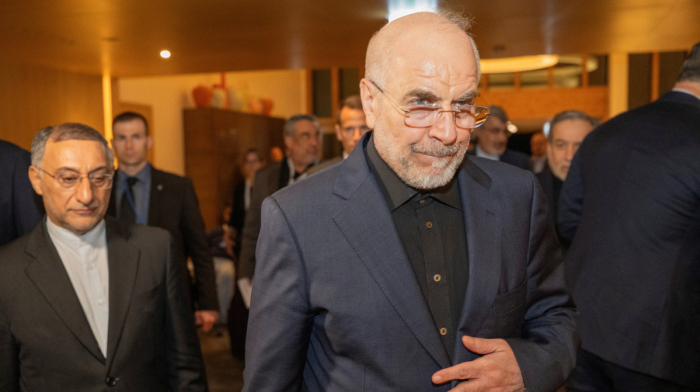
Iranian Parliament Speaker Mohammad Bagher Ghalibaf said Wednesday that the results of the U.S. midterm elections reflected growing public opposition to the war against Iran.
In a statement shared on X, Ghalibaf said Americans had rejected the conflict, either because of moral concerns or because of the rising cost of living. He added that Tehran supported the message sent by U.S. voters.
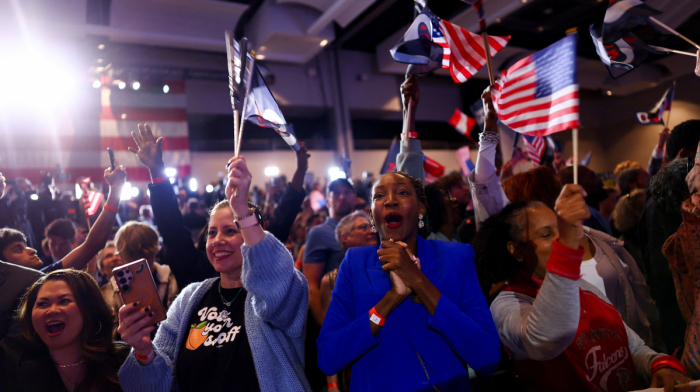
His remarks followed projections that Democrats would gain control of both chambers of Congress in Tuesday's midterm elections, dealing a major setback to President Donald Trump and his Republican Party.
Iran-U.S. negotiations remain uncertain
Despite ongoing diplomatic efforts, Washington and Tehran remain divided over the terms of a potential agreement to end the conflict.
A senior Iranian official said on Tuesday that the two sides were still a considerable distance from reaching a deal. The official spoke as Trump declined to rule out renewed U.S. military operations following the midterm elections.
Trump made the comments in separate interviews while voting was underway across the United States. The war has emerged as a significant political issue amid growing public dissatisfaction.
The U.S. also conducted what it described as defensive strikes against Iran's Qeshm Island overnight, targeting surface-to-air missile systems allegedly used against American assets, according to a U.S. official.
Another U.S. official characterised the operation as limited, saying it did not indicate a return to large-scale military action.
Trump, meanwhile, renewed his warnings of possible military intervention during an interview with Fox News, saying he did not want to cause mass casualties but would act if necessary.
In a separate interview with the Financial Times, however, he suggested that Washington was satisfied with the current situation.
“We seem to be getting everything we want,” Trump said, according to the newspaper.
He also confirmed that indirect discussions with Iran over its stockpile of enriched uranium were continuing.
Washington signals changes in support for Israel
Trump also announced a new arrangement with Netanyahu under which Washington would end approximately $4 billion in annual financial assistance to Israel after this year while continuing to sell weapons to its Middle Eastern ally.
The announcement appeared to be aimed at addressing concerns among American voters over U.S. support for Israel amid the ongoing conflict.
Meanwhile, fears of renewed hostilities have intensified following the U.S. midterm elections.
Tehran sets conditions for reopening Strait of Hormuz
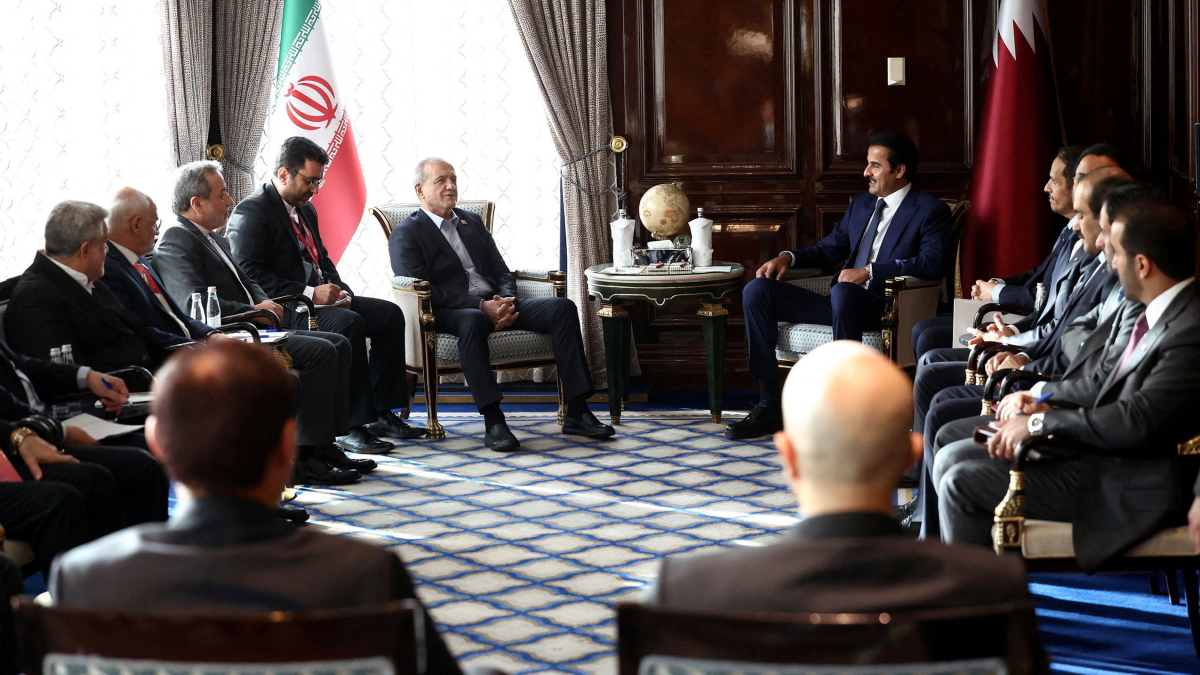
Diplomatic efforts led by Qatar are continuing as Washington and Tehran exchange messages through intermediaries.
A senior Iranian official said Qatari mediators travelled to Tehran on Monday (2 November) night to discuss a draft agreement that had been under consideration for approximately eight days.
According to the official, Iran is demanding several concessions before agreeing to reopen the Strait of Hormuz. These include the removal of oil sanctions, an end to the U.S. naval blockade and the release of frozen Iranian assets.
Mohsen Rezaei, Secretary of Iran's Supreme National Security Council, also criticised Washington's response to Tehran's demands, describing it as unconvincing.
In a statement on X, Rezaei said the United States must explicitly address all seven of Iran's conditions and take concrete steps to implement them. He stressed that reopening the Strait of Hormuz would depend on meeting these requirements.
Qatar continues mediation efforts
Qatar has maintained its diplomatic efforts to prevent further escalation between Iran and the United States.
Foreign Ministry Spokesperson Majed al-Ansari said both countries were reviewing proposals submitted by mediators. Although the Qatari delegation that visited Tehran had returned to Doha, diplomatic discussions were continuing.
He emphasised that regional partners were working together intensively to avoid another escalation and expressed hope that an agreement could still be reached.
An official familiar with the discussions said responses from Washington and Tehran were expected within 36 hours.
However, a senior Iranian official later clarified that there was no fixed deadline for exchanging messages through mediators or reviewing the proposals.
Oil tankers reportedly hit by naval mines
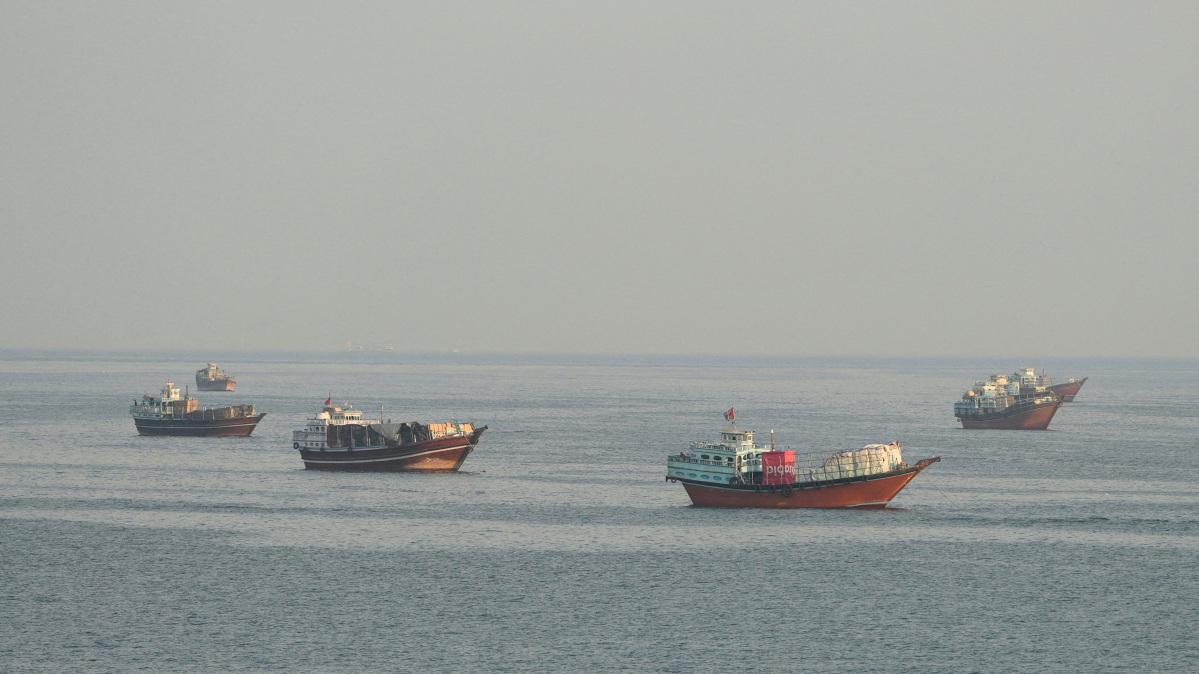
Separately, Iran's Islamic Revolutionary Guard Corps (IRGC) announced on Wednesday that four oil tankers had been destroyed after striking naval mines while attempting to navigate a route south of the Strait of Hormuz that it described as prohibited.
According to the IRGC statement, the vessels remained on fire following the explosions. The force also claimed that two additional ships had been seized.
The reported incidents have added to concerns over maritime security and the potential disruption of international energy supplies through one of the world's most strategically important shipping routes.












What is your opinion on this topic?
Leave the first comment