Uzbekistan welcomed 10.3 million foreign tourists in the first nine months of 2026, up 20.4 per cent year-on-year, as the Central Asian nation pushes towards its ambitious goal of attracting 20 million visitors annually by 2030.
According to Uzbekistan’s Tourism Committee, around 1.2 million foreign visitors arrived in September alone. The figures highlight the country’s growing appeal as a travel destination, driven by its rich historical heritage, cultural attractions and rising international profile.
Asian markets drive tourism growth
Asian and emerging markets recorded some of the sharpest increases in visitor numbers. Tourist arrivals from China more than doubled, reaching 2.1 times last year’s level. Arrivals from Malaysia rose 1.9-fold, while Egypt and Romania each recorded 1.8-fold increases.
Visitor numbers from Indonesia rose 1.7-fold, while arrivals from Japan increased 1.5-fold. The U.S. and Russia also recorded growth, with arrivals rising 1.4-fold and 1.3-fold respectively.
European markets also contributed to the increase. Arrivals from Germany and the United Kingdom each rose by 25 per cent, while France recorded a 21 per cent rise. Visitor numbers from Türkiye climbed by 15 per cent.
The figures reflect Uzbekistan’s widening international appeal, with tourism growth extending beyond established markets to an increasingly diverse range of countries.
From Silk Road cities to bustling bazaars
Uzbekistan’s historic Silk Road cities remain among its biggest attractions, drawing visitors with centuries-old architecture, UNESCO-listed landmarks and vibrant cultural traditions.
Four of the country’s most prominent destinations - Samarkand, Bukhara, Khiva and Tashkent - offer travellers a blend of ancient history and modern Uzbek life.
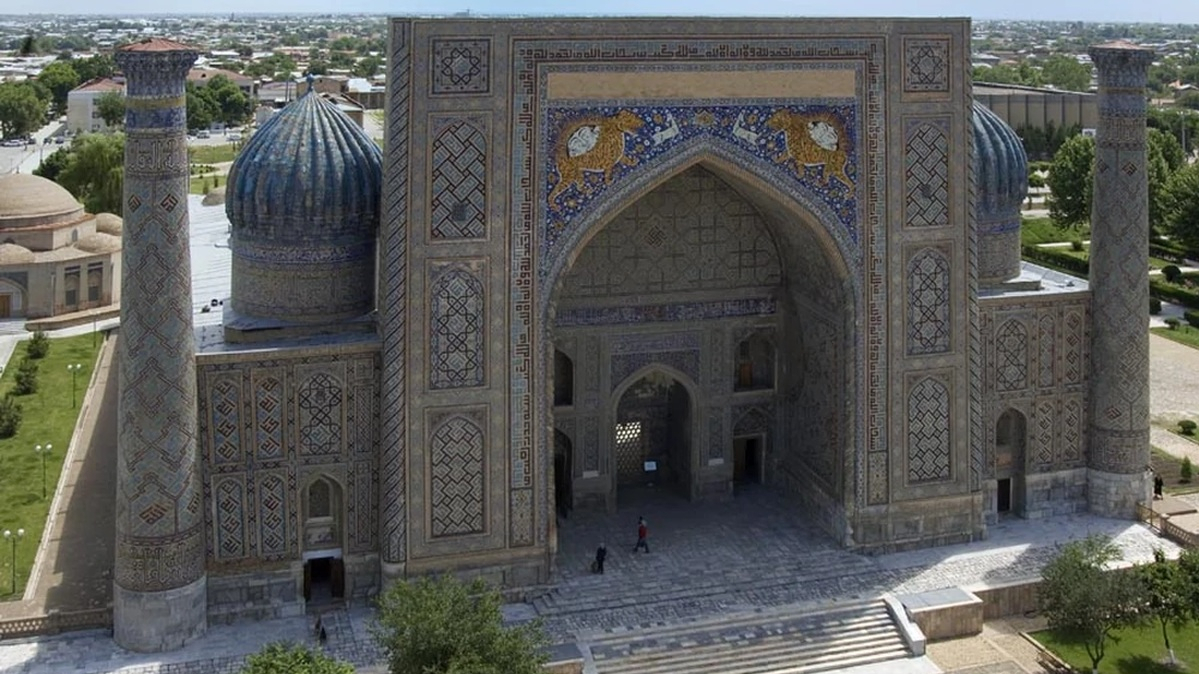
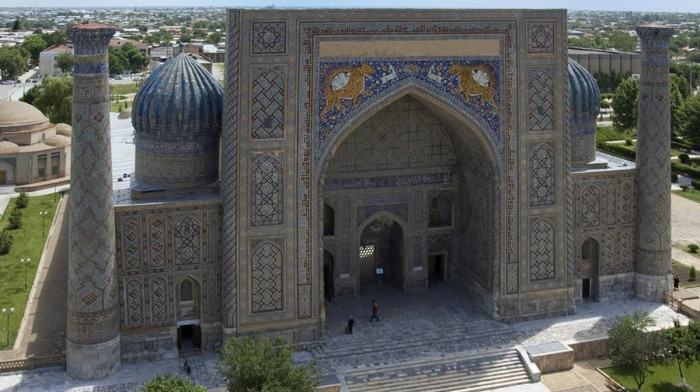
Samarkand, once a major crossroads along the ancient Silk Road, is famed for its architectural treasures, including Registan Square, the Shah-i-Zinda mausoleum complex, the Gur-e-Amir mausoleum, the resting place of Amir Timur, the Bibi-Khanym Mosque and Ulugh Beg Observatory.
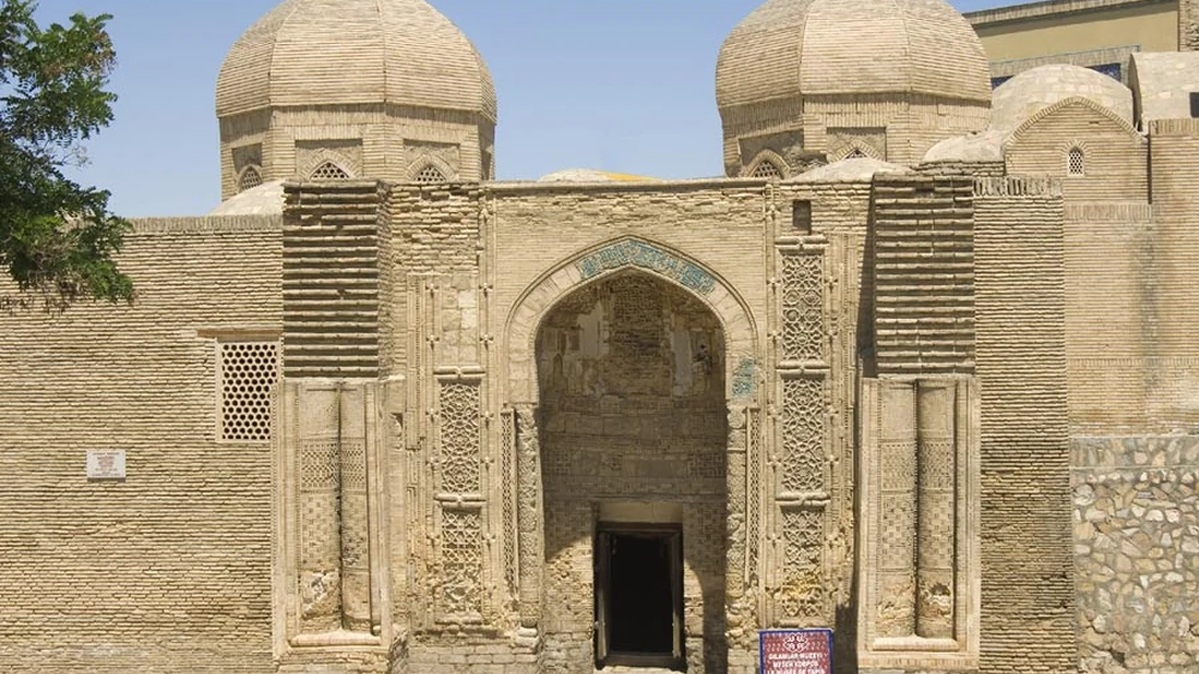
Bukhara is celebrated for its remarkably preserved historic centre and medieval Islamic architecture. Its best-known landmarks include the Po-i-Kalyan complex, the Ark of Bukhara, the Lyabi-Khauz ensemble, Chor Minor and the Sitorai Mokhi Khosa summer palace.
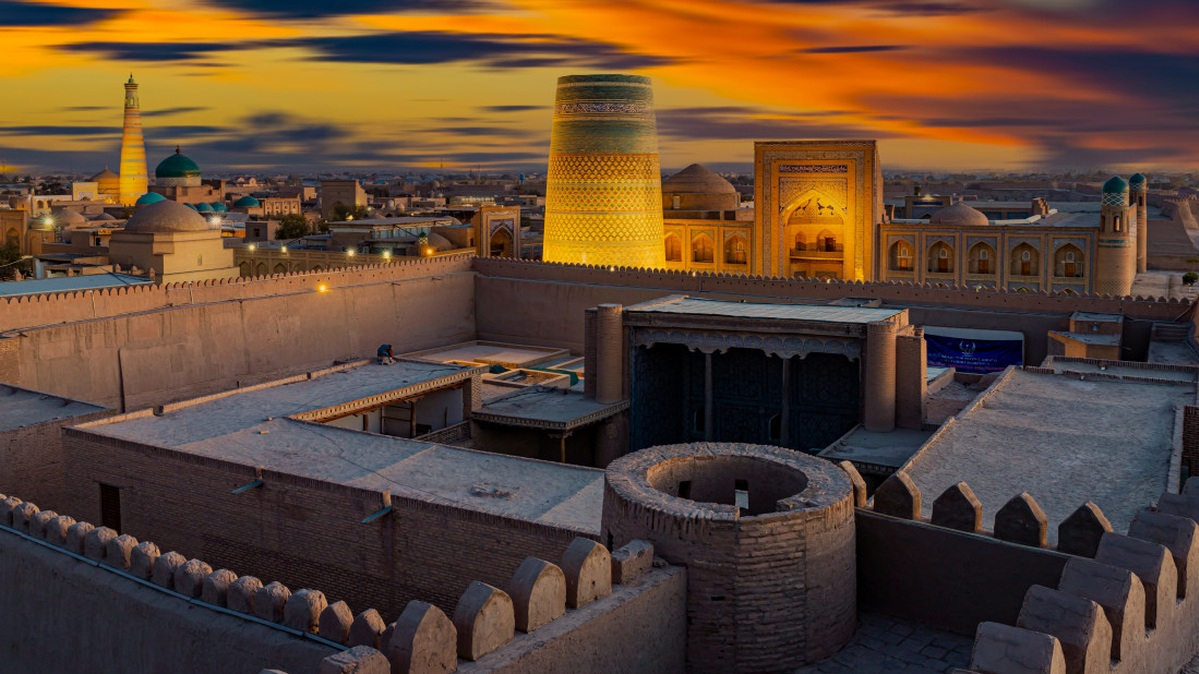
Khiva offers a glimpse into the region’s past through its exceptionally well-preserved walled inner city, Ichan Kala.The UNESCO-listed complex contains more than 50 monuments, including the 57-metre Islam Khoja Minaret, the Juma Mosque with its 213 carved wooden columns and the Tash Khauli Palace.
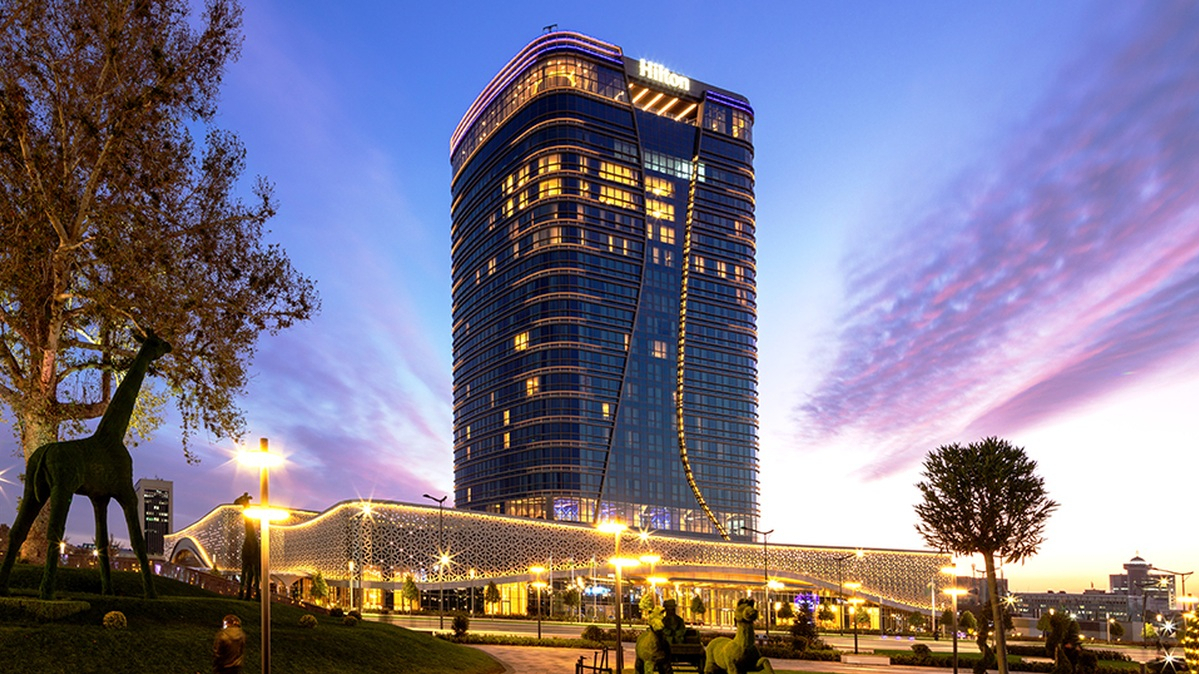
Meanwhile, Tashkent, Uzbekistan’s modern capital and a key gateway for international travellers, blends Soviet-era architecture with green spaces and lively traditional markets. Highlights include Chorsu Bazaar, the Hazrati Imam Complex, the ornate Tashkent Metro and the popular Besh Qozon Plov Centre.
When is the best time to visit Uzbekistan?
Uzbekistan welcomes travellers year-round, but spring and autumn remain the most popular times to visit, offering more comfortable conditions for sightseeing.
Summer temperatures can exceed 40°C, making outdoor activities and exploring historic sites more challenging. However, travellers willing to brave the heat can benefit from lower prices and fewer crowds at major attractions.
Winter brings colder weather, particularly in northern and mountainous areas, while the country’s mountain resorts attract visitors for skiing and other winter sports.
Cities such as Tashkent, Samarkand and Bukhara generally experience milder winter conditions, allowing tourists to explore their cultural and historical landmarks throughout the colder months.
Tourism revenues climb as visitor numbers rise
Uzbekistan’s tourism boom is also delivering significant economic gains, with revenue from tourism services growing even faster than international arrivals.
Exports of tourism services reached $5.3 billion between January and September 2026, a 51.2 per cent increase compared with the same period in 2025.
The figures underline tourism’s growing contribution to the national economy. Based on the reported totals, tourism-service exports averaged approximately $515 per foreign visitor during the nine-month period.
With more than 10 million international visitors recorded by the end of September, Uzbekistan is not only attracting more travellers but also generating greater revenue from its expanding tourism industry.
The strong growth in visitor numbers, rising tourism earnings and increasingly diverse source markets highlight the country’s emergence as a major Central Asian travel destination as it works towards its 2030 target.
Read more:
















What is your opinion on this topic?
Leave the first comment