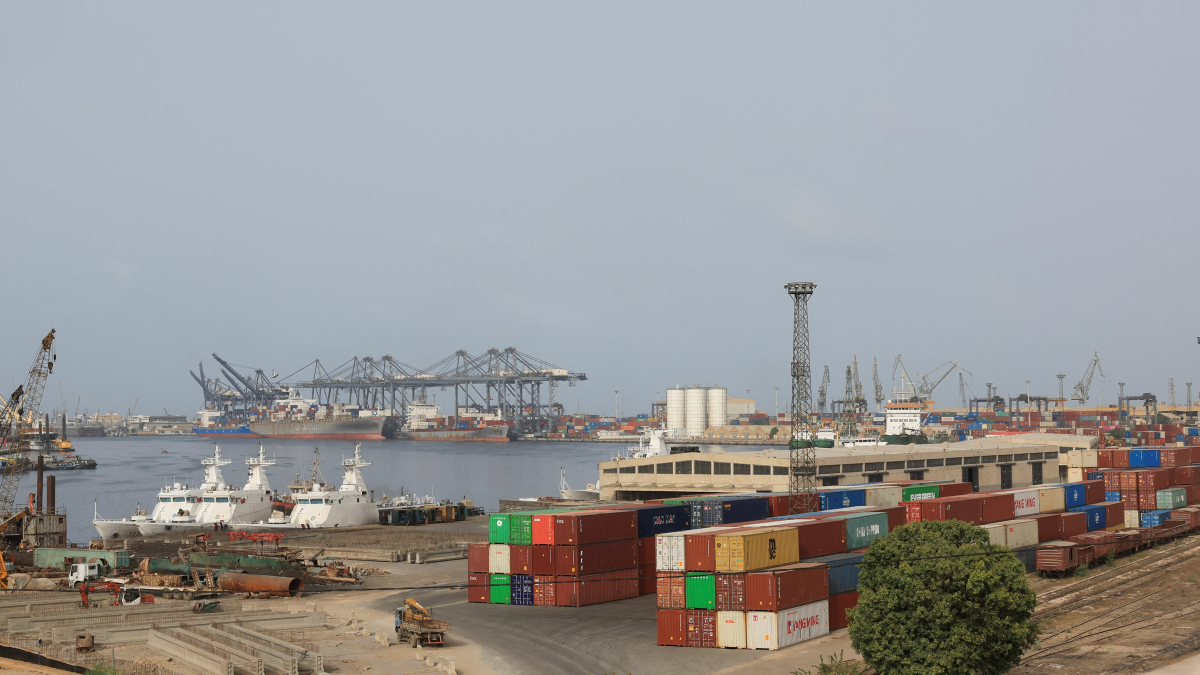
Disruptions to shipping through the Gulf are creating an unexpected opportunity for Pakistan, as conflict around the Strait of Hormuz prompts vessels to divert cargo to Karachi, reshaping regional maritime trade.
The Strait of Hormuz carries around one-fifth of global oil shipments and commercial shipping. Renewed fighting involving the U.S. and Iran has heightened security risks, increased insurance costs and disrupted operations across Gulf ports, prompting some shipping lines to seek alternative routes through Pakistan.
Karachi targets 20% rise in container traffic
Pakistan is seeking to turn the temporary shift into long-term business by expanding Karachi's role as a regional transshipment hub.
Karachi Port Trust (KPT) expects container handling to increase by 20% over the next two fiscal years. Volumes are projected to rise from 2.75 million twenty-foot equivalent units (TEUs) in the last fiscal year to 3.21 million TEUs in FY2027 and 3.53 million TEUs in FY2028. General cargo volumes are forecast to increase by up to 7% to 64.3 million tonnes over the same period.
To attract more shipping lines, KPT has reduced transshipment tariffs by around 65%, with further cuts expected. The port is also lowering wet and dry charges, deepening the East Wharf navigation channel to 15.5 metres and developing a 20,000-square-metre bonded transshipment area.
Record traffic highlights Karachi's growing role
The latest conflict has accelerated cargo diversions through Pakistan's largest port.
Karachi handled 23,962 transshipment TEUs last year, the highest volume recorded in the port's 139-year history. According to KPT, that record has already been surpassed since the latest regional conflict began, underlining the scale of cargo being redirected from Gulf ports.
The increase also reflects Karachi's location outside the Gulf, while remaining close to one of the world's busiest maritime corridors, allowing shipping lines to reroute cargo while maintaining access to regional markets.
Can Pakistan retain the momentum?
The latest surge offers Pakistan an opportunity to expand its role in regional logistics as global shipping companies reassess supply chains and route resilience.
Industry experts say sustaining the additional cargo will depend on competitive port charges, efficient operations and continued infrastructure improvements once regional shipping patterns stabilise. Pakistan's ports currently handle around 3.8 million containers annually against an estimated capacity of six million, indicating significant room for growth if the current increase in transshipment traffic can be maintained.




















What is your opinion on this topic?
Leave the first comment