


14:38 CET
U.S.-Iran
live Iranian FM says Saudi talks continue as Yemen fighting intensifies
Iran and...
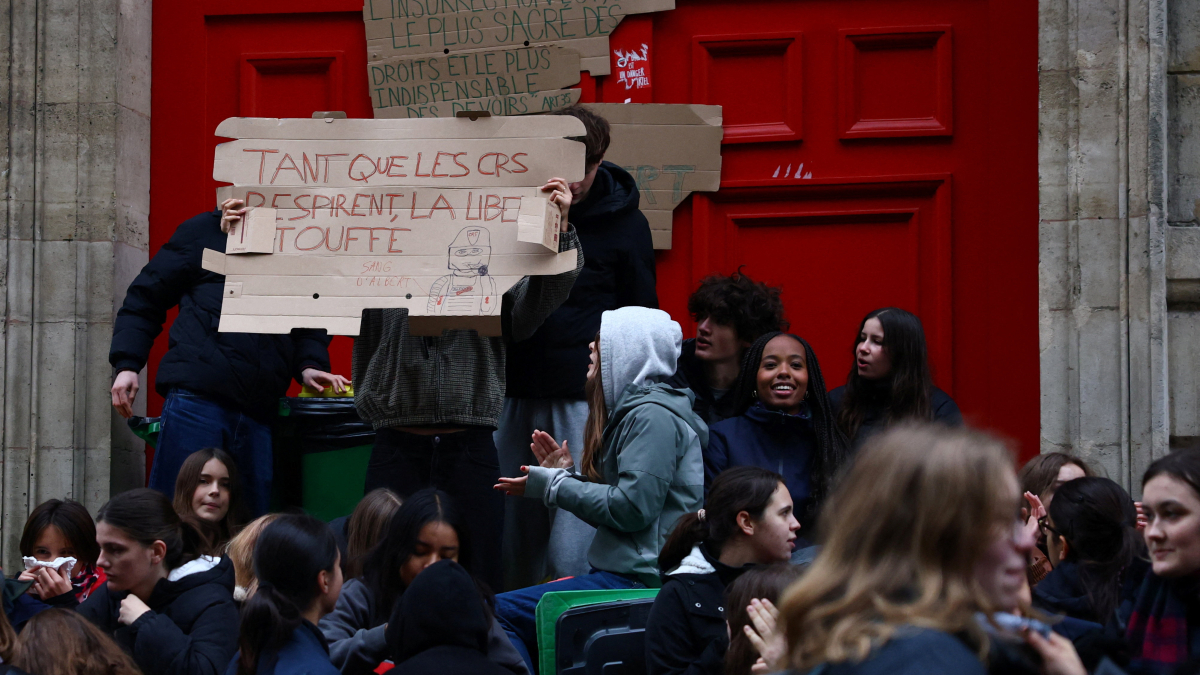


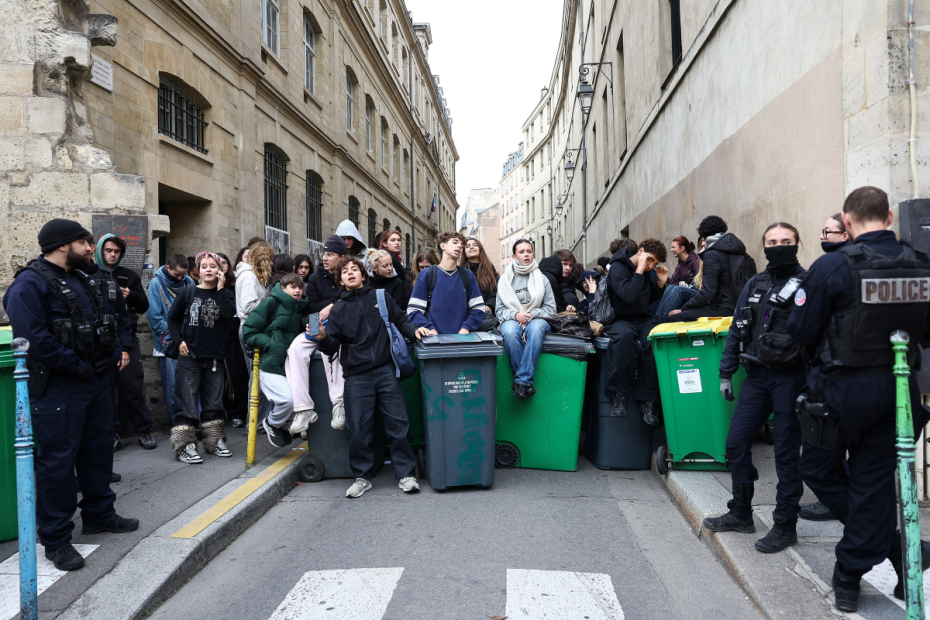
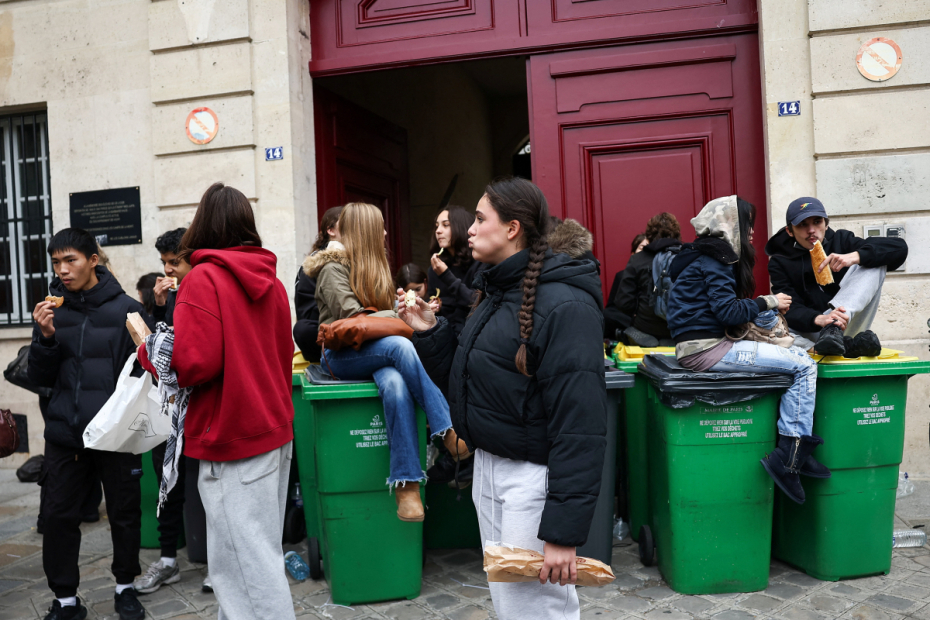
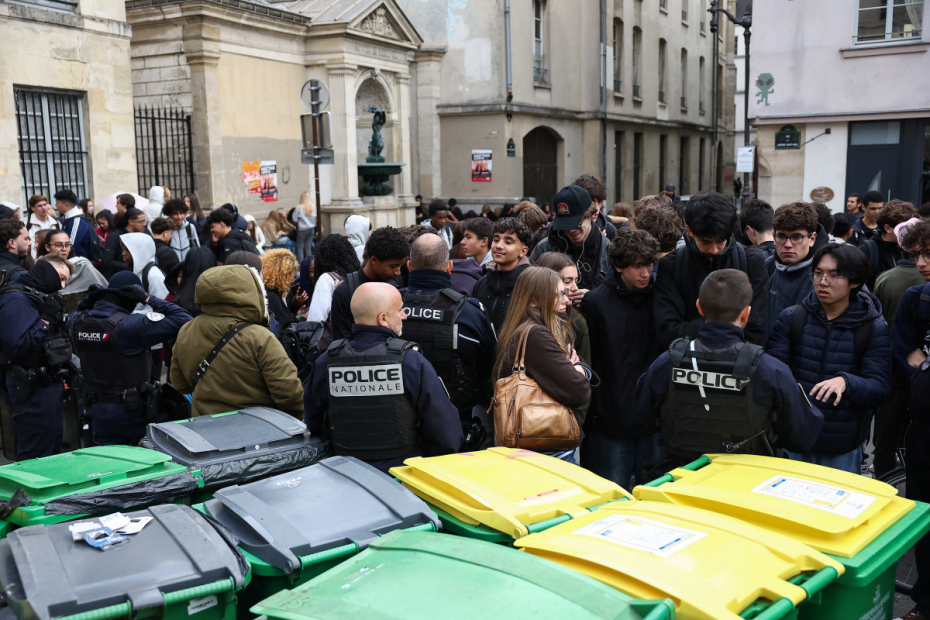
French high school students returned to protests on Monday, but demonstrations were far smaller than those seen before the two-week school break. Attempts to blockade schools were reported in several cities, including Paris, Marseille and Rennes.
By 9:30am around 41 high schools – roughly 1 per cent of the country's total – had been blockaded, according to the French Education Ministry. This marked a sharp decline from the weeks before the holidays, when hundreds of schools across France were affected.
The demonstrations first emerged in the Paris suburbs in September before spreading to other parts of the country. What began as anger over conditions in schools has since grown into a wider movement, with students and activists raising concerns about the rising cost of living and social inequality.
Trade unionists have also joined the protests. Some demonstrations last month escalated into violent clashes with police, while several cities saw riots and shops being looted. The unrest has added pressure on President Emmanuel Macron's minority government ahead of elections next year.
The movement is part of a wider wave of youth-led demonstrations across Europe, with similar protests reported in Germany, Italy, Belgium and Albania. Participants have voiced frustration over living costs, underfunded education systems and alleged corruption.
Despite the latest attempts to block schools, Education Minister Edouard Geffray played down the scale of Monday's action.

“In terms of blockades – or rather, attempted blockades – the phenomenon is very marginal. We're talking about just a handful of units, a few individual schools,” he told France Inter radio.
Geffray stressed that students had the right to protest but warned that preventing others from accessing schools was illegal. Police were present at several locations, although television footage showed officers were not wearing full anti-riot equipment.
Students are calling for improvements to ageing school buildings, more teachers and additional university places. They also want changes to the university admissions system, which they argue disadvantages young people from less privileged backgrounds.
Last week, Geffray proposed limiting class sizes to 28 pupils, investing €4 billion in school renovations and creating 15,000 additional higher education places. He also promised a new university admissions system by 2028.
However, student representatives have dismissed the proposals as insufficient and warned that demonstrations would continue.
Although Monday's turnout was considerably lower, the government's challenge remains: addressing the concerns of young people before the unrest gathers momentum again.

Iran and...
French high school students returned to protests on Monday, but demonstrations were far smaller than those seen before the two-week school break. A...
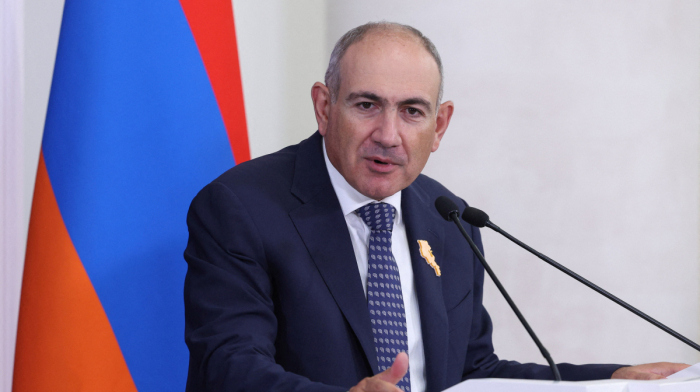
Armenian Prime Minister Nikol Pashinyan said the g...
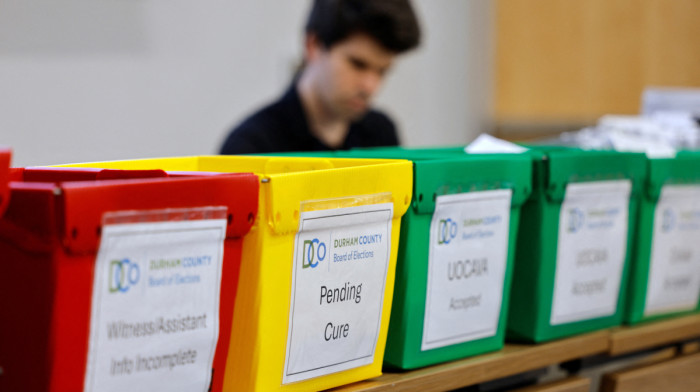
Hundreds of millions of U.S. citizens head to the polls on 3 November to elect the House of Representatives and Senate. How they vote could influence the direction of Donald Trump’s remaining 26 months in office and the outcomes of the Ukraine and Iran conflicts.
Iran and Saudi Arabia are continuing talks on new regional security arrangements without foreign military involvement, Iranian Foreign Minister Abbas Araghchi said Tuesday, as Houthi attacks on the kingdom intensify.
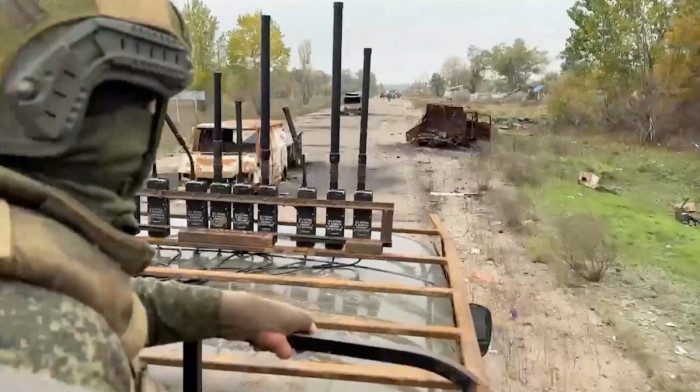
A six-day humanitarian ceasefire in the Russian-held Ukrainian town of Oleshky ended on Sunday, 1 November, after facilitating aid deliveries and civilian evacuations.

Saudi Aramco's acquisition of a 49 per cent stake in artificial intelligence (AI) company HUMAIN is putting a spotlight on a wider investment question: why are some of the world's biggest energy companies moving deeper into AI, and what do they expect to gain?
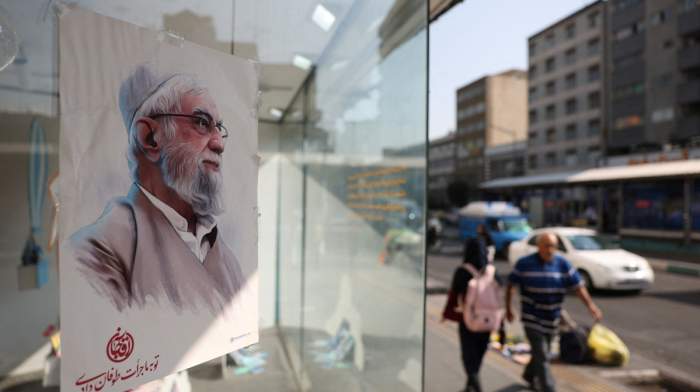
Iranian negotiators held a third consecutive day of talks with Qatari mediators in Doha on Sunday, 1 November, as diplomatic efforts to end the U.S.-Israeli war on Iran continue amid fears of renewed military action.
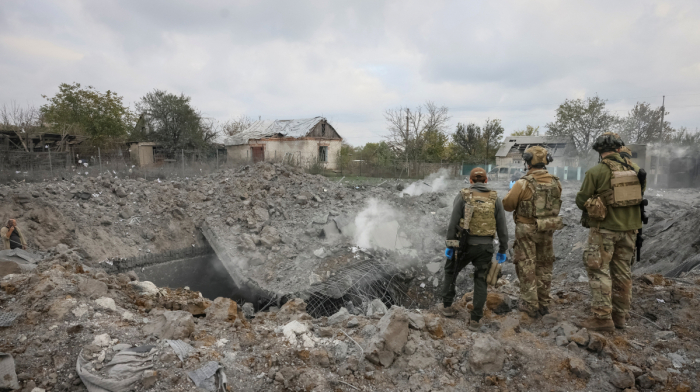
The U.S. will host Ukrainian and Russian delegations in Abu Dhabi next week for the first peace talks mediated by Washington since February, U.S.Special Envoy Steve Witkoff has said.

Here's your AnewZ Daily Brief for 3 November, covering five developments in technology, from major cyberattacks and data breaches to advances in military AI and Europe's transition to digital communications.

North Korea has denied U.S. allegations that it was behind a $6 billion cryptocurrency theft from Binance, the world's largest crypto exchange. Kim Yo Jong, sister of leader Kim Jong Un, called the accusations “absurd rhetoric” and a political provocation.
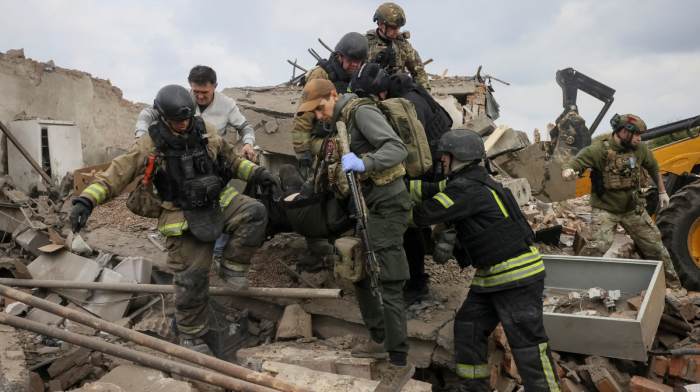
Russia airstrikes on a school used as a humanitarian aid distribution point in southeastern Ukraine's Zaporizhzhia region killed at least 26 people, including rescue workers and police officers, Ukrainian officials said. Another 27 people were reported missing.
Hundreds of millions of U.S. citizens head to the polls on 3 November to elect the House of Representatives and Senate. How they vote could influence the direction of Donald Trump’s remaining 26 months in office and the outcomes of the Ukraine and Iran conflicts.
You can download the AnewZ application from Play Store and the App Store.




What is your opinion on this topic?
Leave the first comment