Kazakhstan’s competition regulator has issued a formal warning to ride-hailing platform inDrive after fares for some journeys reportedly nearly tripled as widespread Yandex outages disrupted taxi services across Central Asia on 11 October.
The Agency for the Protection and Development of Competition raised concerns about the sharp fare increases, citing the highly concentrated nature of Kazakhstan’s ride-hailing market.
The regulator also pointed to international measures aimed at preventing excessive price rises during emergencies and other unforeseen circumstances.
The warning followed complaints from passengers about soaring fares on inDrive, which allows passengers and drivers to negotiate prices directly rather than relying on fares set by the platform.
Demand surge pushes fares higher
inDrive founder and chief executive Arsen Tomsky said the price increases were driven by an extraordinary surge in demand after passengers turned to the platform amid the Yandex disruptions.
According to Tomsky, ride requests almost tripled within hours on the morning of 11 October compared with a typical Sunday morning.
Demand quickly outstripped the number of available drivers, sending fares sharply higher in some areas.
Tomsky said inDrive’s fare negotiation system allows prices to fluctuate according to supply and demand, particularly when passengers compete for a limited number of vehicles.
Yandex outages disrupt services across Central Asia
The surge in demand came as Yandex suffered widespread technical failures across Kazakhstan, Kyrgyzstan and Uzbekistan.
The outages disrupted taxi bookings and deliveries of food and goods, affecting passengers, drivers and couriers across the region.
Yandex Go said its technical teams were working to restore services but were initially unable to say when operations would return to normal.
The company’s Kazakhstan division said its platforms rely on computing infrastructure spread across several countries, meaning a failure at a single facility can disrupt services in multiple markets.
In Uzbekistan, Yandex confirmed that restoration efforts were under way and reassured users that their personal data remained secure.
Drone attacks damage Yandex data centres in Russia
The disruptions coincided with a series of drone attacks on Yandex data centres in Russia.
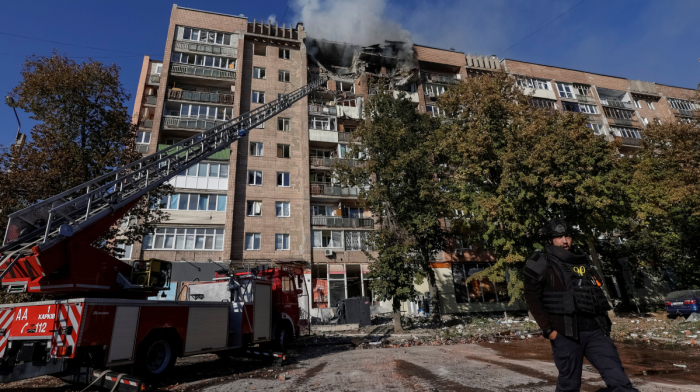
On 11 October, the company confirmed that a drone strike had damaged its facility in Vladimir, around 180 kilometres from Moscow, forcing a complete shutdown of the data centre.
No casualties were reported, and Yandex began assessing the damage and whether operations could be restored.
It was the third reported attack on the company’s data centres in a week. A facility in Sasovo, in the Ryazan region, was struck overnight on 7–8 October, followed by another reported attack in the Kaluga region on 9 October.
The damage disrupted several Yandex services, with the effects extending beyond Russia.
Outages expose Central Asia’s digital vulnerabilities
The incidents have exposed Central Asia’s reliance on digital infrastructure located beyond its borders, raising questions about the resilience of services used by millions of people.
With Yandex operating computing facilities across multiple countries, damage to infrastructure in Russia can trigger disruptions in neighbouring markets, highlighting the wider risks of cross-border technological dependence.
Read more:





















What is your opinion on this topic?
Leave the first comment