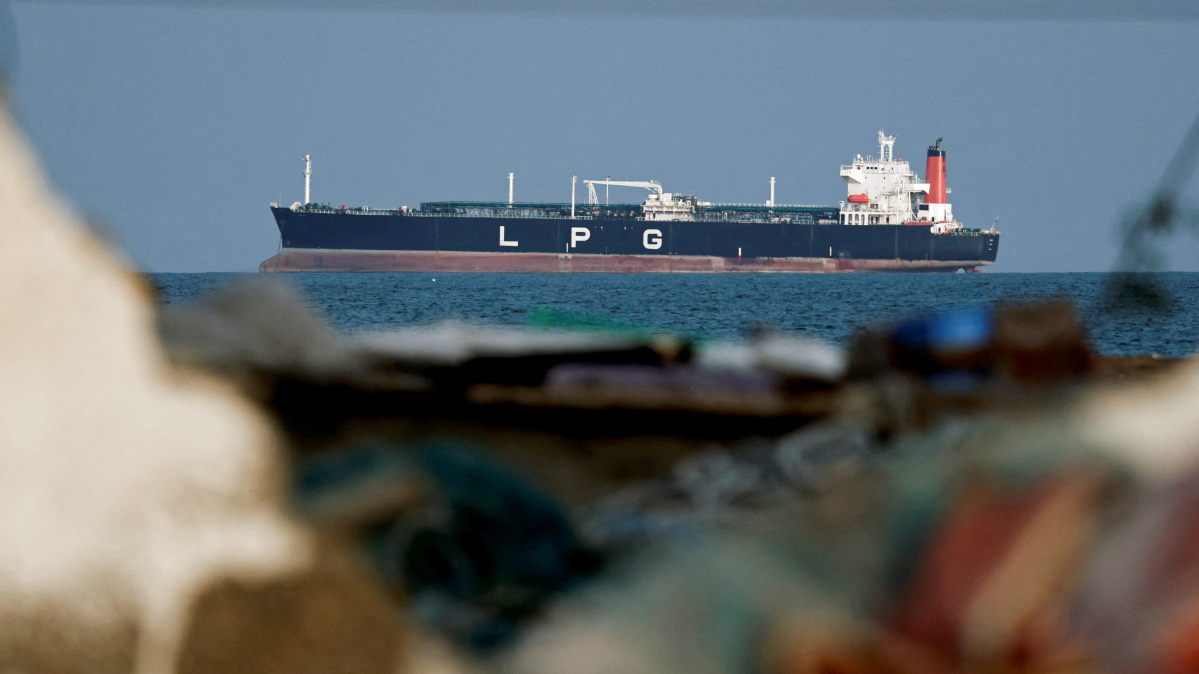
Two Indian-flagged tankers, Shivalik and Nanda Devi, carrying 92,700 metric tons of liquefied petroleum gas (LPG), are en route to India despite disruptions in the Strait of Hormuz caused by the ongoing U.S.-Israeli conflict with Iran, the Indian Foreign Ministry said on Saturday (14 March).
Spokesman Randhir Jaiswal did not specify the ships’ ports of departure.
The state-run Shipping Corporation of India (SCI) owns both vessels.
The strait, a key chokepoint for global energy shipments, has been effectively closed since the bombing campaign on Iran began. Tehran has largely halted traffic for the United States and its allies, though India has sought exemptions to secure the transit of goods and energy.
Prime Minister Narendra Modi said on Thursday that he had discussed the issue with Iranian President Masoud Pezeshkian.
On Friday, Iran’s ambassador to India, Mohammad Fathali, described the two countries as “friends” with shared interests and a common fate, signalling Tehran’s willingness to allow safe passage for some Indian vessels through the Strait of Hormuz amid the ongoing conflict.
Tracking data shows that Shivalik was last reported on March 12 near the UAE’s exclusive economic zone, while Nanda Devi was last seen on Friday in Iranian waters near the strait’s entrance.
Separately, a Saudi crude tanker is also expected to arrive in India on Saturday, carrying up to 1 million barrels for Hindustan Petroleum Corp (HPCL).
Critical shortage
India is facing its worst cooking gas shortage in decades, with imports supplying around 60% of domestic demand and nearly 90% of those coming from the Middle East.
India’s Ministry of Petroleum and Natural Gas announced on Saturday that consumers with piped natural gas (PNG) connections are now barred from retaining, obtaining, or refilling domestic LPG cylinders under an amended supply order.
The ministry said the amendment also prevents government oil companies from providing LPG connections or refills to households that already have PNG, as part of efforts to curb black marketing of cooking gas through raids and surprise inspections.
The government has also cut industrial gas allocations to prioritise households.
With at least 24 Indian-flagged vessels reportedly stuck in Gulf waters, the safe passage of these shipments is critical to easing energy shortages at home and maintaining stability in the country’s LPG supply chain.
















What is your opinion on this topic?
Leave the first comment