Explosion reported at Riyadh airport amid rising security concerns
A powerful explosion has been reported at King Khalid International Airport in Riyadh, raising fresh concerns over aviation security in Saudi Arabi...
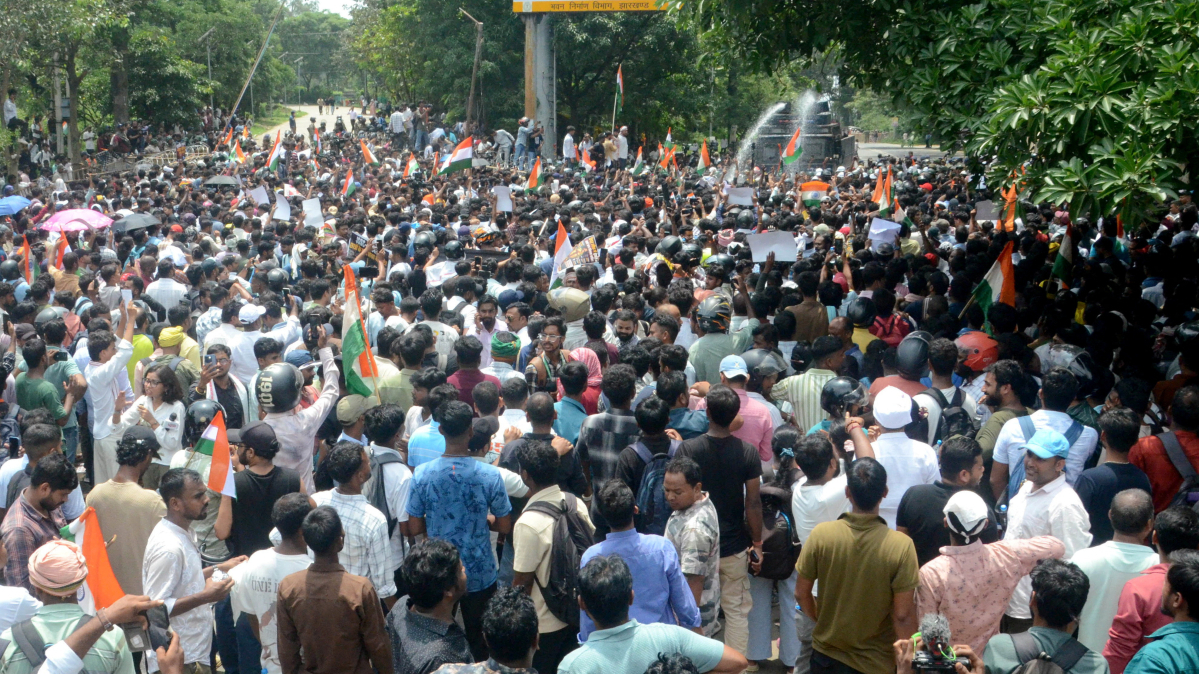
Police in eastern India used tear gas, batons and water cannon on Monday to disperse thousands of young protesters marching on the Jharkhand state legislature over alleged irregularities in civil service examinations.
Students and unemployed young people in Jharkhand, one of India's poorer states, launched protests late last month over alleged wrongdoing, including leaks of recruitment test papers.
The protests follow weeks of youth-led demonstrations in New Delhi, also linked to exam paper leaks, which led to the resignation of Education Minister Dharmendra Pradhan last month.
Police and paramilitary forces used tear gas, pellet guns and batons in New Delhi to scatter some 50,000 young protesters, some of whom clashed with police. The demonstrations were seen as reflecting anger over corruption in education, a lack of opportunities and unemployment.
Protesters in Jharkhand are demanding an overhaul of the state's examination system, the cancellation of some tests and an investigation by federal police.
The protests began on 25 July and intensified after thousands gathered at a stadium in the state capital, Ranchi.
On Monday, protesters marched on the state legislature, climbing over police barricades, holding placards, waving the national flag and shouting slogans as security was tightened.
Some pushed against barricades and scuffled with police, who responded by firing tear gas rounds, using water cannon and striking protesters with batons, TV footage showed.
Police said they had to use mild force after some protesters became violent.
"We showed minimal aggression for a really short time because they are just students," Ranchi city police chief Paras Rana told ANI news agency. "I appeal to everyone to be peaceful and not be violent. Your demands are reaching the government, do not show aggression."
The state government, which is ruled by a regional party opposed to Prime Minister Narendra Modi, has held talks with the protesters. It said most of their demands had been accepted and it remained open to further talks.

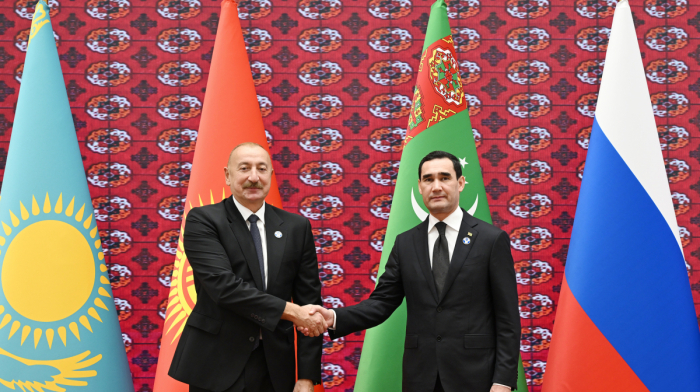
Leaders of countries from the Commonwealth of Independent States (CIS) have agreed to hold coordinated population censuses around 2030. They took the decision at the CIS Council of Heads of State meeting in Awaza, Turkmenistan on Friday, media reported.
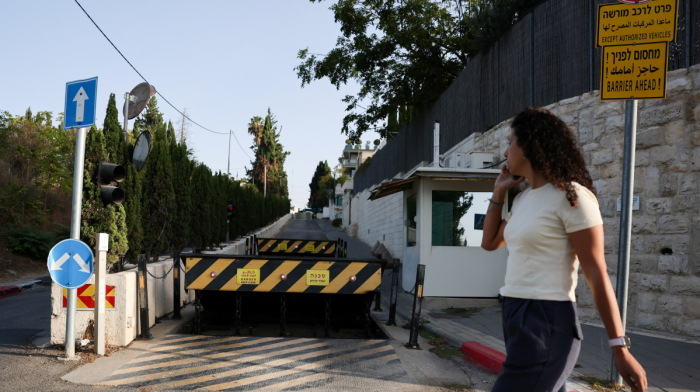
Britain and Israel have reached a temporary compromise over the future of the British Consulate General in East Jerusalem, easing a diplomatic dispute that had threatened to further strain relations between the two countries.
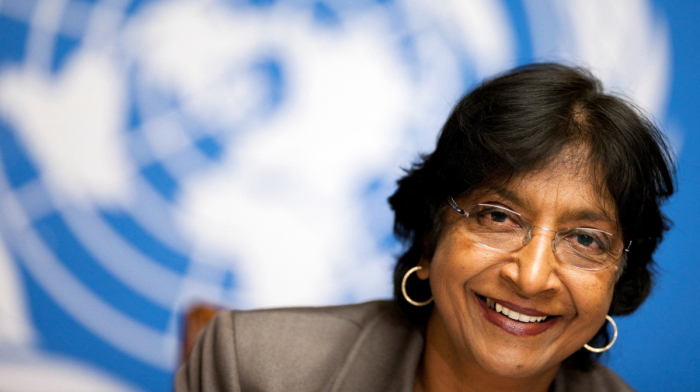
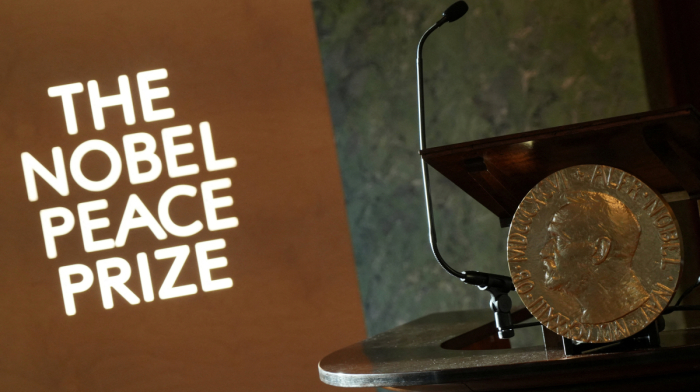
South African judge Navanethem “Navi” Pillay won the Nobel Peace Prize on Friday “for her efforts to promote peace and international law,” the Norwegian Nobel Committee said.
The Nobel Peace Prize 2026 will be announced on Friday, 9 October, bringing one of the world's most closely watched awards back into focus.
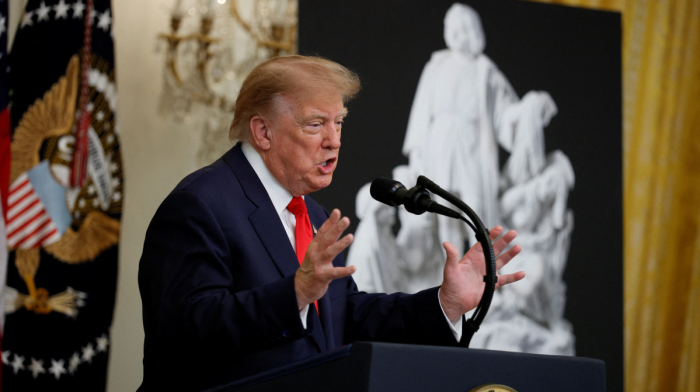
The U.S. has imposed sanctions on the International Criminal Court (ICC) on Friday (9 October) escalating tensions with European allies and potentially targeting companies that provide services to the tribunal. The move came hours after former ICC judge Navi Pillay won the Nobel Peace Prize.
A powerful explosion has been reported at King Khalid International Airport in Riyadh, raising fresh concerns over aviation security in Saudi Arabia as tensions across the region continue to escalate.
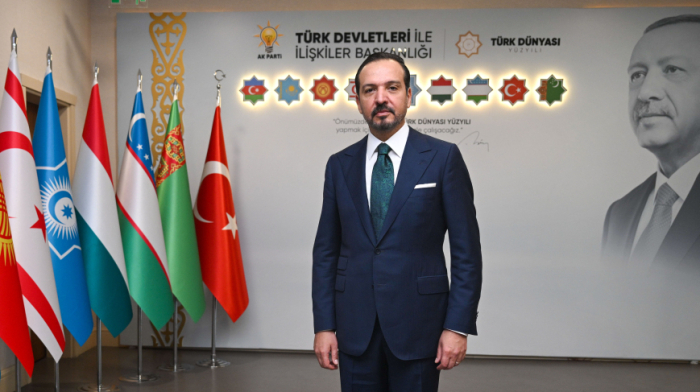
Turkic states are assessing the feasibility of passport-free travel between countries using national ID cards, Kürşad Zorlu, the Deputy Chairman of Türkiye’s ruling AK Party said on Saturday.
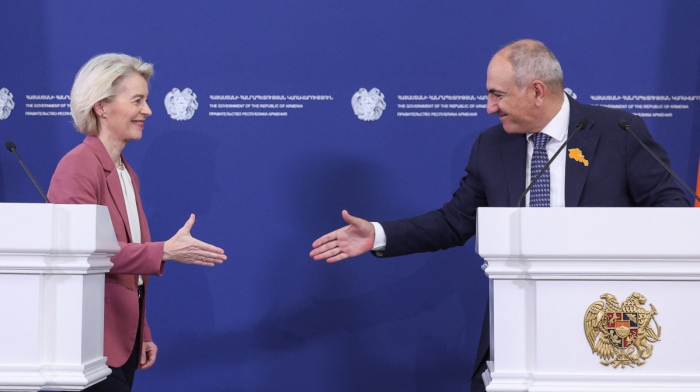
European Union measures suspending import duties on 80 per cent of Armenian exports to the bloc came into effect on Saturday. The temporary liberalisation measures are aimed at supporting Armenian producers and exporters following trade restrictions imposed on the country's products by Russia.
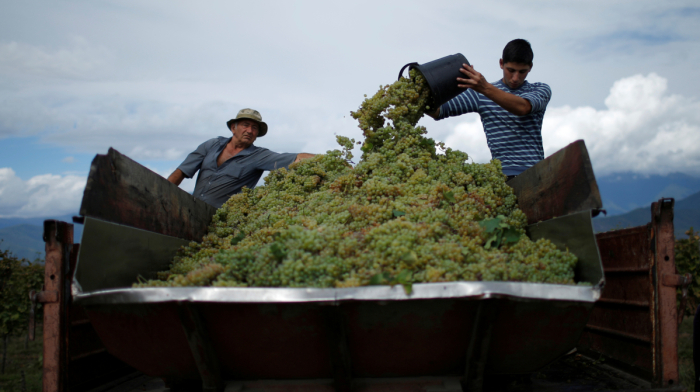
Georgia is enjoying one of its biggest and highest-quality grape harvests since independence. By 6 October, growers in the country's main wine-producing region, Kakheti, had delivered 182,210 tonnes of grapes, with 99 per cent rated medium or high quality, despite recent protests over prices.
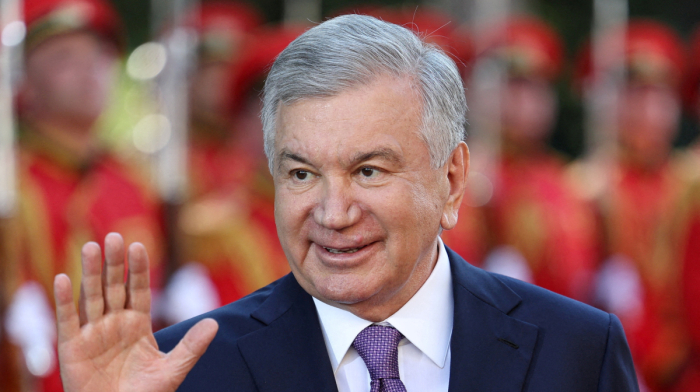
Uzbekistan has unveiled plans to deepen economic ties with Central Asia and Azerbaijan, proposing shared artificial intelligence infrastructure, a critical minerals alliance and a regional trade strategy extending to 2035.
You can download the AnewZ application from Play Store and the App Store.
What is your opinion on this topic?
Leave the first comment