Georgia plans to cover the overwhelming majority of its natural gas consumption in 2026 through imports from Azerbaijan, according to the gas balance approved by the Ministry of Economy and Sustainable Development
The decision highlights Azerbaijan’s continued dominance in Georgia’s energy mix while keeping Russian supplies limited and domestic production marginal.
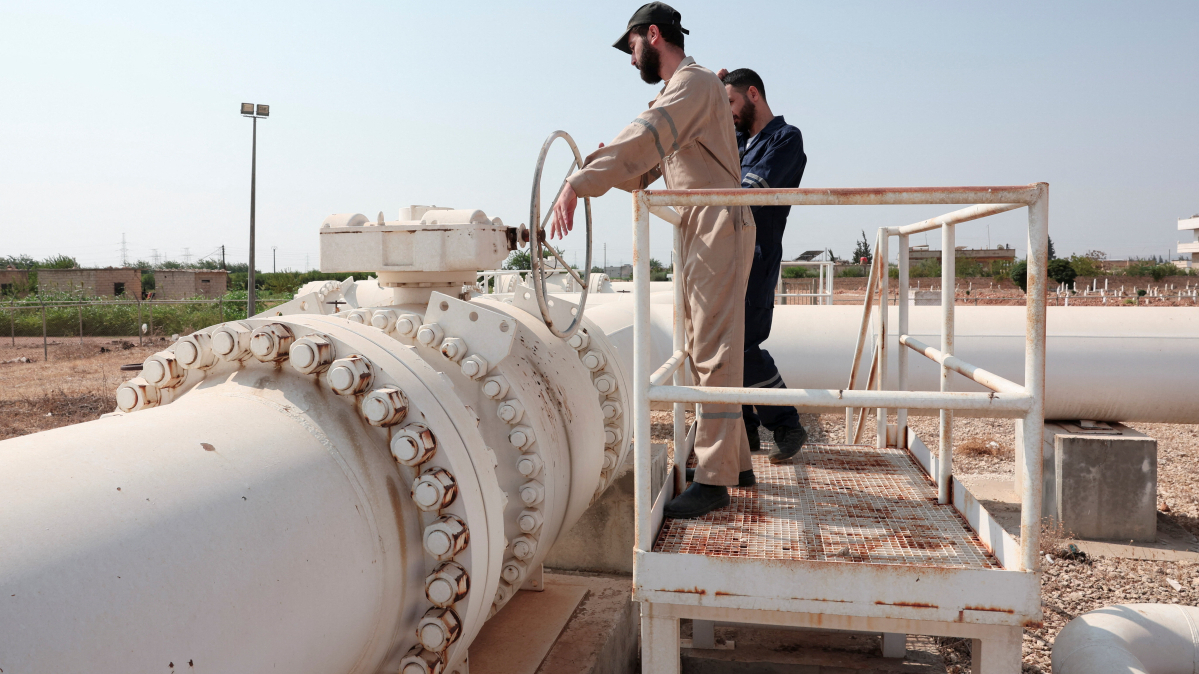
Under the approved balance, Georgia’s total natural gas imports in 2026 will amount to 3.34 billion cubic meters. Of this volume, 2.926 billion cubic meters — or 87.6% — will be imported from Azerbaijan.
By contrast, Russian gas supplies are projected at 400 million cubic meters, representing a significantly smaller share of total imports. Georgia’s own gas production is expected to remain minimal, at approximately 14 million cubic meters.
Georgia’s reliance on Azerbaijani gas is not new. For years, Azerbaijan has been the country’s main supplier, largely due to long-term agreements and infrastructure linked to the South Caucasus energy corridor. The 2026 figures indicate continuity rather than a policy shift, with Azerbaijan continuing to anchor Georgia’s energy security.
At the same time, the presence of Russian gas — though limited — suggests a pragmatic diversification approach rather than complete exclusion, allowing Georgia flexibility in managing seasonal demand and supply risks.
The planned import structure has broader regional significance. Azerbaijan’s dominant role strengthens Georgia’s integration into regional energy routes connecting the Caspian region to European markets.
This aligns with Georgia’s long-standing objective of positioning itself as a reliable transit and partner country in regional energy cooperation.
Reducing reliance on any single supplier, while maintaining Azerbaijan as the backbone of supply, allows Georgia to balance energy security, economic stability, and geopolitical caution amid ongoing regional tensions.
With domestic production covering only a fraction of demand, Georgia’s 2026 gas balance shows the strategic importance of stable import agreements. The figures reflect a policy focused on predictability, affordability, and regional partnerships rather than rapid diversification or structural change.
As energy markets remain volatile across Europe and the wider region, Georgia’s gas strategy for 2026 signals a deliberate effort to safeguard national energy needs while navigating complex geopolitical realities.

















What is your opinion on this topic?
Leave the first comment