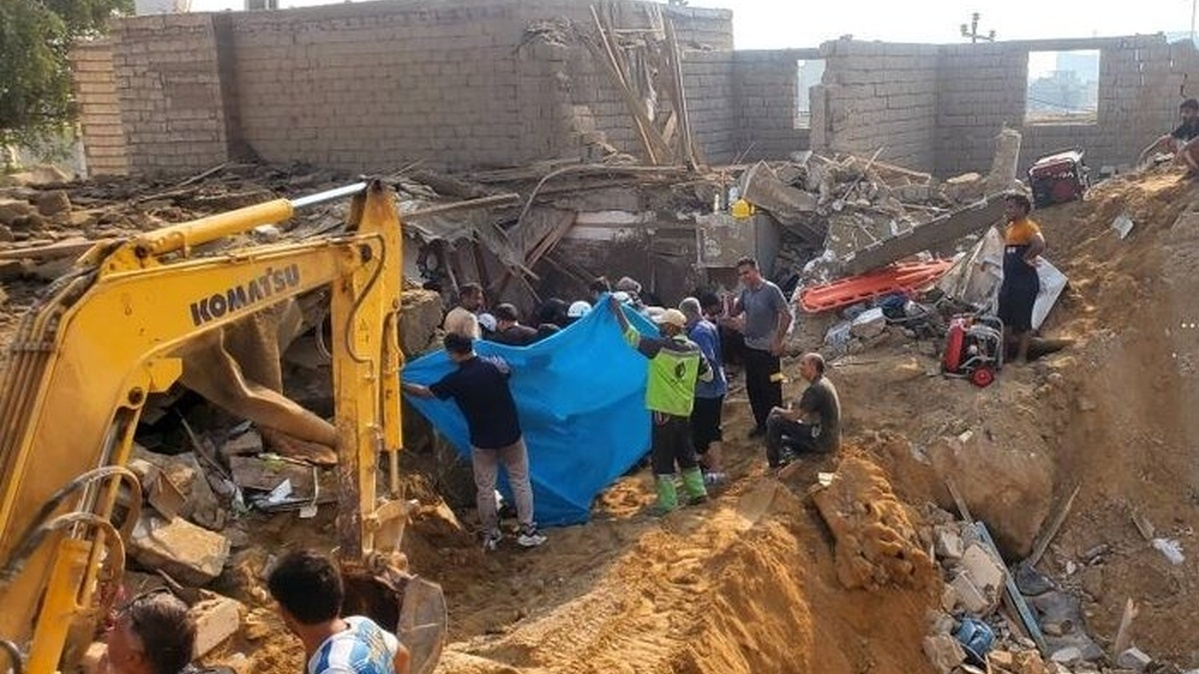
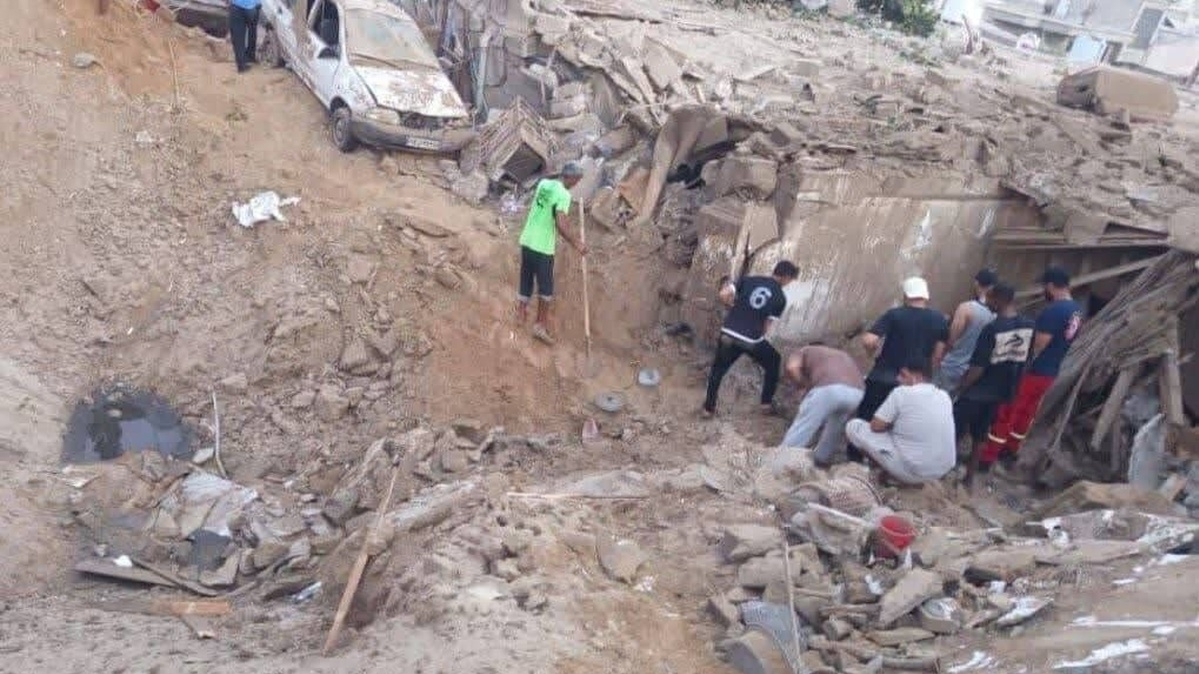
Iran’s Parliament Speaker Mohammad-Bagher Ghalibaf has promised that the U.S. will “pay the price” following what Iranian authorities said was a deadly strike on a residential building on Qeshm Island in the Persian Gulf that killed three members of a family.
Meanwhile, Foreign Ministry spokesperson Esmaeil Baghaei condemned the attack as a “crime reminiscent of ISIS acts of terrorism”.
Ghalibaf warned that the U.S. “will the pay the price” over Thursday’s strike on a house on Qeshm Island, at the Strait of Hormuz.
“Americans are used to making up for the slaps they receive on the battlefield by shedding the blood of innocents,” Tehran’s chief negotiator in the ceasefire talks with Washington said in a post on X.
Ghalibaf was referring to the air raid on Qeshm Island in the early hours of Thursday, following a few days of pause in retaliatory attacks between Iranian and U.S. forces over control of traffic through the strategic waterway.
Strategic importance of Qeshm Island
Qeshm, Iran’s largest island in the Persian Gulf, covers nearly 1,500 square kilometres and is home to around 150,000 people. It is known for its fishing traditions and its UNESCO-recognised geopark.
The island is also one of Iran’s key economic hubs, hosting ports, a free trade zone, shipbuilding yards, and oil and gas infrastructure.
Baghaei described the U.S. strike as a crime after it killed the parents of a family of five and their two-year-old son, saying it was reminiscent of acts of terrorism carried out by the Islamic State in Iraq and Syria (ISIS).
“These crimes which are reminiscent of ISIS's terrorist actions aim at punishing a nation for safeguarding its rights, dignity, and independence,” he added. “They will never generate authority or credibility for the criminals.”
Situated alongside the Strait of Hormuz, Qeshm’s strategic location has made it a major gateway for maritime commerce and regional trade, enabling Iran’s navy to monitor oil and gas tanker traffic through the waterway linking the Persian Gulf and the Gulf of Oman.
Iran reports retaliatory strikes
While U.S. officials say they are targeting military assets on the island used by Iran to launch retaliatory attacks linked to the dispute over control of the waterway, Tehran has condemned the air raids as violations of its sovereignty and breaches of international law.
U.S. officials have also, at times, spoken of a possible land operation to seize Iran’s southern islands, including the strategically important Qeshm Island.
“We (our Armed Forces) are expecting them!” Foreign Minister Abbas Araghchi once said in response to the verbal threats during a viral interview.
In the latest development, the Iranian Army announced on Friday that, in response to the strike on the residential building on Qeshm Island, it had launched kamikaze drones at fighter jet hangars, satellite communications systems and equipment warehouses used by the U.S. military at Ahmad al-Jaber Air Base in Kuwait, according to local news reports.
In a statement carried by Defa Press, a publication covering Iran’s military and defence affairs, the army also said it targeted Sheikh Isa Air Base in Bahrain late on Thursday, using Arash suicide drones against electricity generators, navigation systems, and administrative and logistical support buildings used by the U.S. military.
Read more from Iran:












What is your opinion on this topic?
Leave the first comment