Kazakhstan has begun redirecting part of its crude exports, sending oil from Kashagan to China as the Caspian Pipeline Consortium (CPC) operates at reduced capacity.
The move highlights the country’s reliance on a single export corridor and underscores the economic risks posed by infrastructure disruptions.
Speaking to AnewZ, Dr Nurbolat Nyshanbayev, Associate Professor at Turan University in Almaty, explained the significance of the CPC. He noted that more than 80% of Kazakhstan’s crude exports pass through the consortium, which accounts for roughly 80% of the country’s oil export revenue and nearly half of total export earnings.
"Even temporary disruptions to a single loading unit have direct economic consequences," he said.
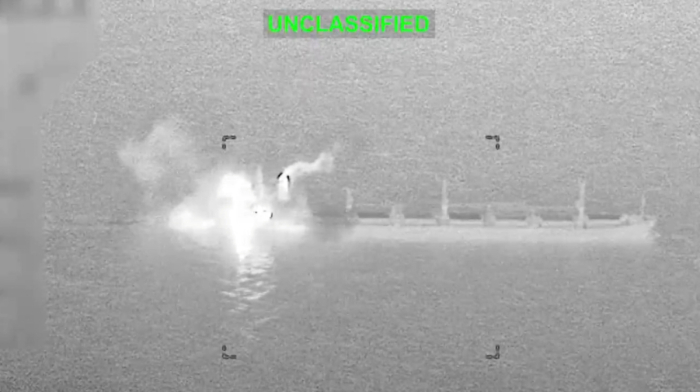
The recent rerouting follows a Ukrainian drone strike on 29 November that damaged one of the CPC’s three offshore loading units in Novorossiysk, while another unit was already undergoing maintenance.
With only one terminal now operational, Kazakhstan shipped 50,000 tonnes of Kashagan crude to China in December- 30,000 tonnes supplied by CNPC and 20,000 tonnes by Japan’s Inpex, both members of the North Caspian Operating Company.
The shipment travelled via the Atasu–Alashankou pipeline, a route rarely used for Kashagan volumes.
“The incident has renewed discussion over why Kazakhstan remains so dependent on a single export route, in which Russia plays a central role,” Dr. Nyshanbayev added.
He noted that alternative pipelines exist but are less profitable and have lower capacity. Until recently, demand for these routes was limited, as major buyers, including China and Türkiye, purchased discounted Russian crude.
Technical constraints also prevent a full shift of export volumes away from the CPC.
From a strategic perspective, the strike has accelerated Kazakhstan’s efforts to diversify its oil exports. Delivering Kashagan crude to China represents both an immediate operational response and a broader move to reduce reliance on the CPC.
Analysts say diversification is becoming a strategic necessity amid growing geopolitical risks, particularly as the Black Sea region remains unstable.
Kazakhstan’s Ministry of Foreign Affairs condemned the attack as a “targeted strike on civilian infrastructure,” calling on Kyiv to prevent similar actions. Ukraine stressed that its operations were not directed at Kazakhstan or third countries and were carried out under the UN Charter’s Article 51.
As the country navigates these challenges, the resilience of its export infrastructure is emerging as a central issue for Kazakhstan’s energy strategy, with experts highlighting the urgent need for alternative routes and enhanced logistical capacity to safeguard both revenue and national economic stability.














What is your opinion on this topic?
Leave the first comment