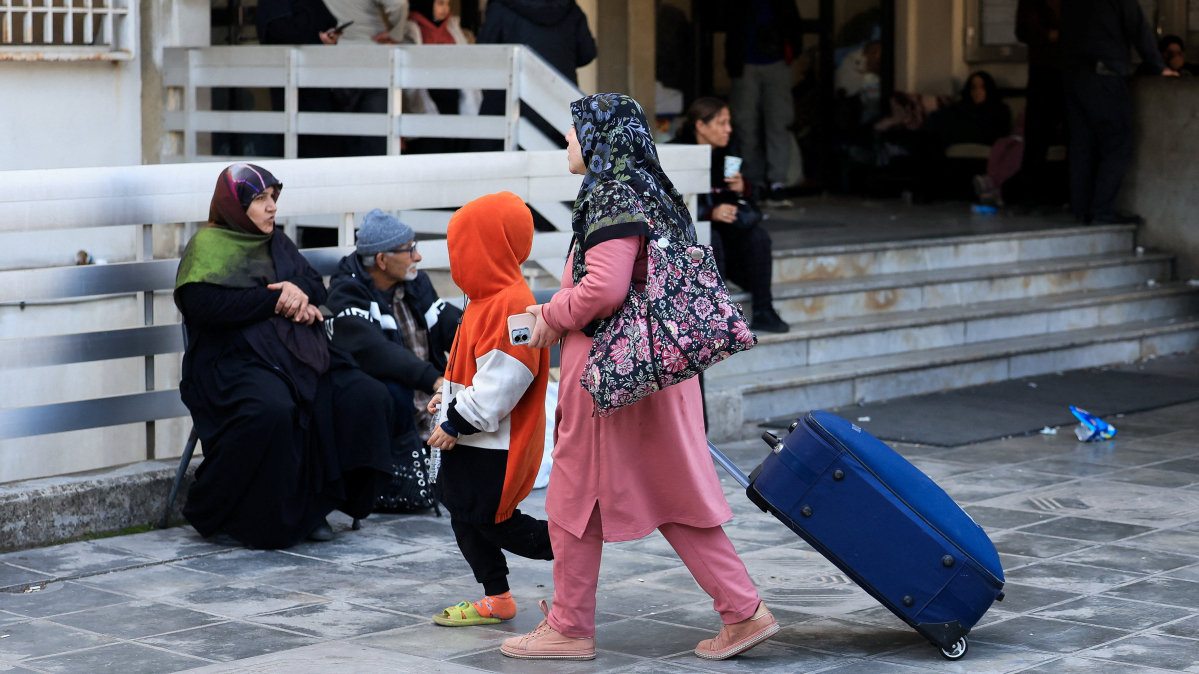
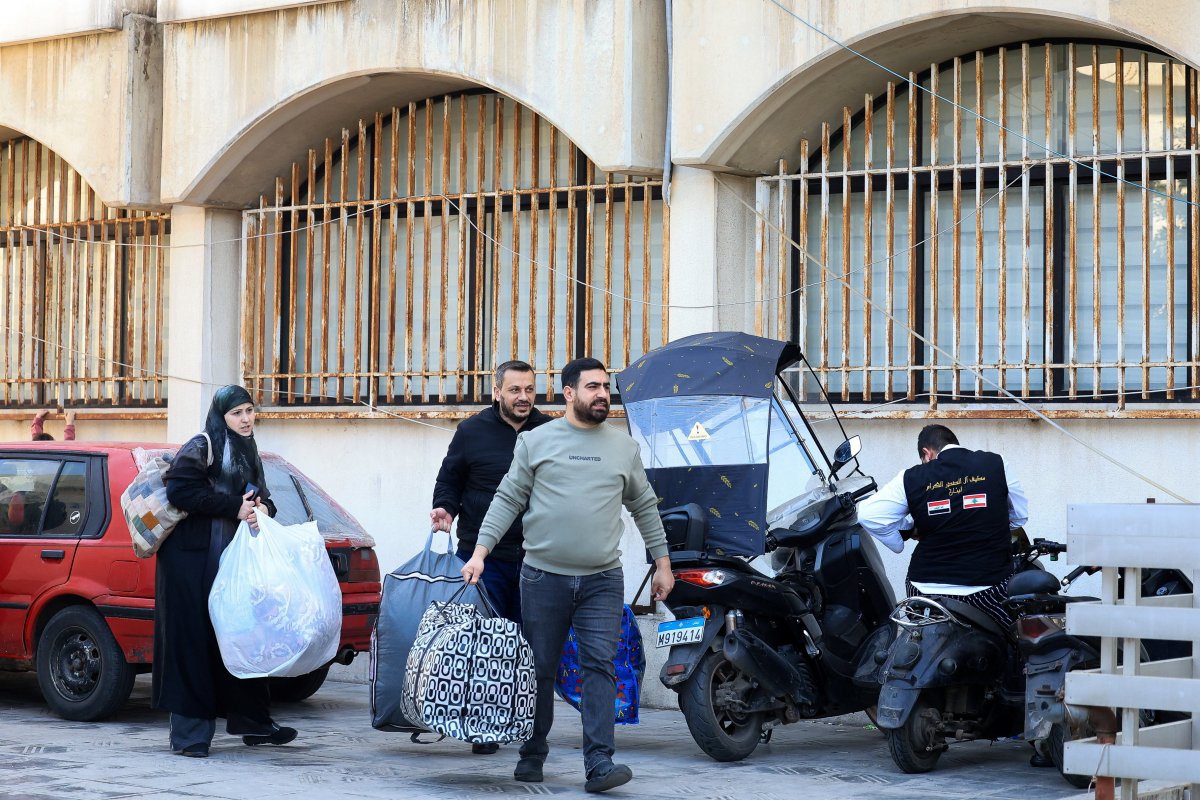
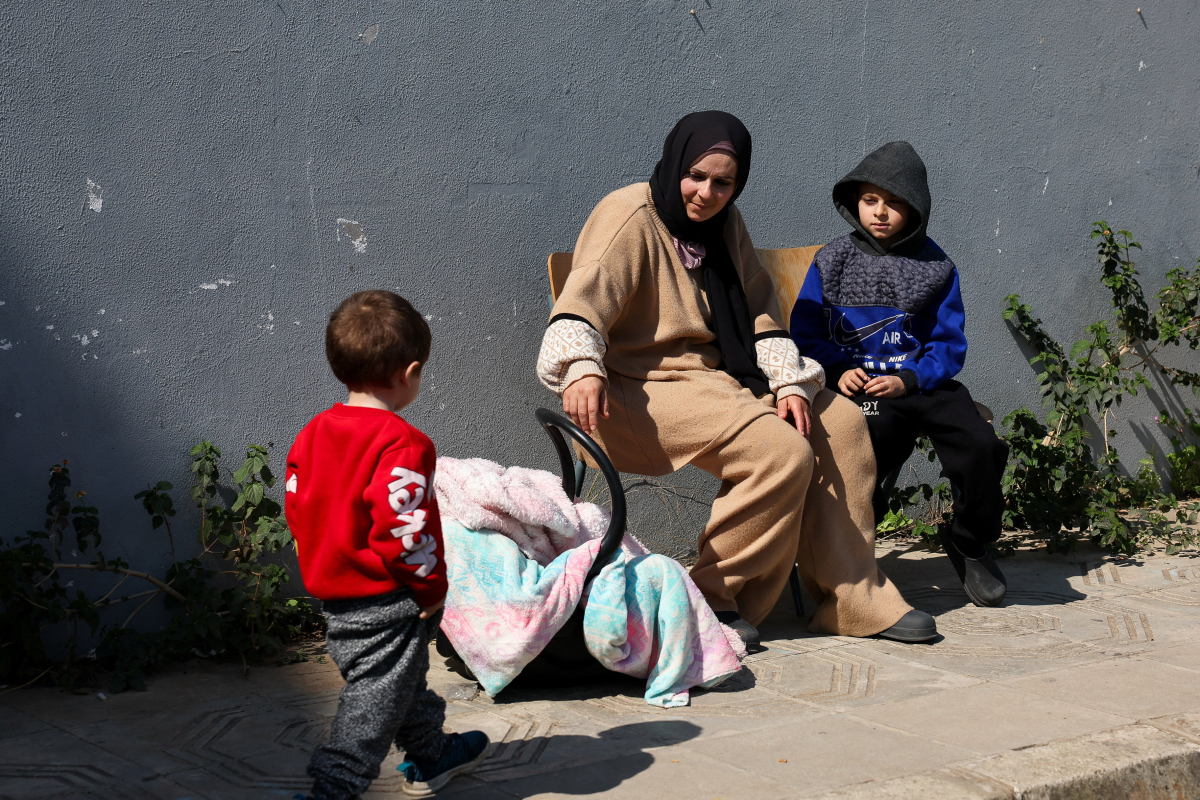
At least 30,000 displaced people have sought protection in shelters across Lebanon following an escalation in hostilities between Israel and Hezbollah, the United Nations refugee agency said on Tuesday, and added that many more were expected to join them.
The Israeli military has conducted intense air strikes across the country since Monday, prompting mass evacuations of people from areas. This military action followed Hezbollah rocket fire aimed at Israel late on Sunday, which occurred in reaction to U.S. and Israeli strikes against Iran.
"Conservative estimates suggest that nearly 30,000 people were hosted and registered at collective shelters," said UNHCR spokesperson Babar Baloch.
"Many more slept in their cars on the side of roads or were still stuck in traffic jams," he added.
Shelter capacity and refugee movement
The U.N. World Food Program expects the number of displaced individuals to rise significantly in the coming days. The Lebanese government said it has opened 21 official shelters to accommodate the growing numbers, though it said that resources remain stretched.
The UNHCR also reported a sudden increase in Syrian refugees moving from Lebanon back into Syria to escape the violence. The agency is implementing a contingency plan to manage a potential further influx of people crossing the border.
Lebanon hosts approximately 1.5 million Syrians alongside a domestic population of 4 million, representing the highest concentration of refugees per capita globally. Most of the 6 million Syrians who fled the 2011 conflict sought refuge in neighbouring countries such as Türkiye, Lebanon, and Jordan.
Compounding national crises
The current conflict exacerbates a severe, years-long economic collapse that has already pushed much of the Lebanese population into poverty. The country has struggled to maintain basic public services following compounding disasters, including the 2020 Beirut port explosion and widespread political instability.
Humanitarian organisations warn that the national infrastructure is ill-equipped to handle a new wave of mass displacement. Essential resources such as clean water, fuel, and medical supplies were already in short supply before the recent military escalation.
Impact on civilians
UNICEF warned that children in Lebanon's densely populated residential areas are at immediate risk from the ongoing air strikes. The agency reported that seven children have been killed and 38 injured since Monday, with casualty numbers expected to climb.
"Each new escalation expands the circle of harm. Residential areas, schools and critical infrastructure are being affected," UNICEF spokesperson Ricardo Pires said.
He emphasised that each new escalation expands the circle of harm, leaving vulnerable families with nowhere safe to turn.














What is your opinion on this topic?
Leave the first comment