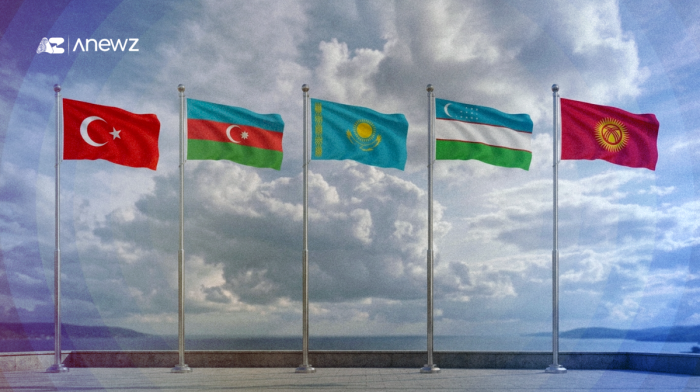
Can the Organisation of Turkic States help fill Eurasia’s security vacuum?
Eurasia is no longer a passive space shaped by great powers but an active arena of contestation involving multiple overlapping conflicts and competing connectivity projects.
The post-pandemic period marked a turning point in global debates over politics, economics, and governance. In late 2022, the release of ChatGPT accelerated the shift from abstract discussions of artificial intelligence to its everyday relevance.
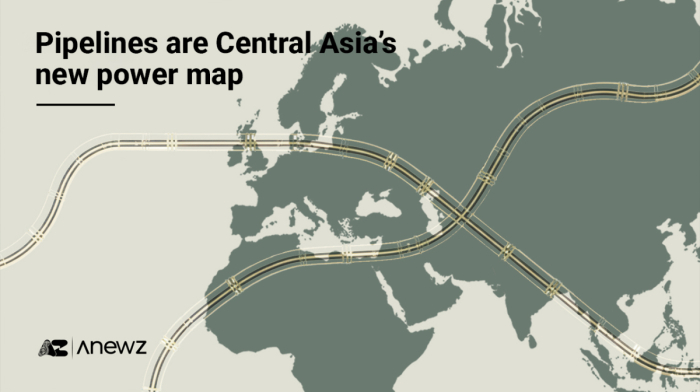
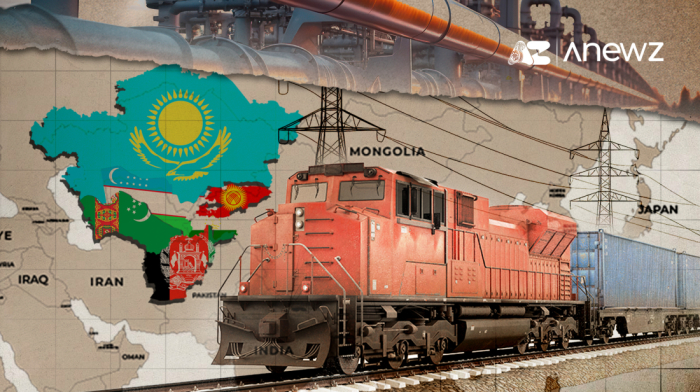
Pipeline routes in Central Asia are a historically embedded and structurally constrained form of geopolitics. In this region, infrastructure serves as a means of transportation and a crucial instrument of power and strategic autonomy.
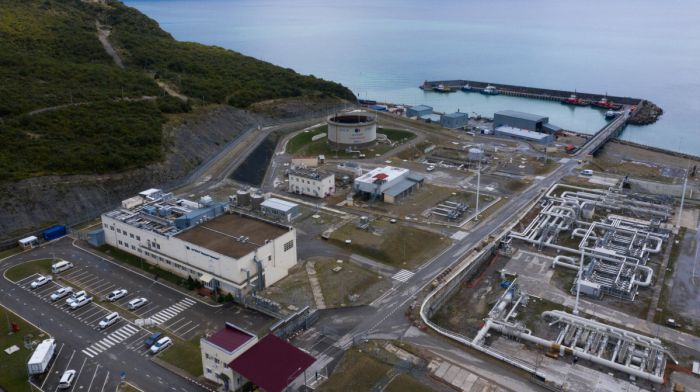
Kazakhstan has begun redirecting part of its crude exports, sending oil from Kashagan to China as the Caspian Pipeline Consortium (CPC) operates at reduced capacity.
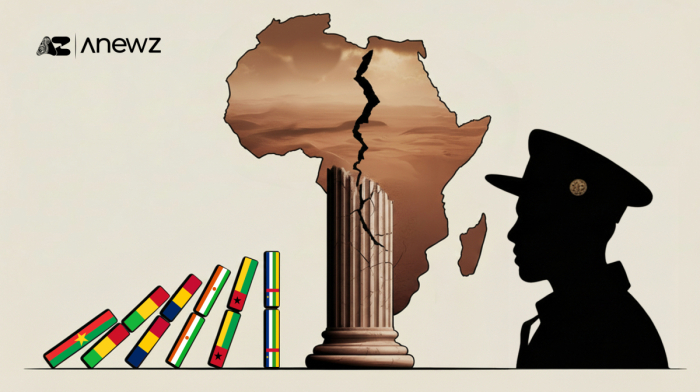
Military coups have reappeared across West Africa and the Sahel. Recent events in Guinea-Bissau and coup attempt in Benin add to a growing list of abrupt power shifts over the past five years.
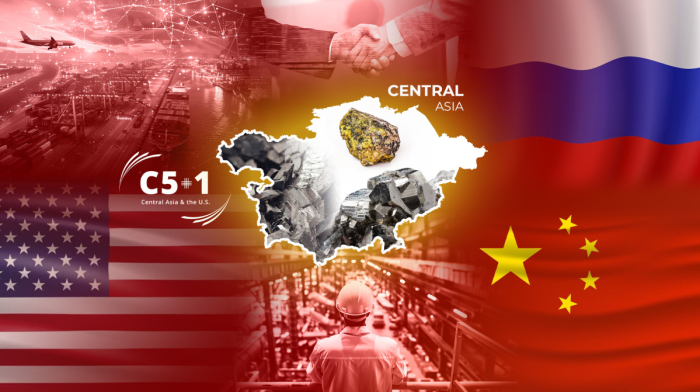
Global media outlets have extensively covered the C5+1 Summit held in Washington, highlighting its significant outcomes for both the United States and Central Asian countries.
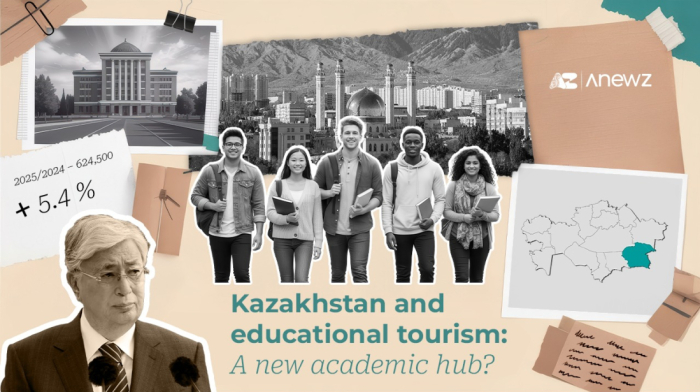
Kazakhstan aims to attract foreign universities and regional talent to position itself as a leading education hub
Is Syria turning to the West or striving to preserve geopolitical balance?
You can download the AnewZ application from Play Store and the App Store.