live Ceasefire strains as Israel intensifies attacks on Hezbollah in Lebanon killing hundreds - Thursday 9 April
Iran suggested it would be "unreasonable" to proceed with talks to forge a permanent peace d...
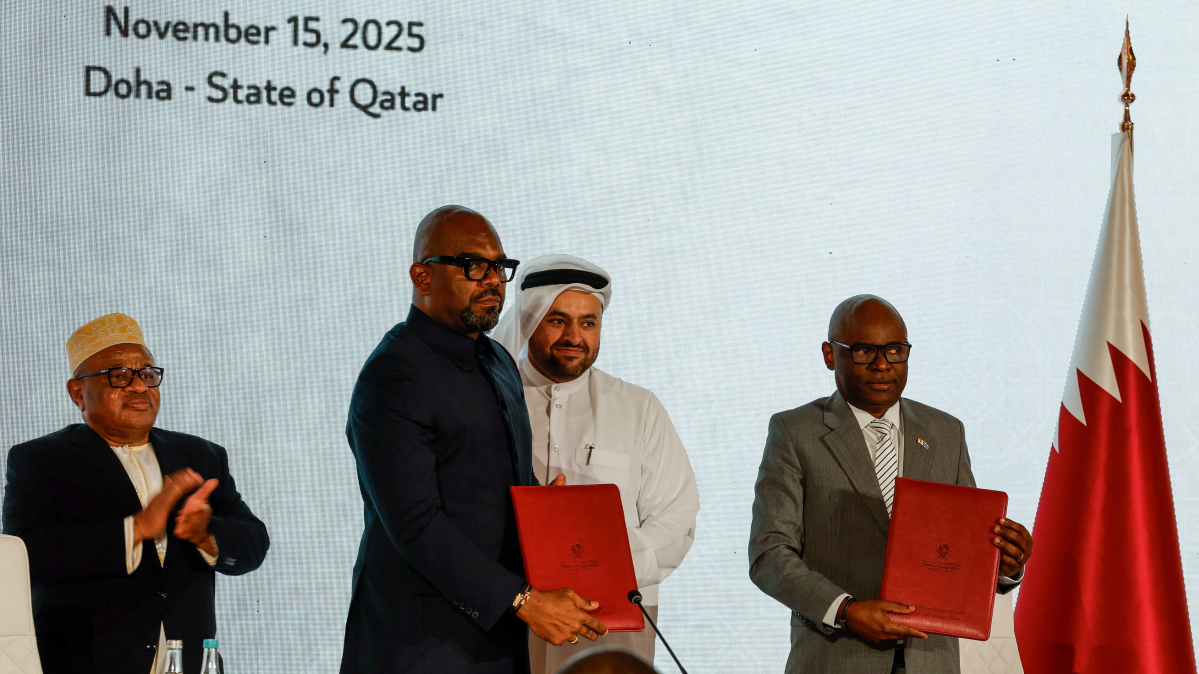
The Democratic Republic of Congo and the M23 rebel group signed a framework agreement on Saturday (15 November) for a peace deal aimed at ending the ongoing conflict in eastern DR Congo, which has resulted in thousands of deaths and the displacement of hundreds of thousands this year.
The agreement was signed by representatives from both sides at a ceremony in Doha, Qatar. It marks the latest in a series of documents signed in recent months, with the backing of the United States and Qatar, to resolve the decades-long conflict in the Democratic Republic of Congo, which has often threatened to escalate into a regional war.
While U.S. and Qatari officials described the framework as a significant step towards peace, they acknowledged that much work remains to be done.
Massad Boulos, the top U.S. envoy to the region, stated that the framework includes eight protocols, six of which still require agreement on implementation. He also noted that the implementation of the first two protocols, regarding the exchange of prisoners and monitoring a ceasefire had been slow.
The M23 rebel group, which has received support from neighbouring Rwanda, captured Goma, eastern DRC's largest city, in January and made further territorial gains across North Kivu and South Kivu provinces.
However, Rwanda has denied any involvement with M23, despite the group's increased territorial control.
Violence in DRC continues even as diplomatic efforts progress. On Friday, local officials reported that up to 28 people were killed by Islamic State-allied militants in North Kivu. Qatar has hosted several rounds of direct talks since April, focusing primarily on preconditions and building trust between the two sides.
The two parties reached an agreement in July on a declaration of principles, though key issues at the heart of the conflict remain unresolved. In October, they agreed to monitor a future ceasefire. Qatar’s Minister of State for Foreign Affairs, Mohammed bin Abdulaziz Al-Khulaifi, stated that Saturday's agreement set the stage for peace, emphasising that peace is built through confidence, mutual respect, and sincere commitment, rather than by force.

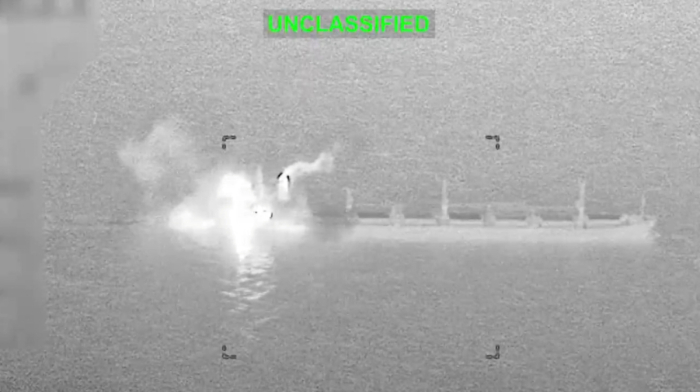
China and Russia vetoed a United Nations Security Council resolution on Tuesday aimed at coordinating defensive efforts to protect commercial shipping in the Strait of Hormuz, leaving no agreed international framework for securing the vital route.
Lebanon’s Hezbollah said it had stopped firing on northern Israel and Israeli forces on Wednesday as part of a two-week ceasefire in the Middle East brokered between the United States and Iran. However, a Hezbollah lawmaker warned that the pause could collapse if Tel Aviv does not adhere to it.
Pakistan’s Prime Minister Shehbaz Sharif said Iran and the United States, along with their allies, have agreed to an immediate two-week ceasefire covering all areas, but Israel says the deal excludes Lebanon. Tel Aviv says the U.S. is committed to achieving shared goals in upcoming negotiations.
Recent U.S. complaints about NATO allies and threats to quit the alliance are pushing European countries to seek alternative security arrangements, Spanish Foreign Minister Jose Manuel Albares said on Tuesday.
Construction has begun on a major new solar power project in Xizang, as China continues to expand its renewable energy capacity and push towards a greener future.
North Korea has tested a new cluster-bomb warhead mounted on a tactical ballistic missile, alongside advanced electromagnetic and infrastructure-targeting weapons, in a significant escalation of its military capabilities.
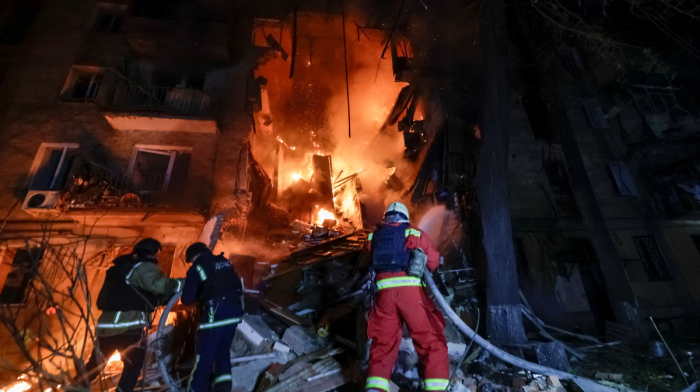
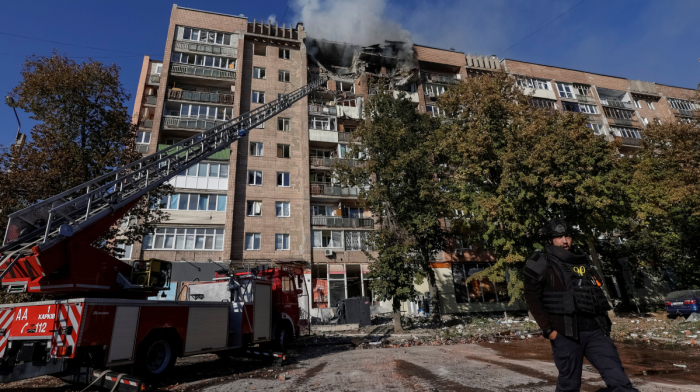
A barrage of Russian drones targeted and damaged a critical power substation in Ukraine's southern Odesa region on Wednesday, Ukrainian officials confirmed.
Start your day informed with the AnewZ Morning Brief. Here are the top stories for 9 April, covering the latest developments you need to know.
Greece will ban access to social media for children under 15 from 1 January 2027, Prime Minister Kyriakos Mitsotakis said on Wednesday, citing rising anxiety, sleep problems and the addictive design of online platforms.
Trade discussions between China and the U.S. are expected to remain virtual for now, with no major investment initiatives planned before a potential meeting between Xi Jinping and Donald Trump, according to U.S. Trade Representative Jamieson Greer.
You can download the AnewZ application from Play Store and the App Store.
What is your opinion on this topic?
Leave the first comment