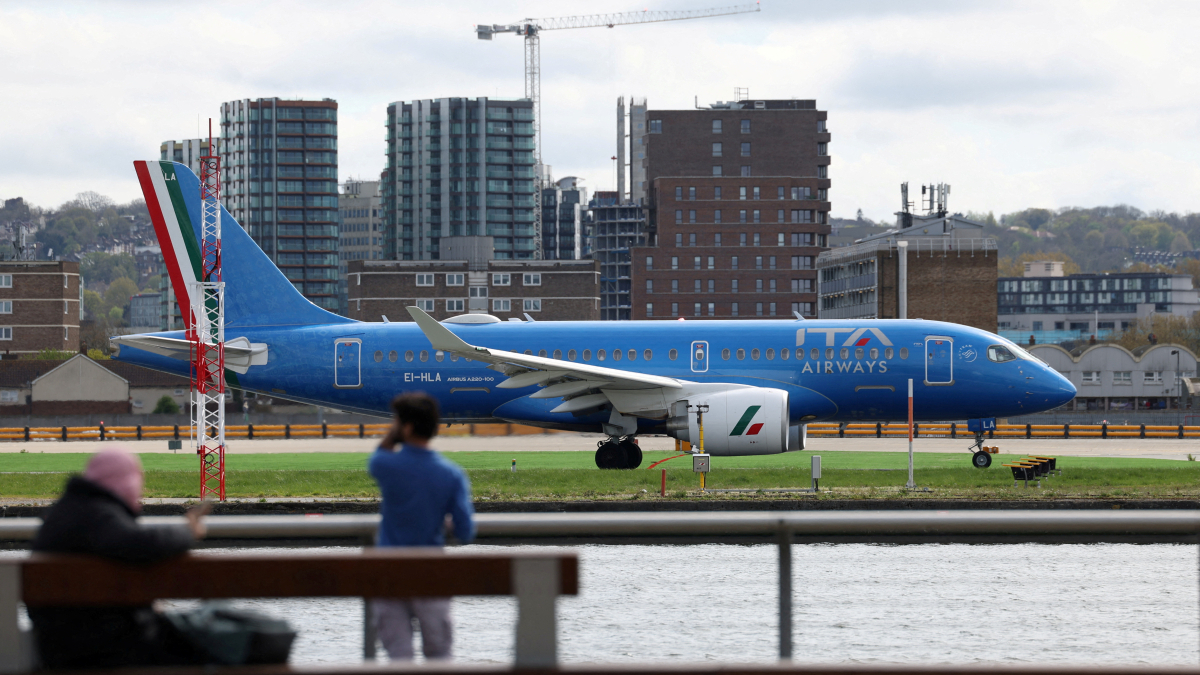
ITA Airways is preparing to raise ticket prices by between 5% and 10% this year as soaring fuel costs linked to the conflict involving Iran, Israel and the U.S. continue to pressure airlines worldwide.
The Italian national carrier said it has no plans to reduce flights despite the sharp increase in jet fuel prices. Chief executive Joerg Eberhart said the company has already secured around 80% of its fuel needs for the rest of the year through hedging agreements.
Airlines across Europe and Asia have been grappling with rising operating costs and disrupted flight routes as tensions in the Middle East affect global aviation and energy markets. Several carriers have introduced fuel surcharges, adjusted schedules and revised financial forecasts in recent months.
Fuel prices ‘twice as high’ as before crisis
Speaking to reporters in Rome, Eberhart said the scale of the increase in fuel prices had created significant challenges for the industry.
“Fuel now costs twice as much as it did before the crisis,” he said. “Jet fuel accounts for some 30% of our total costs. Without hedging we would have to increase prices by 30%, and this would be difficult.”
The airline, which is controlled by Lufthansa, said it is also exploring other ways to offset higher costs. These include improving fuel efficiency, modernising its fleet and expanding long-haul services, particularly in Asia, where travel demand remains strong despite disruption elsewhere in the region.
As part of that strategy, ITA Airways plans to lower the average age of its aircraft by introducing newer, more fuel-efficient jets.
Airline focuses on fuel efficiency and expansion
The carrier has also been forced to suspend flights to Tel Aviv, Riyadh and Dubai until the end of the month because of instability in the region. Eberhart said the airline could lose around €10 million ($11.7 million) if all three routes remain closed for the rest of the year.
Despite the ongoing disruption, the airline said it does not currently expect to change its broader business strategy.
Eberhart added that oil markets could take at least six months to stabilise after the conflict ends, but said the company believes most additional fuel costs can be absorbed through a combination of higher fares and hedging protections.
Lufthansa stake increase still under discussion
Attention is also turning to the future ownership of ITA Airways. Lufthansa currently owns 41% of the airline, while the remaining stake is held by Italy’s Economy Ministry.
Under an agreement signed with Rome, the German group has the option to increase its stake to 90% from June 2026.
Eberhart said closer integration with Lufthansa would strengthen ITA’s position within the wider group, particularly on South American routes, where the airline already operates an extensive network.












What is your opinion on this topic?
Leave the first comment