European airlines are facing their biggest challenge since the COVID-19 pandemic as the Iran war pushes up jet fuel prices and buffets travel through the Middle East, casting a shadow over the summer holiday season.
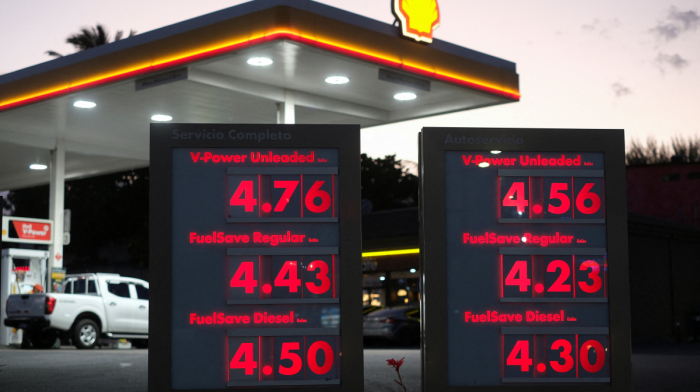
Carriers have been largely riding out the crisis with hedges that have tamed costs even as the price of jet fuel has risen nearly 84% since the start of the conflict on 28 February.
"There is a risk that we'll see rationing of fuel supply, particularly in Asia and Europe," Willie Walsh, head of the International Air Transport Association said.
Walsh said, however, that the situation was not yet as bad as the disruption caused by the COVID-19 pandemic in 2020, which led to travel demand plummeting and hundreds of billions of dollars in losses for the aviation sector.
"I think COVID was on a completely different scale," Walsh added.
Jet fuel price hedges start to run out
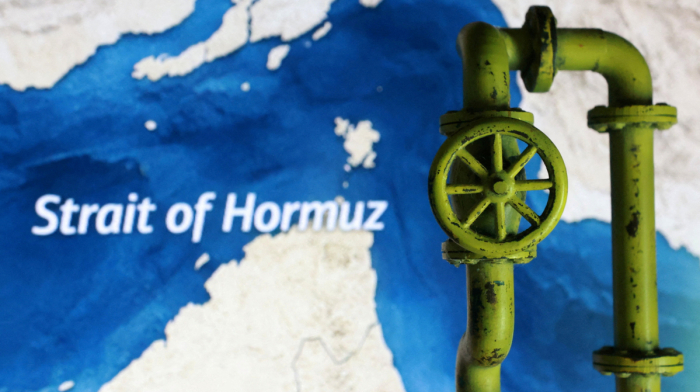
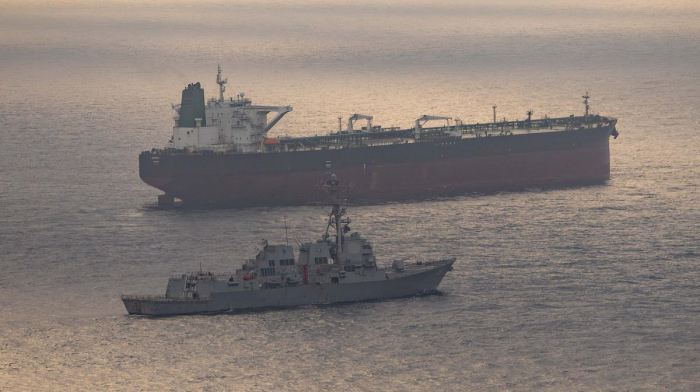
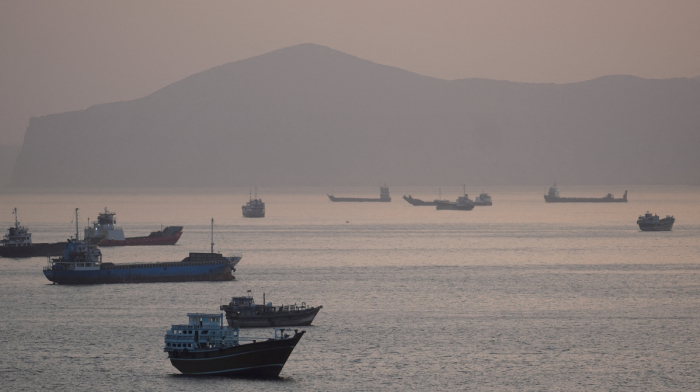
The war has hit airline shares, with on-again-off-again peace talks to end the conflict and re-open the critical Strait of Hormuz to normalise global oil and gas flows in what is the worst energy crisis in decades.
Airlines are now warning about their hedges, which help lock in set prices - running out, with outlooks increasingly murky as people delay booking travel or make plans closer to home to avoid potential disruption and higher fares.
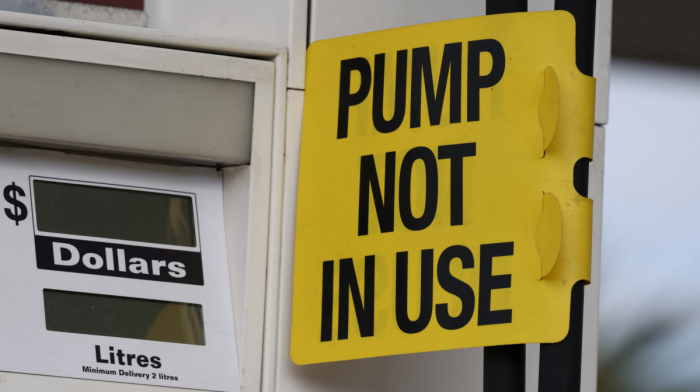
Sweden's Energy Minister Ebba Busch on Tuesday fired an "early warning" about potential jet fuel shortages despite good current supply, cautioning Swedes to think through travel plans.
European budget airline Wizz Air CEO József Váradi said on Monday that summer bookings were strong. However, easyJet and tour operator TUI announced declines in forward bookings and issued profit warnings in recent weeks.
Váradi, meanwhile, cautioned that even an end to the conflict would not quickly resolve high fuel prices.
"Even if the war is stopped in Iran, I don't think this is going to put the fuel price back to what it used to be two months ago," he told reporters in London.
Winners and losers
Gulf airlines have been the hardest hit, with data from Cirium Ascend showing that flights operated by Middle Eastern operators dropped 50% year-on-year in March, while bookings for Q2 and Q3 connecting via the main Gulf hubs are down 42.5%.
Global passenger capacity, however, remains up near 2% so far in 2026 versus 2025, it said, underscoring wider resilience.
The crisis has though dampened margins and sharpened the gap between weaker and stronger players.
Some have dodged the impact. Finland's flag carrier Finnair said the crisis had so far had a net positive impact with more demand for its Asian flights. Budget airline Norwegian on Tuesday brushed off jet fuel supply risks.
















What is your opinion on this topic?
Leave the first comment