U.S. and Iran launch new attacks as they wrestle for control of Hormuz
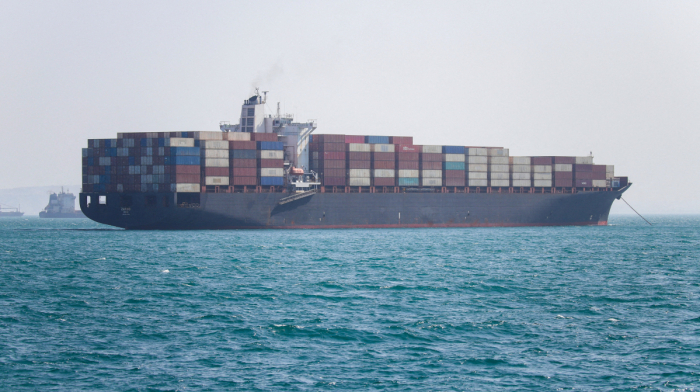
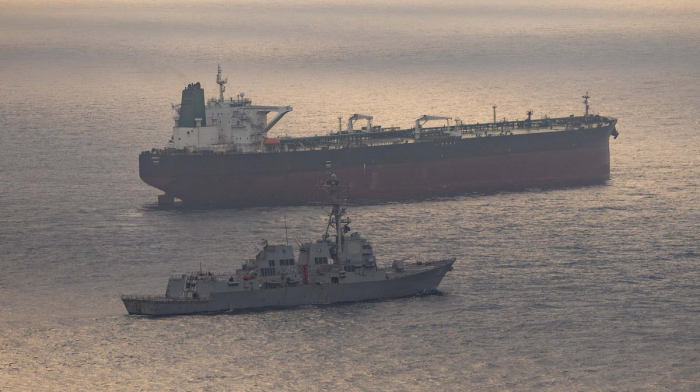
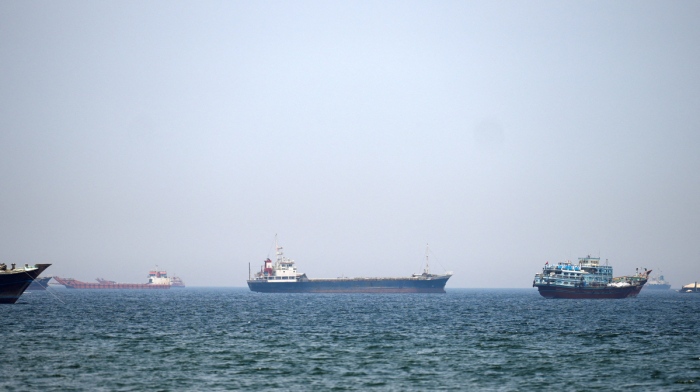
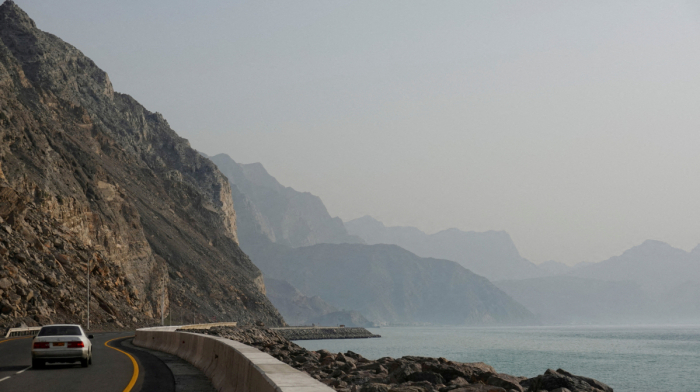
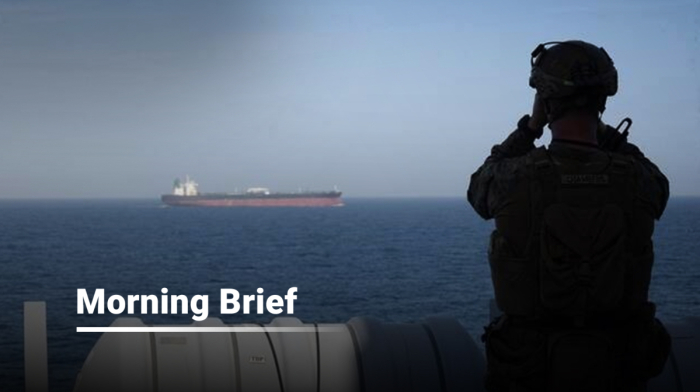
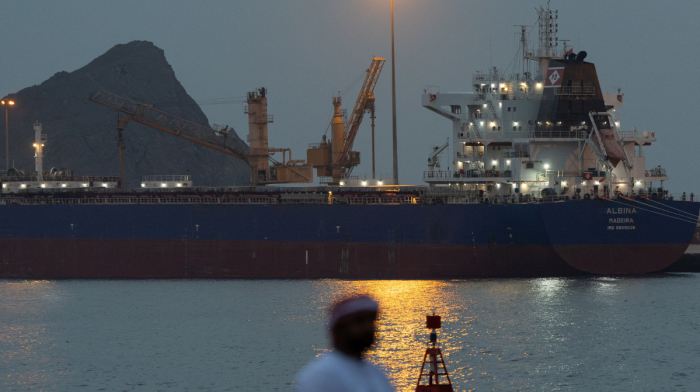
The U.S. and Iran launched new attacks in the Gulf on Monday as they wrestled for control over the Strait of Hormuz with duelling maritime blockades, shaking a fragile ceasefire.
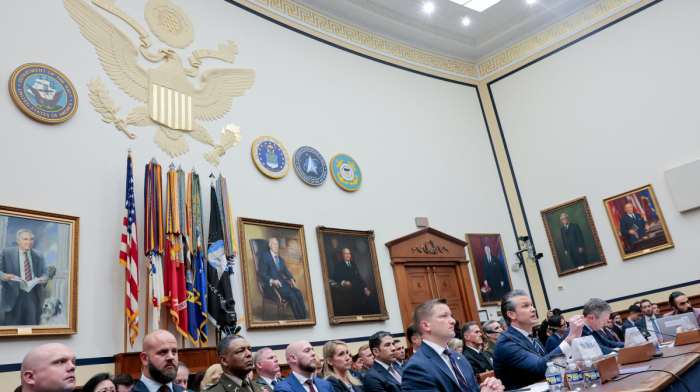
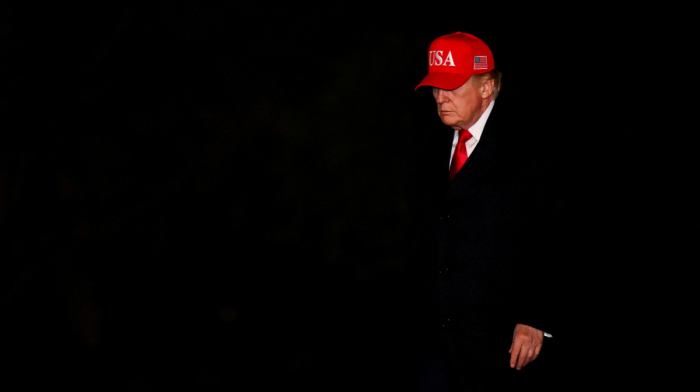
A Pentagon official provided the first official estimate of the cost of the U.S. war in Iran on Wednesday (29 April), telling lawmakers that $25 billion had so far been spent on the conflict, most of it on munitions. Earlier, Donald Trump said that the U.S. had "militarily defeated" Tehran.
Iran’s Supreme Leader Mojtaba Khamenei warned “foreigners who commit evil” have no place in the Gulf, outlining a “new phase” for the Strait of Hormuz, while a senior adviser said U.S. blockade efforts would fail and could trigger confrontation.
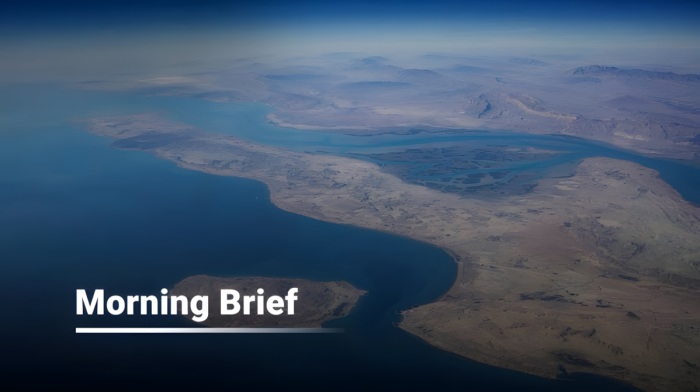
Start your day informed with the AnewZ Morning Brief. Here are the top stories for the 30th of April, covering the latest developments you need to know.
President Donald Trump discussed how to mitigate the impact of a possible months-long U.S. blockade of Iran's ports with oil companies, a White House official said on Wednesday, as the U.S. renewed its calls for other nations to help open the Strait of Hormuz.
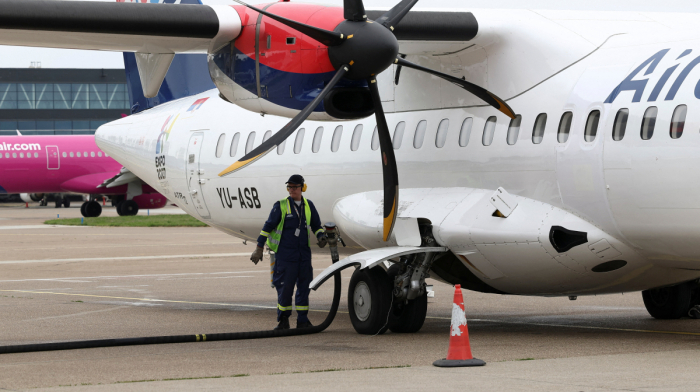
European airlines are facing their biggest challenge since the COVID-19 pandemic as the Iran war pushes up jet fuel prices and buffets travel through the Middle East, casting a shadow over the summer holiday season.
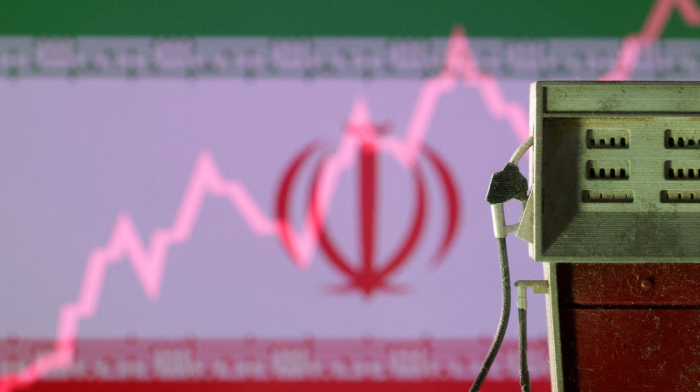
Iran could lose up to $435 million in oil exports due to a U.S. naval blockade, though a full institutional collapse remains unlikely, according to a geopolitical researcher.
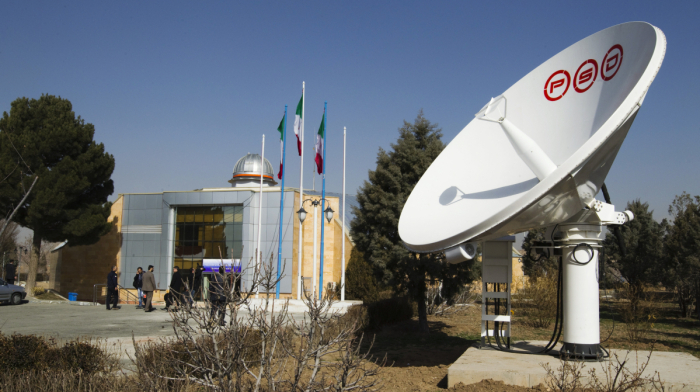
Iran’s Permanent Mission to the United Nations in New York strongly protested against U.S. and Israel targeting multiple civilian infrastructure related to communications and space centre facilities, and also urged regional countries to prevent their territory being used for "military aggression".
The status of a two-week-old ceasefire, due to expire earlier this week, remained unclear. In a sharp turn around hours after threatening renewed violence, President Donald Trump made what appeared to be a unilateral announcement on Tuesday that the U.S. would extend the Iran war ceasefire
Start your day informed with AnewZ Morning Brief. Here are the top news stories for the 22nd of April, covering the latest developments you need to know.
Military planners from more than 30 countries will hold two-day talks in London from Wednesday to advance a mission to reopen the Strait of Hormuz and draw up detailed plans, the British government said
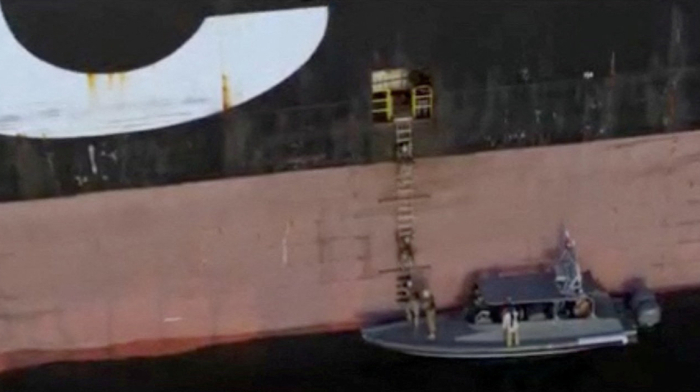
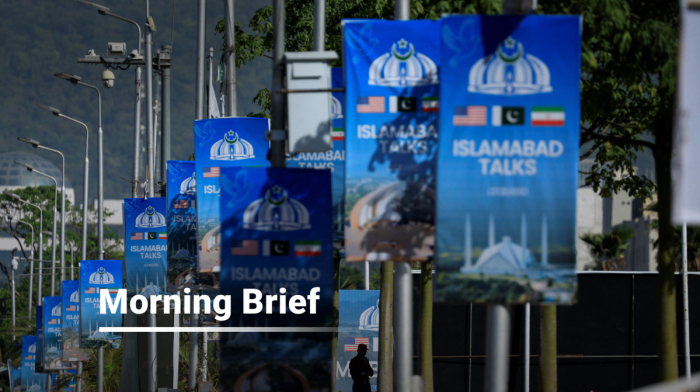
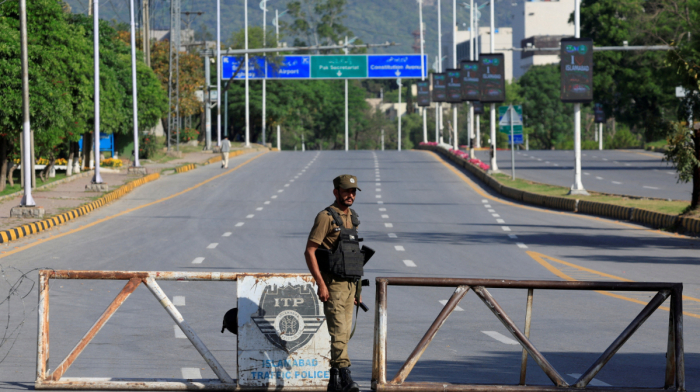
Efforts to ease tensions between the United States and Iran continue as a fragile ceasefire risks collapsing after the U.S. seized a boat bound for Iran at the weekend and Tehran closes the Strait of Hormuz. Meanwhile Tehran has refused to attend a new round of peace talks in Pakistan.
Start your day informed with AnewZ Morning Brief. Here are the top news stories for the 20th of April, covering the latest developments you need to know.
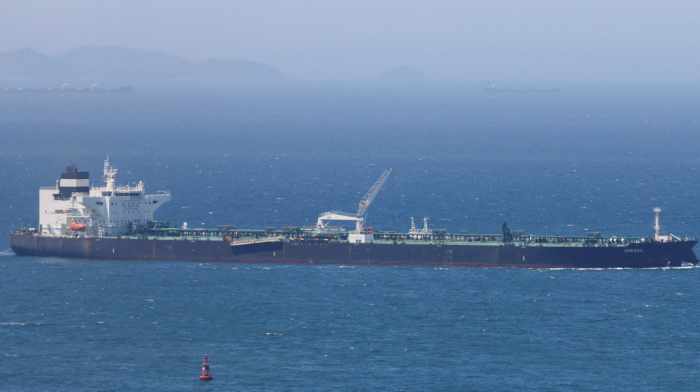
Iran's ports were blocked by the U.S. military on Monday (13 April), President Donald Trump confirmed. Tehran has threatened to retaliate against its Gulf neighbours' ports and a U.S. official said there was continued engagement with Iran, and forward motion on trying to get to an agreement.
Tensions in the Gulf have sharpened dramatically after reports that the United States has begun a blockade of Iranian ports, a move already rippling through global markets and political circles.
You can download the AnewZ application from Play Store and the App Store.