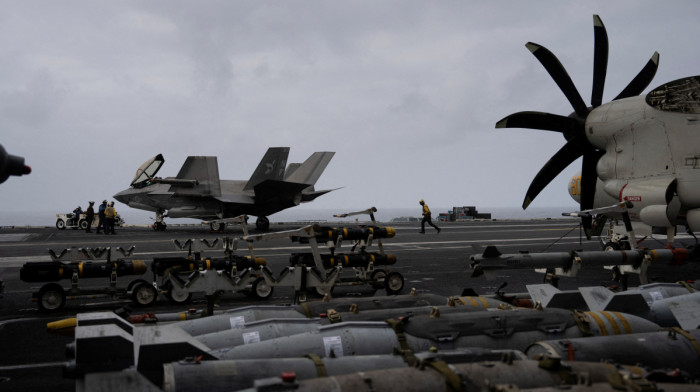
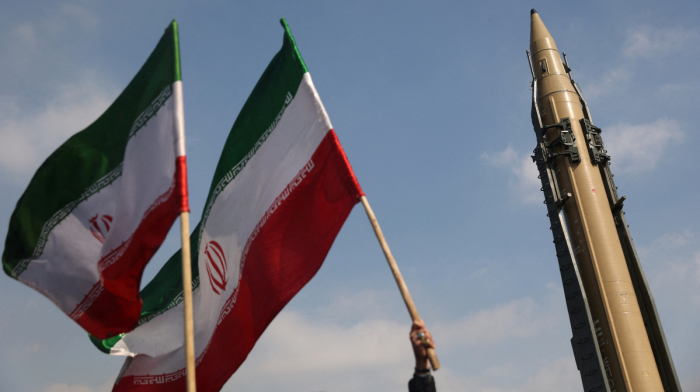
Tensions in the Gulf have sharpened dramatically after reports that the United States has begun a blockade of Iranian ports, a move already rippling through global markets and political circles.
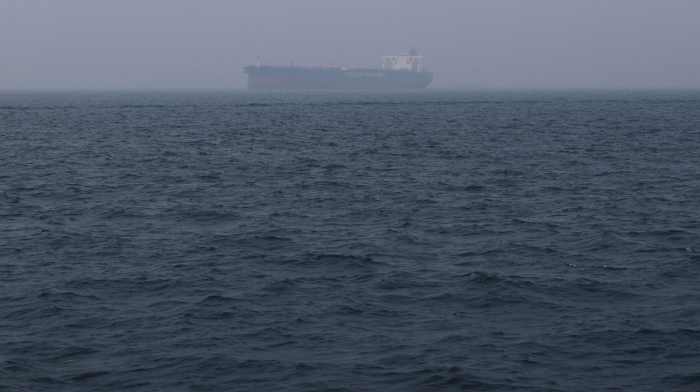
Oil prices have surged past $100 a barrel, with the Strait of Hormuz - a narrow but vital artery for the world’s energy supply - once again at the centre of international concern.
Washington insists civilian shipping will not be targeted, yet the situation remains fragile. Tehran has responded with defiance, warning that any hostile naval action will be met with force. The language on both sides is firm, but beneath it lies a more complex strategic calculation.
Speaking to AnewZ, Political Analyst Daniela Melo describes the move not as a sudden escalation, but as part of a broader pattern. In her view, the blockade reflects an attempt by the United States to pressure Iran back to the negotiating table, rather than a step towards outright conflict.
“This isn’t happening in isolation,” she suggests. “There were already more aggressive options being discussed in Washington. Compared to those, this looks more like coercive diplomacy - an effort to force talks without reigniting full-scale confrontation.”
She said that this distinction matters. A fragile ceasefire appears to be holding, and there are no signs, for now, of renewed direct strikes.
For Melo, this signals that Washington is seeking an exit - but not one that appears to concede defeat. Instead, the aim is a carefully balanced outcome where both sides can claim some measure of success.
The United States has previously accused Iran of disrupting maritime passage in the region. Now, critics argue, it risks mirroring the very behaviour it condemned. That ambiguity only adds to market anxiety and diplomatic strain.
Iran remains weakened but not without leverage. Its military capabilities have been damaged, yet the regime’s priority is survival - politically and economically.
Melo notes that this creates a narrow but real opening for negotiations, particularly around critical issues such as uranium enrichment, which remains a firm red line for Washington.
“There is still space for a deal,” she says. “Both sides have incentives to stabilise - the United States wants to move on, and Iran needs to rebuild.”
Allies divided as global powers watch closely
The international response, however, is far from unified. European allies are divided. The United Kingdom has taken a more cautious stance, while France has called for urgent multinational coordination to protect freedom of navigation. Yet their influence may be limited.
“Realistically, Europe is not in a strong position to shape outcomes right now,” Dr Melo explained. “Relations with Washington are strained, and their role is likely to be practical rather than political - for instance, helping secure shipping routes if tensions ease.”
Instead, attention is quietly shifting east. China, heavily reliant on Gulf energy flows, may hold more sway behind the scenes than any European capital. Prolonged instability threatens its supply chains, and Beijing has already signalled concern.
There is also a strategic calculation in Washington: by tightening pressure on Iranian exports, the United States may be hoping China will lean on Tehran to return to talks.
For now, the region waits. War has not resumed, but nor has stability returned. The coming days are likely to prove decisive - not only for the Gulf, but for an energy market and geopolitical order already under strain.
Read more









What is your opinion on this topic?
Leave the first comment