Oil prices rose nearly 3% on Tuesday to their highest level in four weeks as the United States and Iran stepped up attacks around the Strait of Hormuz, adding fresh uncertainty to global energy supplies.
Brent crude futures were last up $1.50, or 1.8%, at $84.80 a barrel by 0330 GMT, while U.S. West Texas Intermediate crude gained $1.70, or 2.2%, to $79.84. Both contracts had climbed by more than $2 earlier in the session before paring gains.
Brent had jumped 9.6% in the previous session, its biggest daily gain since May 2020, and prices are now at their highest since Washington and Tehran signed a memorandum of understanding to end the war on 17 June.
The U.S. military carried out a third consecutive night of strikes against Iran on Monday, while U.S. President Donald Trump reinstated a blockade of Iranian shipping and proposed charging a 20 per cent fee to protect traffic through the Strait of Hormuz.
"The latest escalation, including the U.S. reinstatement of the blockade and Iranian responses, has clearly injected fresh risk into the market," KCM Trade chief market analyst Tim Waterer said.
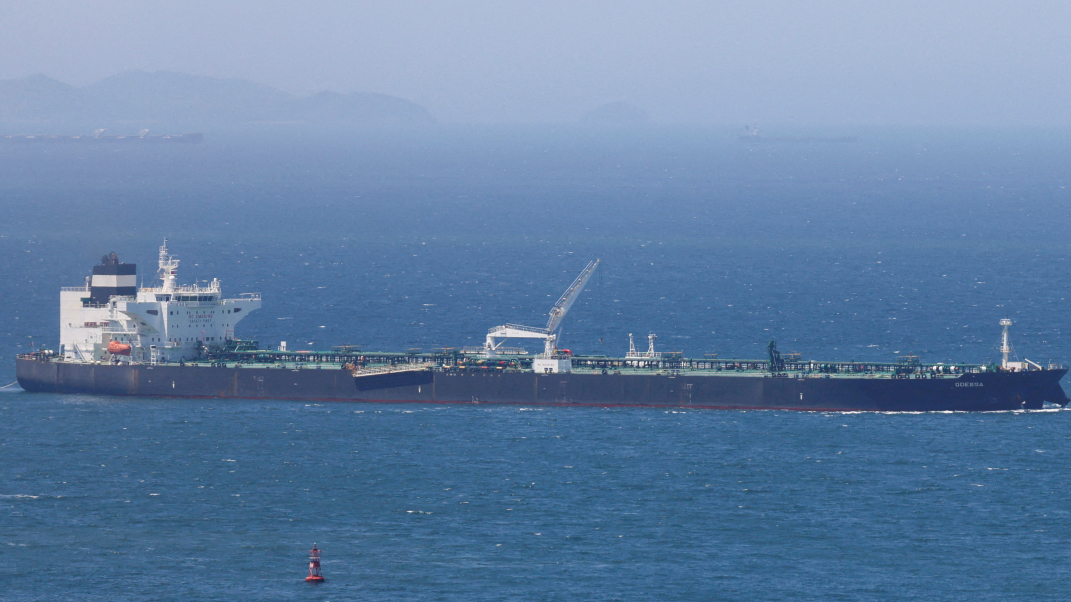
Two United Arab Emirates tankers were hit by Iranian cruise missiles in the southern lane of the Strait of Hormuz in Omani territorial waters on Monday, the UAE Ministry of Defence said. One Indian crew member was killed and eight others were wounded.
Analysts said the direction of prices would depend on whether crude and fuel tankers continue to move through Hormuz. Shipping data on Monday showed tanker transits through the strait had fallen to their lowest level in two months.
Iran's oil exports continue
However, Iran's oil exports are continuing as usual despite the cancellation last week of a 60-day waiver of U.S. oil sanctions, oil minister Mohsen Paknejad said on his official Telegram account.
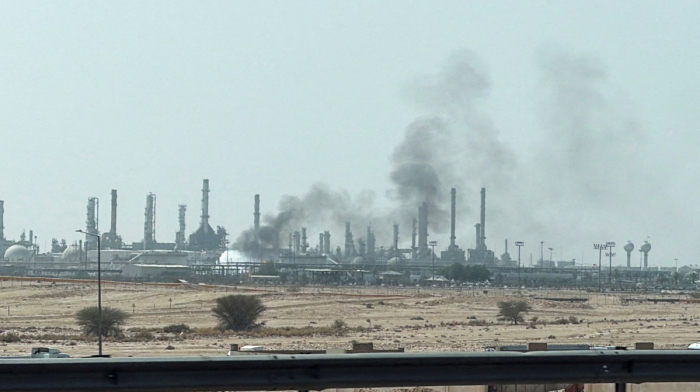
Elsewhere, Yemen's Houthi movement fired missiles at Saudi Arabia after accusing the kingdom of bombing an airport under its control on Monday.
"If the Houthis extend their attacks to Saudi's crude products in the Red Sea, it could put (further) uncertainties on crude flows from the region," Simon Wong, a portfolio manager at Gabelli Funds, said in a note.
Meanwhile, China's June crude imports slumped 41.3% to their lowest in almost a decade as refinery run rates hit a 10-year low due to weak domestic demand and export curbs on refined oil products to safeguard energy security amid the Iran war.





















What is your opinion on this topic?
Leave the first comment