Transport groups across the Philippines launched a nationwide strike on Thursday in protest against rising oil prices. The action affected 15 to 20 protest centres in Metro Manila, with similar demonstrations taking place across several major provinces.
Protesters are calling for an immediate rollback in fuel prices, the removal of excise and value-added taxes on petroleum products, expanded subsidies for affected sectors, and the introduction of a living wage for workers.
The Philippines, which is heavily dependent on imported crude oil, has faced sharp price increases amid escalating tensions in the Middle East that have disrupted global energy markets.
Ahead of the strike, the Philippine National Police placed Metro Manila on high alert, deploying nearly 10,000 personnel to maintain public safety and manage traffic disruption.
Cause of shortage
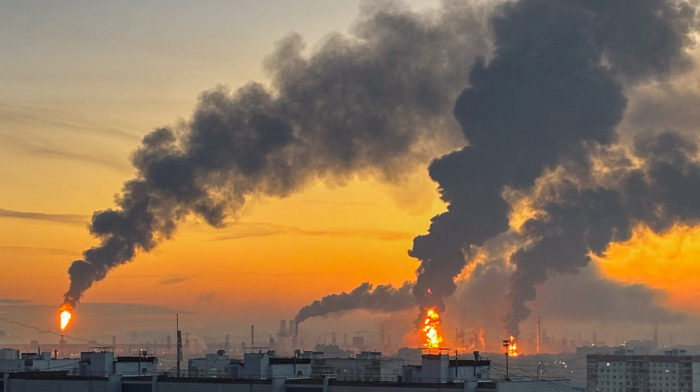
The recent surge in fuel prices in the Philippines is linked to energy disruptions in the Middle East. After Israel struck Iran’s South Pars gas field, Iran retaliated by targeting key Gulf energy facilities, causing crude oil and liquefied natural gas (LNG) prices to rise sharply.
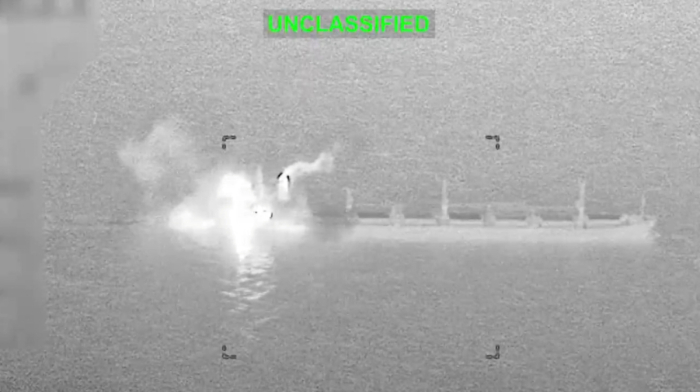
Shipping through the Strait of Hormuz, a major global oil transit route, has also been affected, heightening concerns over supply shortages. Countries such as the Philippines, which rely almost entirely on imported fuel, are experiencing the impact through higher domestic prices and tighter supply.












What is your opinion on this topic?
Leave the first comment