Samsung Electronics and its South Korean union have narrowed some differences, a mediator in their talks said on Tuesday, as pressure mounts from the government and business groups to avert an imminent and damaging lengthy strike.
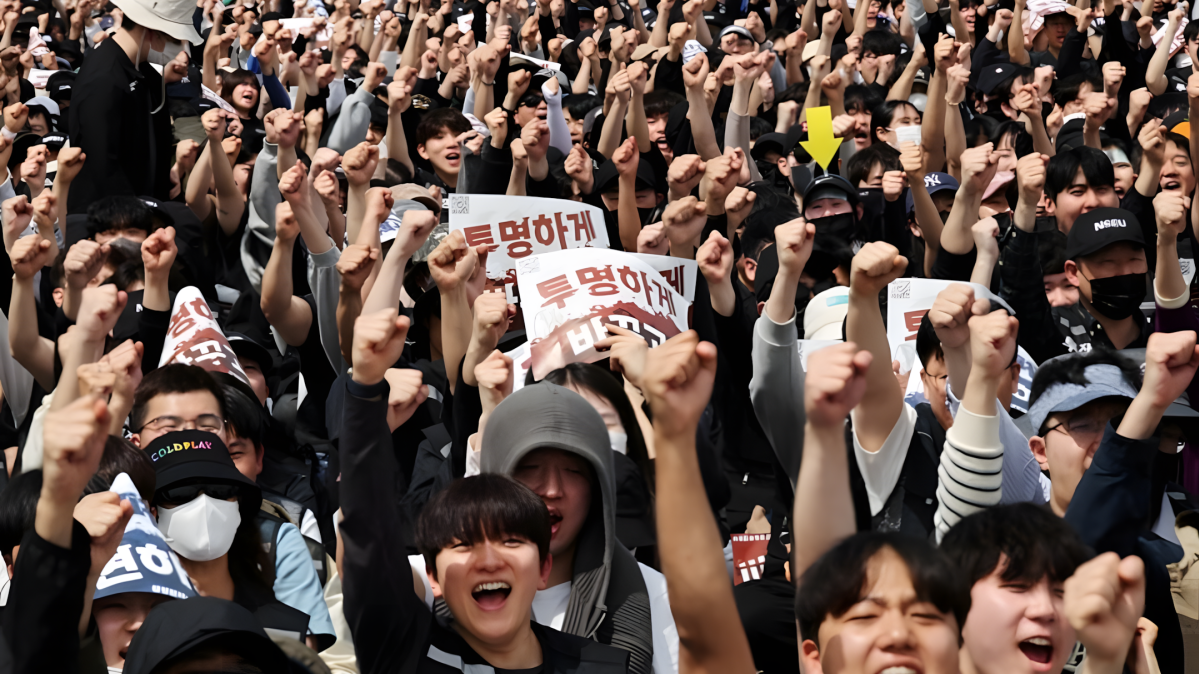
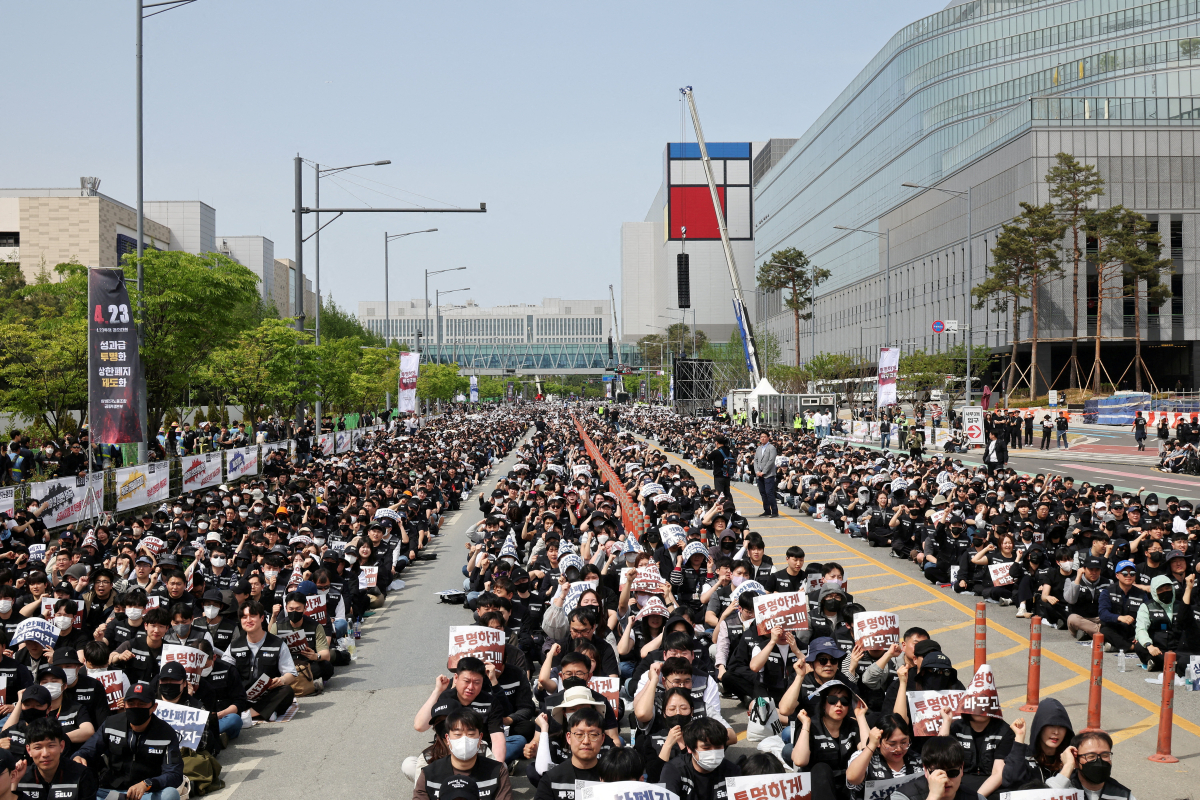
The two sides are seeking to hash out a deal on bonus payments before nearly 48,000 workers walk off the job for 18 days on Thursday.
A strike that magnitude and length would not only damage the domestic Korean economy but also cause immediate, cascading disruptions to highly sensitive global technology supply chains by throttling vital semiconductor production.
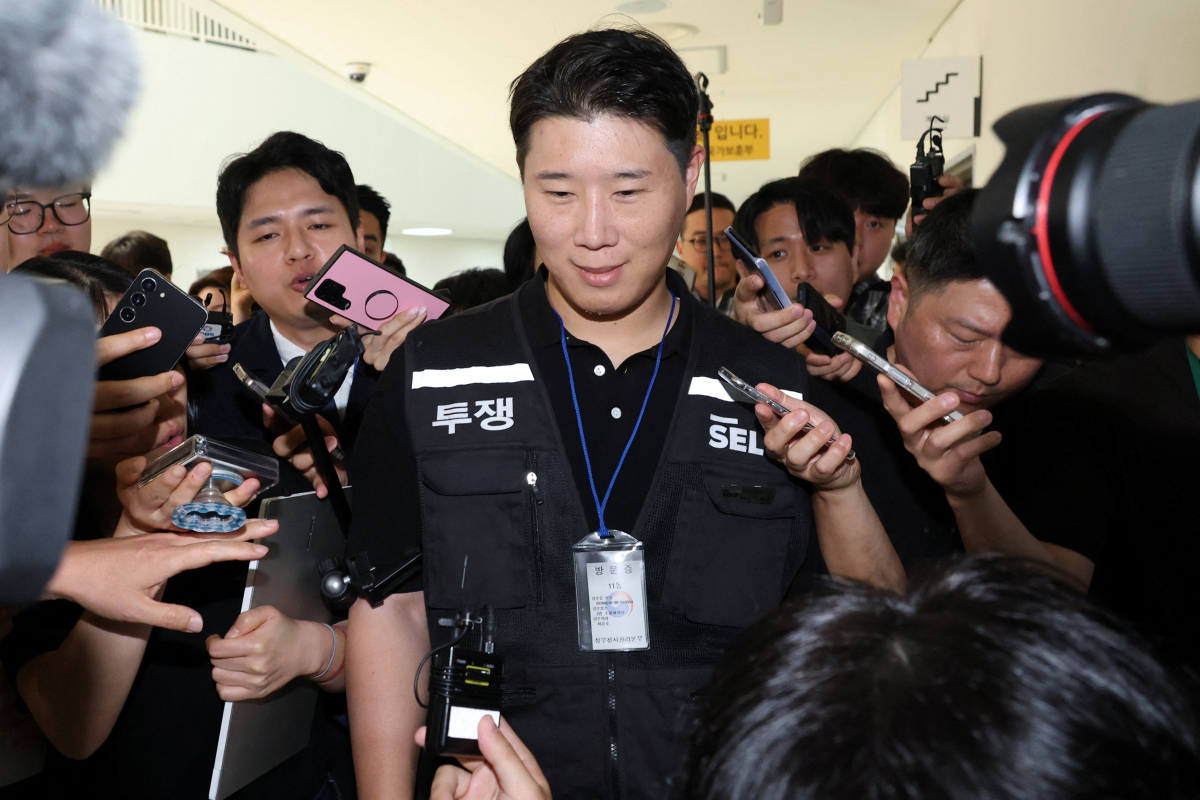
Park Su-keun, Chairman of the National Labor Relations Commission, which is mediating the talks, said that while both sides had made concessions, they remain stuck on two key issues but declined to elaborate.
Over the weekend, South Korea's Prime Minister publicly threatened to step in directly, warning that the state could use controversial emergency arbitration powers to forcibly resolve the crisis and legally ban the walkout.
Then on Monday, Samsung management and the labour union remained far apart during the initial talks, according to statements made to reporters by the chairman of the National Labor Relations Commission.
Samsung declined to comment, while a union representative was not immediately available for comment.
Shares drop
The heavyweight conglomerate's shares fell by 2.5% in early trading on Tuesday, compounding a broader market slide that saw the benchmark KOSPI index drop by 3.2%.
Industry minister Kim Jung-kwan told parliament on Tuesday that the strike "must not happen."
"The reality is that all of our citizens are worried about this, considering the ripple effects that a Samsung strike could bring," he said.
Domestic pressure is also intensifying. South Korean business groups and industry lobbies issued a joint statement on Monday urgently calling on the union to drop its strike plan. Concurrently, they demanded the government "immediately" invoke emergency arbitration to legally suspend the strike before the Thursday deadline.
Impact of potential strike action
The planned strike is scheduled to start on Thursday and will last for 18 consecutive days. A stoppage at Samsung - which is the world's largest manufacturer of memory chips and accounts for nearly a quarter of South Korea's entire export volume - would be an unprecedented economic shock.
Meanwhile, the broader tech industry is currently navigating an acute global shortage of advanced memory chips. These specific components are essential for the operation of artificial intelligence (AI) data centres, next-generation smartphones, and laptops.
However, this very shortage has fuelled soaring, record-breaking profits at Samsung and its global peers in recent months, emboldening the union's demands for a fairer share of the windfall.
Samsung's widening pay gap with SK Hynix
The current dispute represents the largest and most severe clash between Samsung management and its workforce since Samsung Electronics Chairman Jay Y Lee publicly pledged to shed the company's notorious reputation for union-busting activities in 2020, a promise made just months after the historic creation of the firm's first officially recognised labour union.
Historically, Samsung has been one of the most prestigious and sought-after workplaces in South Korea. However, internal morale has plummeted recently. Employees have grown increasingly frustrated and vocal regarding a rapidly widening pay and bonus gap with their smaller, yet more agile domestic rival, SK Hynix.
SK Hynix strategically took an early, dominant lead in the highly lucrative market of supplying high-bandwidth memory (HBM) for AI chip units, securing huge, exclusive contracts with AI juggernaut Nvidia.
Capitalising on this success, SK Hynix introduced sweeping overhauls to its corporate pay structure last year. This resulted in end-of-year bonuses that were, in some cases, more than three times higher than those offered to equivalent Samsung workers.
According to union members, this stark disparity has significantly accelerated talent defections from Samsung to SK Hynix and directly sparked a massive surge in Samsung union membership. Exacerbating the workers' ire is the fact that Samsung is simultaneously reporting record operating profits as the global AI boom drives up baseline demand for legacy chips.
Union's demands
The union's demand that Samsung immediately abolish its strict bonus cap, which currently limits payouts to 50% of an employee's annual salary. Furthermore, the union wants a guaranteed 15% of the company's annual operating profit to be allocated to a massive bonus pool shared equally among workers, demanding this formula be formally enshrined in all future employment contracts.
Samsung offers compromise
In response, Samsung management has proposed a compromise: they are offering memory chip workers "special" performance bonuses that would theoretically top the total compensation received by SK Hynix employees, but management is steadfastly refusing to abolish the overall 50% bonus cap, fearing it would permanently inflate operating costs.
The situation prompted a rare public intervention from the very top of the company. On Saturday, Chairman Jay Y Lee issued a formal apology to international customers and the South Korean public over the ongoing labour dispute - his first public comments on the crisis.
The apology was aimed at calming nervous global clients, which include tech titans Alphabet (Google), Apple, Amazon, and Nvidia, all of whom rely on uninterrupted Samsung production.
Meanwhile, a South Korean court on Monday partially granted Samsung's request for a legal injunction. The judge ruled that essential staffing levels at specific, highly sensitive production facilities must be legally maintained by the union during any industrial action, ensuring that the physical fabrication machinery is not permanently damaged by a total walkout.





















What is your opinion on this topic?
Leave the first comment