British pop star Dua Lipa has filed a lawsuit against South Korean tech giant Samsung Electronics, seeking at least $15 million in damages over allegations that her image was used without permission to promote television sets.
The lawsuit, filed on Friday (8 May) in a U.S. federal court in California, accuses Samsung of copyright and trademark infringement as well as breach of publicity rights.
Unauthorised image use
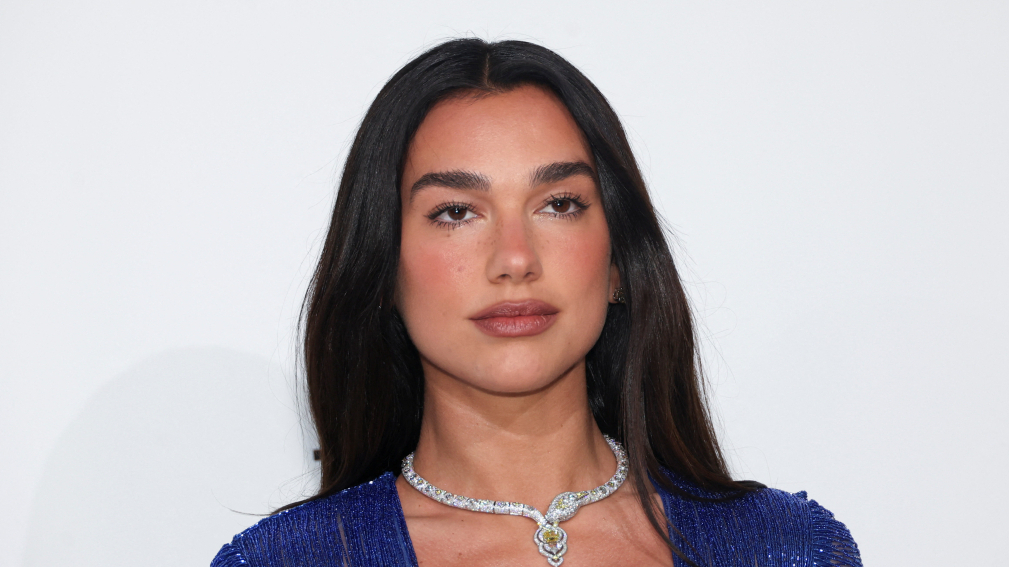
According to court documents, Samsung allegedly featured a copyrighted image of Lipa on the front of cardboard boxes used to package televisions sold at retail level.
The image, titled “Dua Lipa - Backstage at Austin City Limits, 2024”, is said to be fully owned by the singer, with her holding all rights, title and interest.
Her legal team argues that the use of the image created the impression that Lipa endorsed the product, thereby benefiting Samsung commercially.
The filing includes screenshots of social media posts and comments, one of which reportedly shows a consumer stating they would purchase the television “just because Dua is on it”.
Lipa’s lawyers said the singer became aware of the alleged infringement in June last year and subsequently demanded that Samsung stop using her image. They claim the company repeatedly refused to comply.
Samsung’s response and legal claims
Samsung Electronics denied any intentional wrongdoing, stating the image had been supplied by a third-party partner that produced content featuring Lipa for its free streaming service.
The company said it had received assurances that all necessary permissions, including for use on retail packaging, had been secured.
“The image was used only after receiving explicit assurance from the content partner that permission had been secured,” Samsung said in a statement, adding that it remained open to a “constructive resolution” with Lipa’s representatives.
Lipa’s legal team has not yet responded to requests for comment.
The lawsuit claims Samsung’s actions have “caused and continue to cause dilution” of Lipa’s brand identity and commercial goodwill by falsely implying her endorsement of the products.























What is your opinion on this topic?
Leave the first comment