Russia has once again signalled its willingness to restore relations with Georgia, with a senior official claiming that support for renewed ties is growing within the country.
The remarks come at a delicate moment - as Georgia mourns a historic religious leader, faces strained relations with the West, and navigates a complex geopolitical position between Moscow and its Western partners.
Moscow points to “growing support” in Georgia
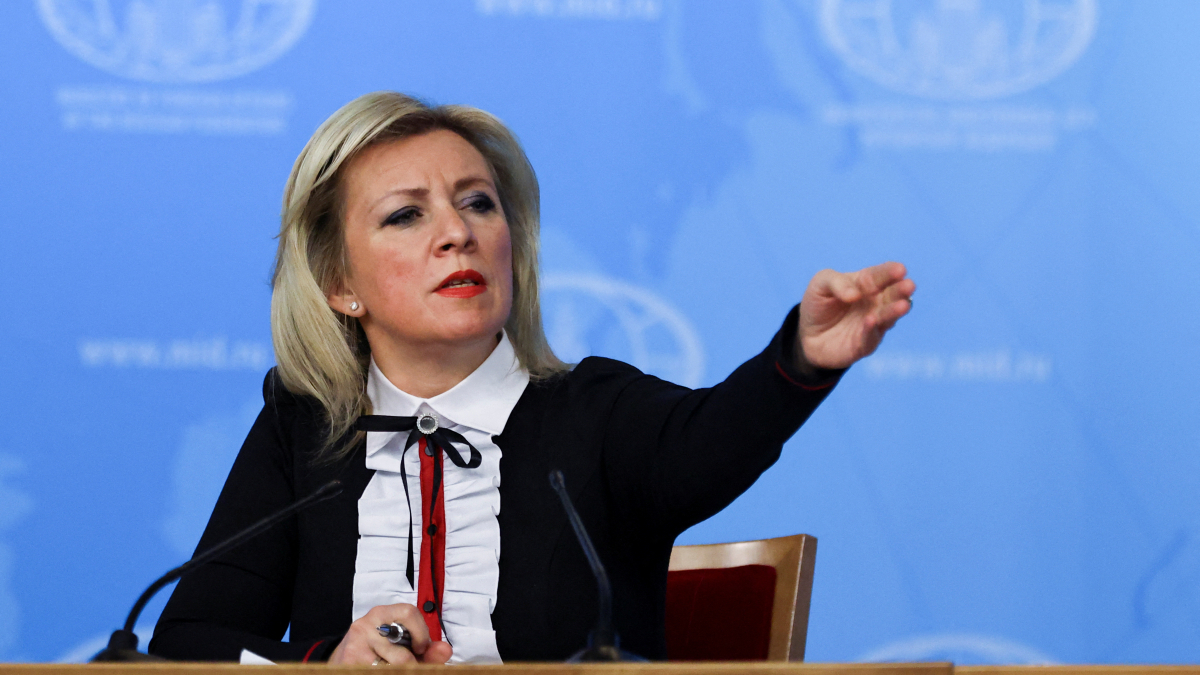
Speaking on 18 March, Maria Zakharova, spokesperson for the Ministry of Foreign Affairs of Russia, said that Moscow is ready to rebuild relations with Tbilisi. She argued that an increasing number of Georgian citizens and politicians now support this idea, describing Russia as open to dialogue.
Zakharova stressed that “the ball is not in our court,” suggesting that any formal reset in relations would depend on steps taken by Tbilisi. At the same time, she pointed to what she described as gradual progress in economic and humanitarian ties between the two countries in recent years.
Her comments also included criticism of external actors, whom she accused of destabilising the wider Caucasus region and damaging historical ties between Georgia and Russia.
Georgia silent during period of mourning
The Georgian government has not responded to the remarks, as the country is currently observing a period of mourning following the death of Ilia II, one of the most influential figures in modern Georgian history.
However, in previous statements, Georgian authorities have consistently rejected the idea of restoring full diplomatic relations with Russia. Tbilisi has maintained that such a step is not possible while Russian forces remain in the Georgian regions of Abkhazia and South Ossetia, which Georgia considers to be occupied territories.
Legacy of conflict continues to shape relations
Diplomatic relations between the two countries were severed after the Russo–Georgian War. Since then, ties have remained tense, despite limited cooperation in areas such as trade, tourism, and people-to-people contact.
At the same time, Georgia’s relations with its Western partners - including the U.S. and the European Union - have faced challenges in recent years. Concerns over democratic standards, political polarisation, and controversial legislation have complicated what was once described as a strategic partnership.
A delicate geopolitical balancing act
This evolving situation has placed Georgia in a sensitive position - balancing its long-standing Western aspirations with ongoing pressure and overtures from Russia.
Zakharova’s latest comments highlight this tension. While Moscow speaks of openness and shared history, the political reality remains shaped by unresolved conflict, security concerns, and competing international alignments.
For now, any significant shift in Georgian-Russian relations appears unlikely. However, the discussion itself reflects changing dynamics in the region.










What is your opinion on this topic?
Leave the first comment