Rohingya genocide explained: What the landmark ICJ ruling means for Myanmar
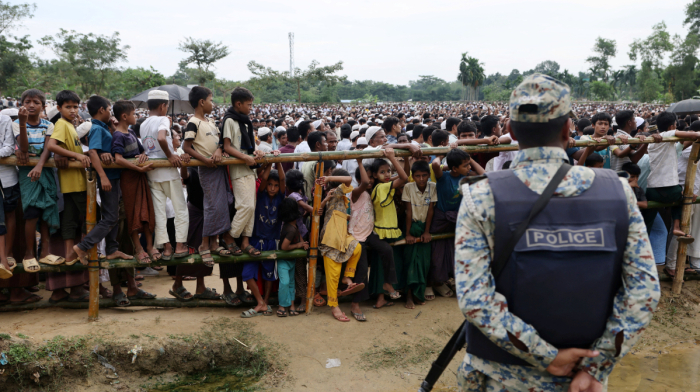
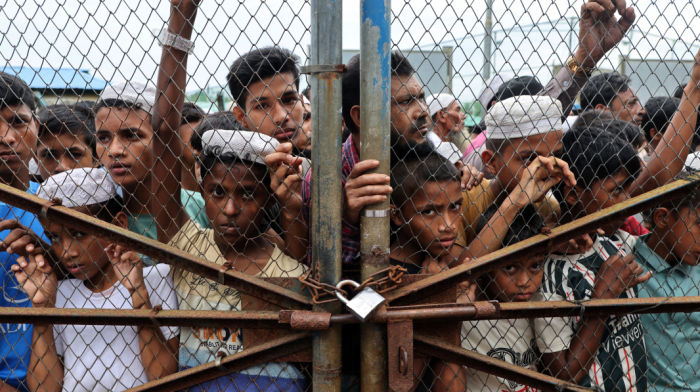
The United Nations' highest court has ruled that Myanmar committed genocide against its Rohingya Muslim minority during a 2017 military crackdo...
Russian President Vladimir Putin’s upcoming visit to China is expected to focus on strengthening bilateral ties, particularly through expanded trade and economic cooperation.
Officials say discussions will centre on the current state of Russia-China relations and their future direction, especially in economic sectors where annual trade has consistently exceeded $200 billion. The two leaders are also expected to exchange views on key global and regional issues, including recent developments in China’s relations with the U.S.
Alongside economic and geopolitical matters, the talks are expected to place significant emphasis on humanitarian cooperation. A planned initiative will launch joint “cross-years of education” between Russia and China, aimed at expanding academic and scientific exchange programmes.
Following the meeting, the two sides are expected to sign a joint statement, along with several agreements at both intergovernmental and departmental level.
Putin has travelled to China around 20 times during his presidency, underlining the strategic importance of the relationship. His most recent visit, in late August and early September 2025, resulted in the signing of more than 20 agreements.
Among them was a memorandum concerning the long-discussed Power of Siberia-2 gas pipeline project. Originally proposed in 2006, the project has faced repeated delays, largely because of disagreements over commercial terms.
The latest visit comes amid heightened international interest. It follows closely after U.S. President Donald Trump’s trip to China earlier this month, during which he spent three days in the country and announced several major agreements, including a deal for China to purchase 200 Boeing aircraft.
If confirmed, Putin’s visit would mark the first time in recent years that Beijing has hosted the leaders of two major global powers within such a short period outside the framework of international summits or multilateral meetings.
Analysts say the timing underscores China’s central role in global diplomacy and highlights the evolving dynamics between the world’s major powers.
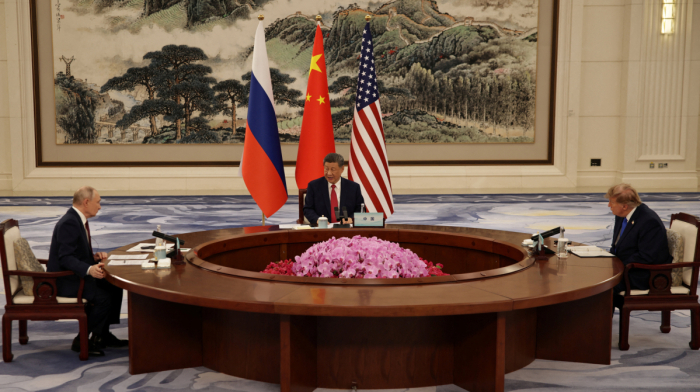
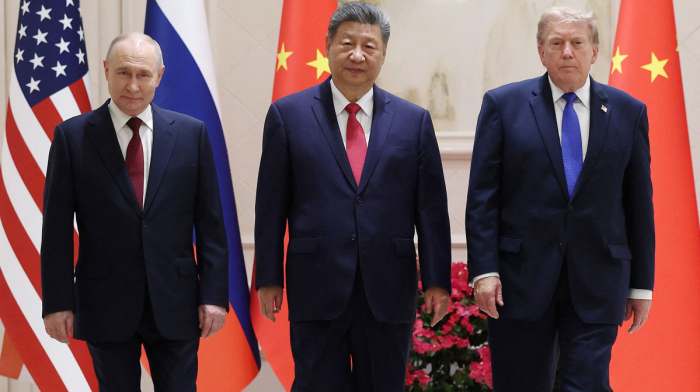
U.S. President Donald Trump, Russian President Vladimir Putin and Chinese President Xi Jinping are holding trilateral talks at the APEC summit in Shenzhen, China, with Ukraine, nuclear arms control and global security on the agenda.
Myanmar's security forces committed genocide against Rohingya Muslims during a brutal military crackdown in 2017 that killed thousands and involved widespread sexual violence, the United Nations' top court ruled on 19 November.
U.S. President Donald Trump, China's Xi Jinping and Russia's Vladimir Putin have issued a joint “declaration of peace” following historic talks in southern China, but stopped short of committing to nuclear arms reductions or addressing the war in Ukraine in their joint statement.
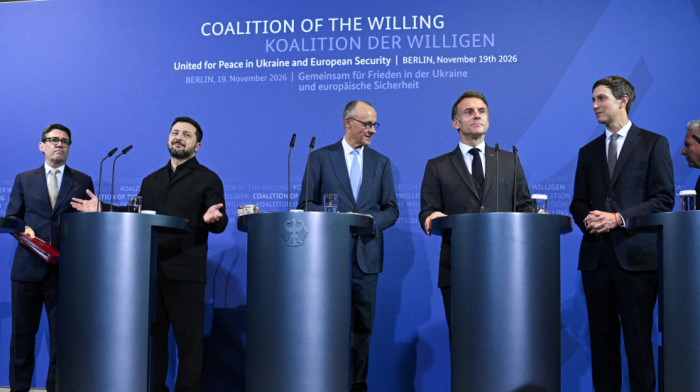
European leaders backing Ukraine met in Berlin on Thursday 19 November and warned that no peace deal should be settled without them.
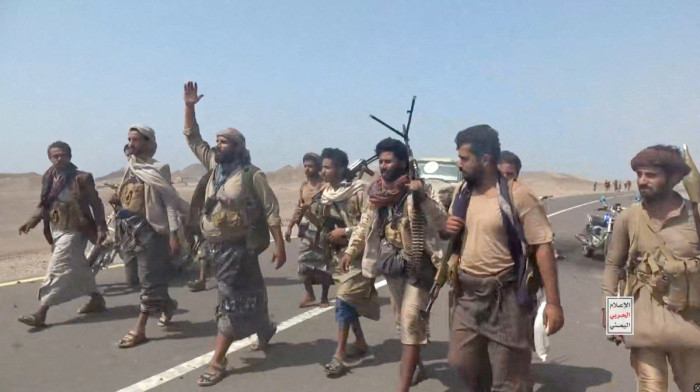
Saudi Arabia is preparing for up to six more months of fighting against Yemen’s Houthis, potentially extending the conflict into spring 2027, Reuters reported, as the kingdom struggles to secure gains on the ground.
The United Nations' highest court has ruled that Myanmar committed genocide against its Rohingya Muslim minority during a 2017 military crackdown that forced hundreds of thousands to flee their homes.
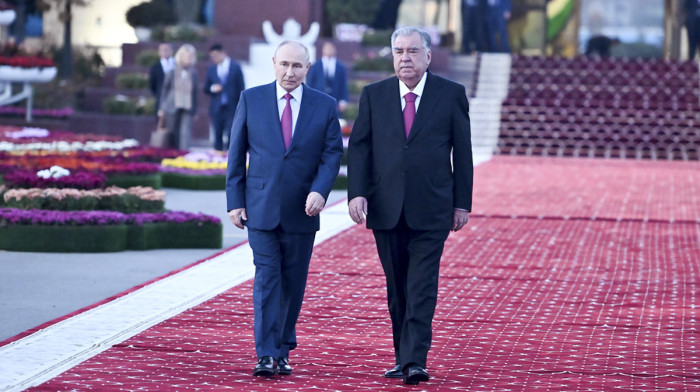
Tajik President Emomali Rahmon and Russian President Vladimir Putin held talks in Dushanbe on 20 November, focusing on labour migration, security along Tajikistan’s border with Afghanistan and the future of Russia’s military presence in the country.
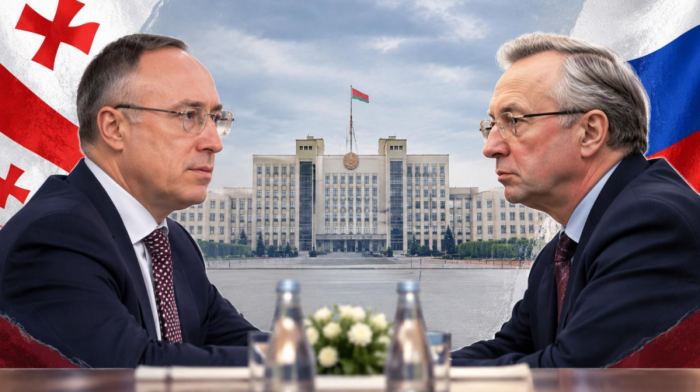
Georgia and Russia have resumed direct official talks, with senior diplomats meeting in Minsk on 19 November to discuss trade, economic cooperation and regional security, despite longstanding tensions between the two countries.
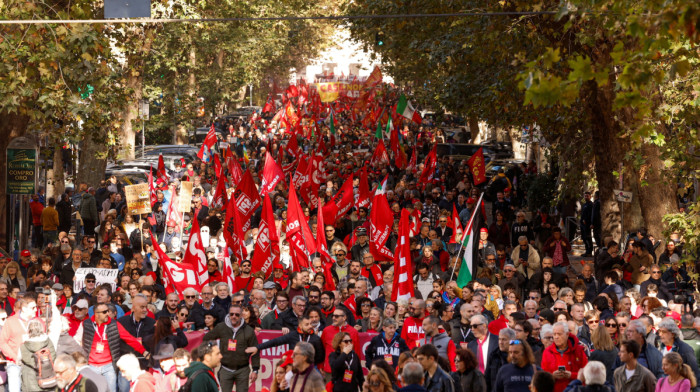
Students and workers took to the streets across Europe on Friday, 20 November, demanding better pay, affordable housing and more funding for education and public services, while protesting against rising military spending.
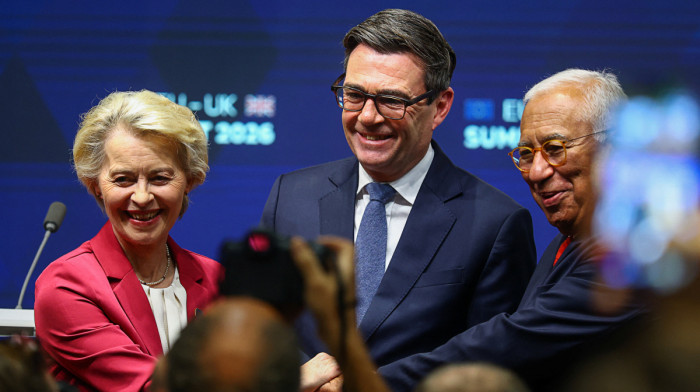
Britain and the European Union have reached an agreement to ease trade, expand opportunities for young people and deepen economic ties, in a major step towards rebuilding relations after Brexit.
You can download the AnewZ application from Play Store and the App Store.
What is your opinion on this topic?
Leave the first comment