Russia has signalled it is ready to increase energy supplies to China, underscoring deepening ties between the two powers ahead of an expected visit by President Vladimir Putin.
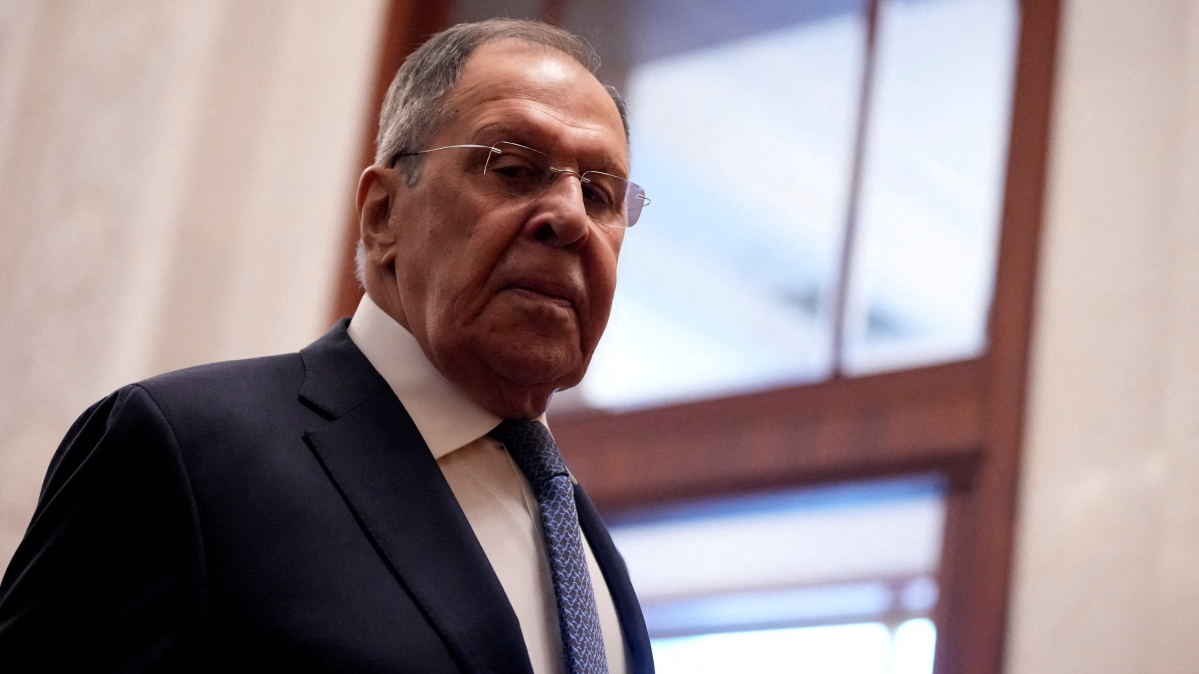
Speaking in Beijing on Wednesday, Foreign Minister Sergei Lavrov said Moscow could help offset potential energy shortages not only in China but also in other countries affected by instability in the Middle East. His remarks come as global energy markets remain sensitive to geopolitical tensions.
Lavrov suggested Mr Putin’s visit to China would take place in the first half of the year, with Russian media hinting it could occur in the week beginning 18 May.
The trip is widely expected to reinforce a partnership that both sides have increasingly framed as a counterbalance to Western influence.
Change due to Western sanctions
During the visit, energy co-operation is likely to be high on the agenda. Russia has already become one of China’s largest suppliers of oil and gas, particularly since Western sanctions redirected much of Moscow’s exports eastwards.
Analysts say any further increase would cement China’s role as a crucial economic partner for Russia.
Earlier in the day, Chinese President Xi Jinping met Lavrov in Beijing, offering a warm public display of support. Mr Xi spoke of “trust and mutual backing,” emphasising the need for the two nations to deepen co-operation and defend each other’s interests on the global stage.
For ordinary citizens, such high-level diplomacy can feel distant, but its consequences are tangible. Stable energy supplies influence everything from household heating costs to factory production lines.
In China, where economic growth relies heavily on consistent energy flows, any assurance of supply carries significant weight.
Lavrov framed Russia as a dependable partner at a time of uncertainty. He argued that Moscow has the capacity - both current and planned - to fill gaps created by disruptions in global supply chains.
Growing concerns
His comments appeared to reference ongoing volatility linked to conflict in the Middle East, which has raised concerns about oil and gas availability worldwide.
He also criticised what he described as attempts by the U.S. to destabilise energy markets, saying Russia and China had the means to avoid dependence on such pressures.
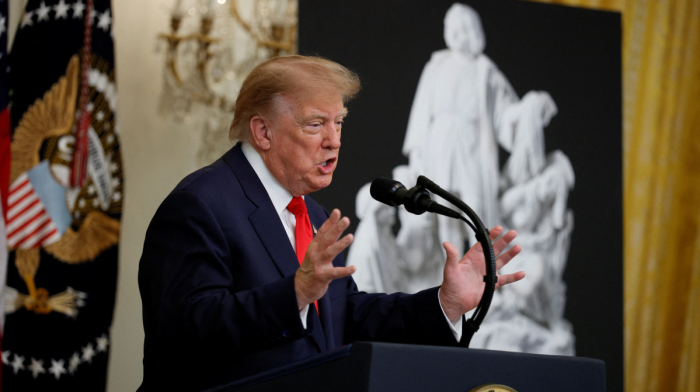
The diplomatic choreography in Beijing comes just days before another significant meeting. U.S. President Donald Trump is due to visit China on 14 and 15 May - his first trip to the country in eight years - setting the stage for a complex series of engagements involving the world’s major powers.
For now, Moscow’s message is clear: in a world of shifting alliances and uncertain supply lines, it intends to position itself as a reliable energy provider and a steadfast partner to Beijing.














What is your opinion on this topic?
Leave the first comment