A Palestinian shepherd says her family’s Eid al-Adha preparations were destroyed after dozens of sheep were allegedly stolen in a pre-dawn raid in the West Bank, leaving her without both a religious sacrifice and her family’s main source of income.
Livelihood lost days before Eid
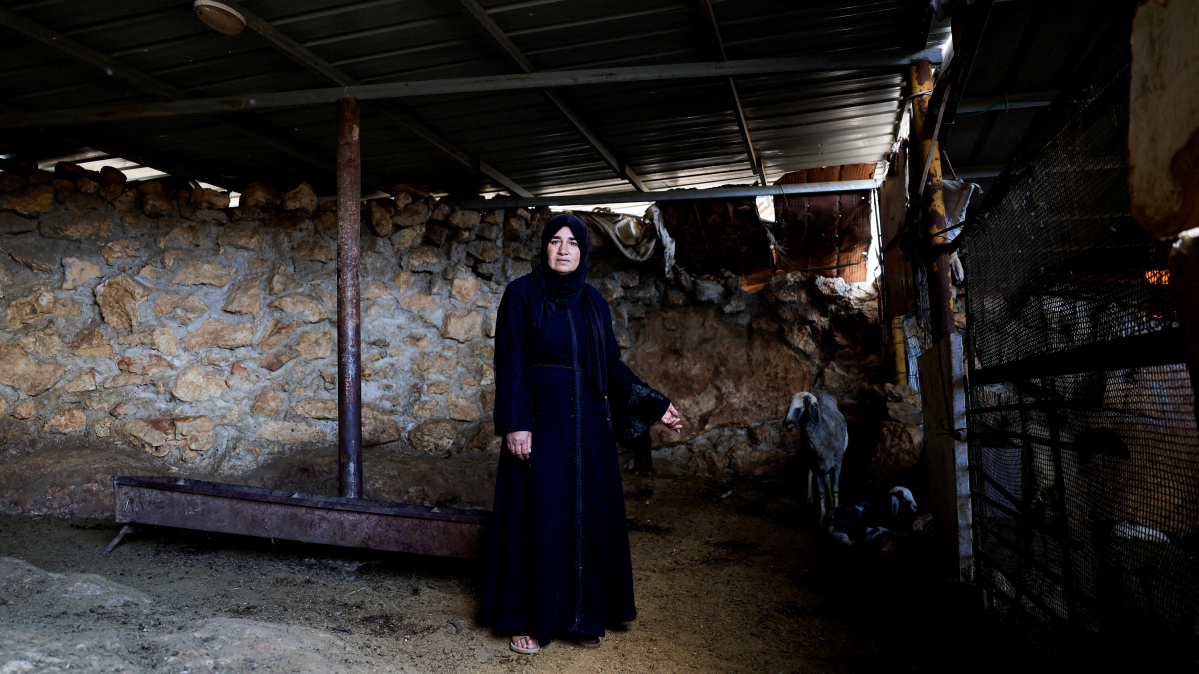
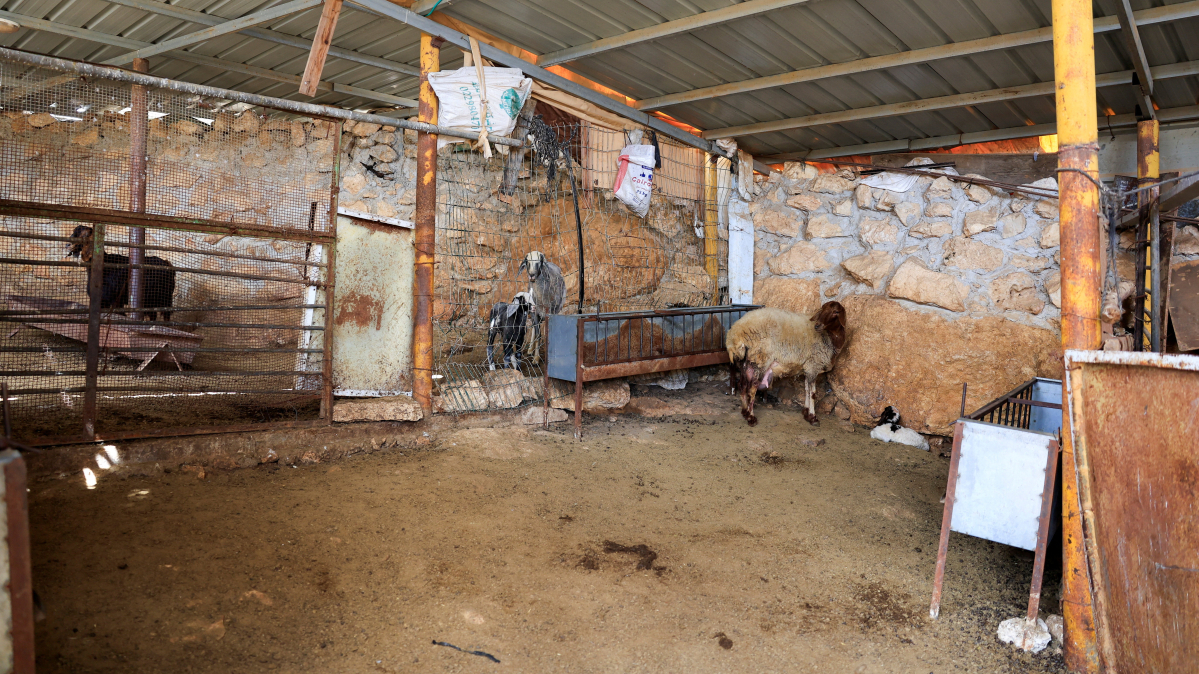
Sameeha Rasheed said around 45 sheep were taken from her home in Masafer Yatta on 21 May, just hours before dawn. She said masked men drove the animals away after the family’s guard dogs had previously been stolen, leaving the farm unprotected.
The timing meant the loss struck directly at preparations for Eid al-Adha, one of the most significant religious occasions in Islam. The festival marks the culmination of the annual Hajj pilgrimage, during which families who can afford it traditionally sacrifice livestock and distribute meat to those in need.
For Rasheed, however, the sheep were not only part of a religious observance but also the family’s primary source of income.
“This is our livelihood, my husband and I live from the income from these sheep,” she said. “I don’t have anything to get treatment for my husband or spend on myself.”
She added that her husband is currently undergoing cancer treatment, making the loss particularly severe.
CCTV footage and allegations of repeated harassment
CCTV footage seen and verified by Reuters showed a group of masked individuals moving sheep from the farm at night. The footage was geolocated to the area near Masafer Yatta by matching surrounding terrain and buildings with archive and satellite imagery.
Rasheed said the theft formed part of a wider pattern of pressure on local shepherding communities, alleging that nearby settlers had carried out near-daily harassment.
She described incidents in which pepper spray had allegedly been used near homes and around children in the area.
Rising settler violence in the West Bank
Tensions in the region have escalated amid a broader rise in settler-related violence in the West Bank since the outbreak of the Gaza war in 2023. Israeli opposition leader Yair Lapid has previously described such violence as “Jewish terror” and a national disgrace.
Responding to questions about the incident, the Israeli military said troops had been deployed to the area but did not encounter settlers at the scene, and that the case had been referred to Israeli police.
The Yesha Council, which represents municipal councils in West Bank settlements, did not immediately respond to requests for comment.
Scale of reported livestock thefts
According to Palestinian Ministry of Agriculture spokesperson Mahmoud Fatafta, approximately 4,000 livestock animals have been reported stolen by settlers since the start of 2026, with estimated losses to Palestinian farmers exceeding U.S.$5 million.
The expansion of Israeli settlements across the West Bank remains highly disputed internationally. Most countries consider the settlements illegal under international law, while Israel rejects this position, citing historical and religious connections to the land.
More than 700,000 settlers are believed to live in the West Bank and East Jerusalem alongside more than three million Palestinians, according to a 2024 European Union report.
Eid without animals to sacrifice or sell
For Rasheed, the figures offer little comfort as Eid approaches without the animals she had spent months preparing.
“When we have sheep during the time to sacrifice, we sell them,” she said. “But now there are no sheep, not for us to sacrifice nor even to sell.”




















What is your opinion on this topic?
Leave the first comment