The European Union has removed Georgia’s Kulevi oil terminal from its sanctions list after receiving assurances from both the Georgian government and Azerbaijan’s state energy company SOCAR that the facility will no longer be used in ways that could bypass sanctions on Russian oil.
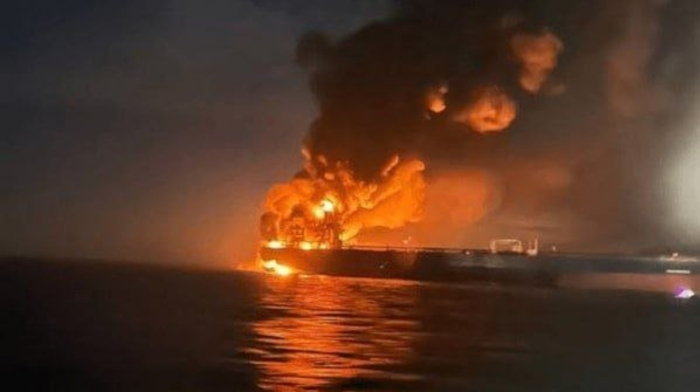
The decision was confirmed by a spokesperson for the European Commission, who said the port had previously raised concerns due to links with vessels associated with Russia’s so-called “shadow fleet.” These ships are widely believed to be used to transport Russian oil outside official channels, helping Moscow avoid Western restrictions imposed after the war in Ukraine.
According to the Commission, the concern was that such vessels could use the Kulevi Oil Terminal to re-export Russian oil, potentially violating EU sanctions.
However, the situation changed after Georgia committed to tightening control over port access. The country’s foreign ministry assured the EU that no vessels linked to the shadow fleet would be allowed to dock at Kulevi.
Additional guarantees were also provided by SOCAR, which operates the terminal. As a key player in the region’s energy infrastructure, SOCAR’s role was central to the EU’s decision to lift the restrictions.
Despite the move, Brussels has made it clear that monitoring will continue. The European Commission stressed that it will closely track whether the commitments are being followed in practice and warned that further measures could be introduced if any attempts to circumvent sanctions are detected.
The case highlights the growing importance of the Black Sea region in global energy logistics, especially as Europe seeks to enforce sanctions on Russian exports while maintaining stable supply routes. For Georgia, the decision removes immediate pressure but also places the country under continued scrutiny as it balances its economic role as a transit hub with its political commitments to Western partners.












What is your opinion on this topic?
Leave the first comment