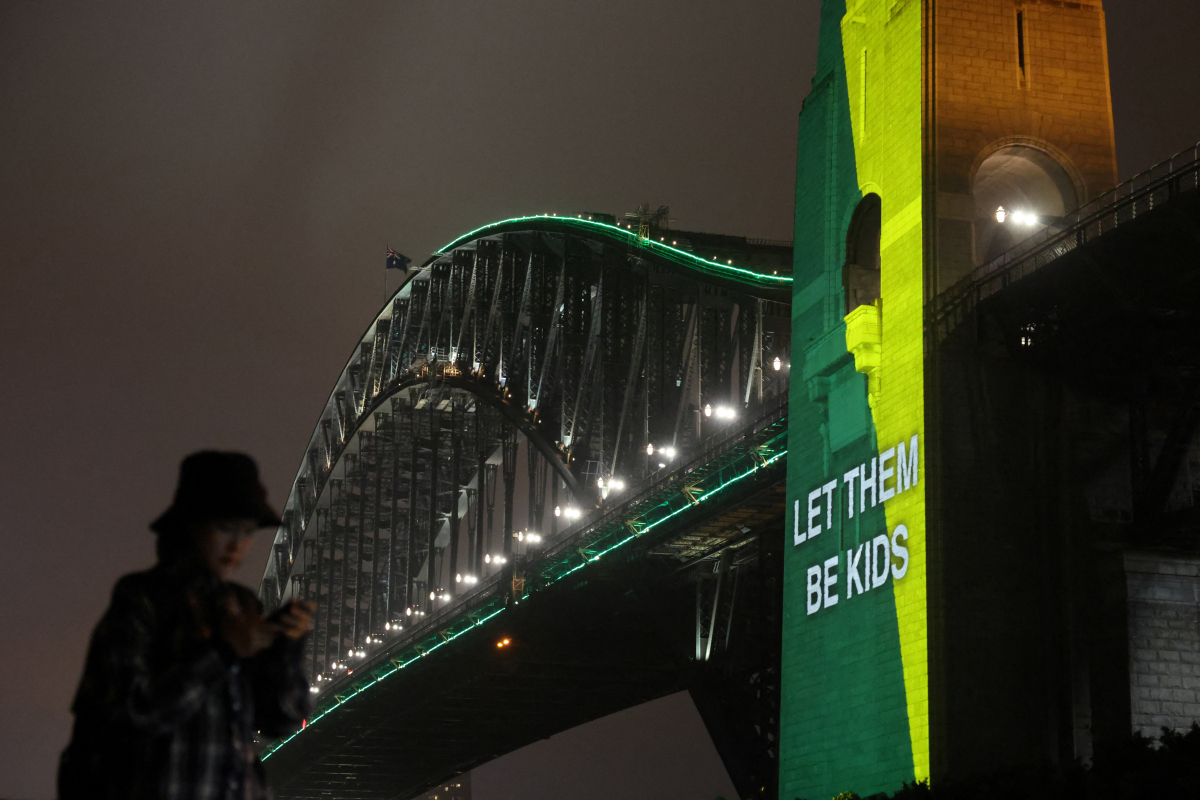
The year 2025 marked a global first in social media regulation, as Australia enacted the world’s first blanket ban on social media usage for children under 16 years old.
The law, which came into effect on 10 December, requires major platforms to prevent under‑16s from holding accounts or face fines of up to A$49.5 million (approximately US$32 million).
Platforms affected include Facebook, Instagram, TikTok, Snapchat, X (formerly Twitter), YouTube, Reddit, Twitch, Kick and Threads.
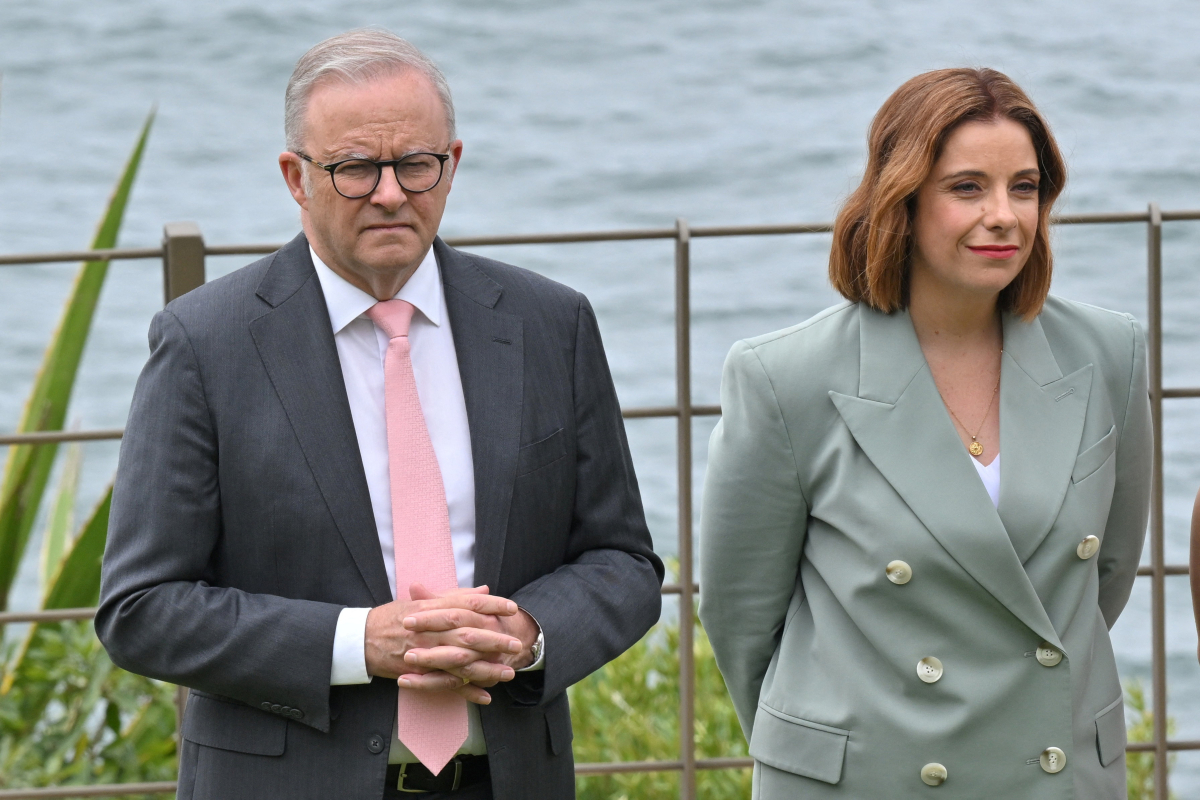
Prime Minister Anthony Albanese defended the legislation as a measure to protect young Australians from harmful content and the pressures of algorithm-driven feeds.
In a government video message, he said “You'll know better than anyone what it's like growing up with algorithms, endless feeds and the pressure that can come with that."
Albanese noted that the step was taken to support Australian youth.
Australia's Minister for Communications Anika Wells noted that the “world‑leading laws will give kids a three‑year reprieve from predatory algorithms, toxic popularity metres and harmful content manipulating Australian children.”
Children and parents are not penalised for breaching the ban; responsibility lies with the platforms.
The Australian government has placed full responsibility on social media companies, requiring them to implement age verification tools, including facial recognition, credit card checks and government-approved identification.
Platforms' reactions
Meta (owner of Facebook and Instagram), TikTok‑owner ByteDance, and Snap (owner of Snapchat) said that they “oppose Australia’s youth social media ban” but would comply with the law by deactivating under‑16 accounts.
Regarding the implementation process, a Meta spokesperson said, while the platform is working hard to remove all users who are believed to be under the age of 16 as quickly as possible, "compliance with the law will be an ongoing and multilayered process.”
The company also suggested that app stores should be required to verify age upon app download, saying this could “ensure teens are in age‑appropriate experiences.”
In the days before implementation, Instagram sent notifications to young users in Australia with accounts showing ages under 16, informing them that “Due to laws in Australia, soon you won’t be able to use social media until you turn 16. Learn more.” This aimed to alert affected users ahead of deactivation.
Google's video-based platform YouTube also announced it would comply with the legislation, informing users and content creators that under‑16s would be signed out of their accounts and blocked from accessing features requiring a login in Australia.
However, the platform described the update as “disappointing” for younger users who would lose account access.
Meanwhile, Reddit filed a High Court challenge, arguing the law infringes the implied freedom of political communication under the Australian Constitution.
Content creators and industry commentators reported drops in followers and engagement as young audiences were cut off, highlighting potential impacts on livelihoods and online communities.
Following the ban, the companies must report monthly on compliance and account closures, warning that age verification may take days or weeks to implement fairly and accurately.
By late December, experts observed a rise in alternative platforms as under-16s sought ways to bypass restrictions, with RMIT researcher Daniel Angus describing the phenomenon as a “whack‑a‑mole” challenge for regulators.
Public reception
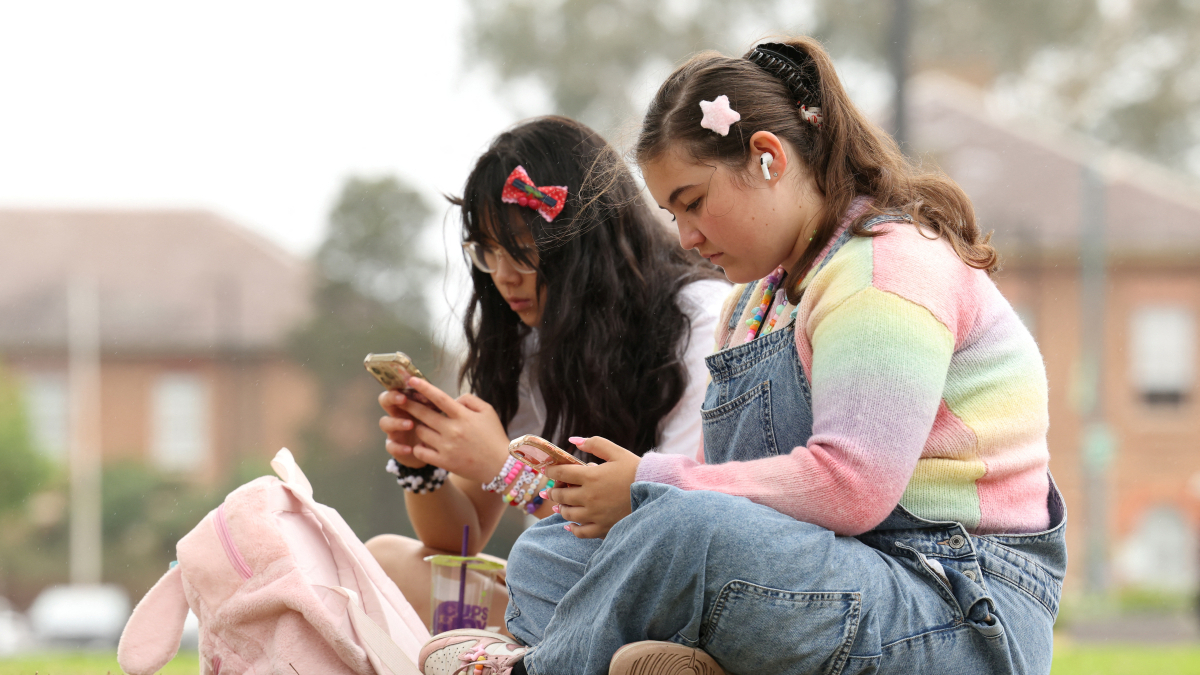
Reactions among young people were mixed as some teenagers expressed sadness at losing access, with reports of users not expecting the ban to take effect so soon and lamenting they “didn’t get to say goodbye to people” after being locked out early.
Others voiced opposition, arguing the law could “create its own issues” and drive harmful behaviour underground rather than prevent it.
On 4 December, the High Court agreed to hear the constitutional challenge from two teenagers, supported by the Digital Freedom Project.
“The minimum age provisions infringe the implied freedom of communication on governmental and political matters and are invalid to the extent of those infringements,” Court documents noted.
Noah Jones, a 15-year-old involved in the High Court challenge, expressed his frustration over the new law.
“As young Australians, we will be completely silenced and cut off from our country and the rest of the world with this ban,” he said.
Parents and community members also shared divergent views.
Some supported the ban as a protective measure, while others warned it was excessive and could fail to stop access or remove harmful behaviour without addressing underlying causes.
Critics of the policy went beyond teenagers and parents, with youth workers and experts raising mental health concerns.
Psychologists cautioned that suddenly disconnecting children from digital social spaces could trigger feelings of isolation and anxiety, particularly for those who rely on online networks for connection and support, such as marginalised or neurodivergent young people.
“Social media also offers vital connection for children who experience stigma or marginalisation,” one mental health expert noted, stressing the importance of providing meaningful alternatives and support during the transition.
International response
The legislation has drawn significant global attention as nations assess how to respond to the pioneering legislation.
New Zealand’s Prime Minister Christopher Luxon has expressed strong support for the measure, saying his government is closely analysing the Australian model as it considers its own youth online safety policies.
Malaysia’s communications minister announced plans to prevent under‑16s from signing up to social media platforms next year, as part of broader child protection efforts.
Denmark has reached a political agreement to ban social media access for children under 15, with exemptions possible for parents, signalling a potential European counterpart to Canberra’s approach.
Across Europe, several countries are actively exploring similar restrictions.
In France, the minister of digital affairs has indicated plans to introduce a bill next year that would restrict social media access for those under 15, reflecting parliamentary recommendations on youth online safety.
Spain is studying draft legislation that would limit social media and AI‑linked services for under‑16s without parental consent. Italy’s Senate is considering a bill to impose age‑related restrictions and includes measures to regulate young “kidfluencers”.
Meanwhile, the EU digital ministers meeting in October 2025 resulted in a declaration supporting stronger protection of minors online, including reinforcing age‑of‑majority discussions in digital spaces.
International organisations have also weighed in as UNICEF cautioned that age‑based bans alone may not suffice to protect children online, urging a combination of safer design, digital literacy and parental involvement.
Australia’s social media ban for under‑16s represents a world-first approach to online youth protection, sparking legal challenges, public debate and global attention.
While the law aims to safeguard young people from harmful content and excessive screen time, its effectiveness and broader societal impact remain to be seen.
Governments, parents and digital experts worldwide are watching closely, weighing whether such strict measures offer a model for safer online spaces or push children toward alternative platforms and unregulated corners of the internet.

















What is your opinion on this topic?
Leave the first comment