Amid ongoing conflicts and geopolitical tension, 2025 became a year defined not only by confrontation but also by a series of diplomatic efforts aimed at reducing violence, easing humanitarian crises and opening paths to long-term stability.
Across continents, leaders met for negotiations, ceasefire arrangements and peace frameworks, each contributing to attempts — gradual or significant — to shift conflicts toward dialogue. These meetings did not resolve every dispute, yet together they marked visible steps in the direction of de-escalation.
The year’s first major peace gathering took place on 8 February in Dar es Salaam, Tanzania, where East African and Southern African leaders held a joint EAC–SADC summit focused on the conflict in eastern Democratic Republic of Congo. Talks centred on the M23 insurgency, displacement in North Kivu and regional security coordination. Delegations reviewed military monitoring, relief access and mechanisms for stabilisation, concluding with commitments to harmonise regional peace efforts and improve information-sharing channels.
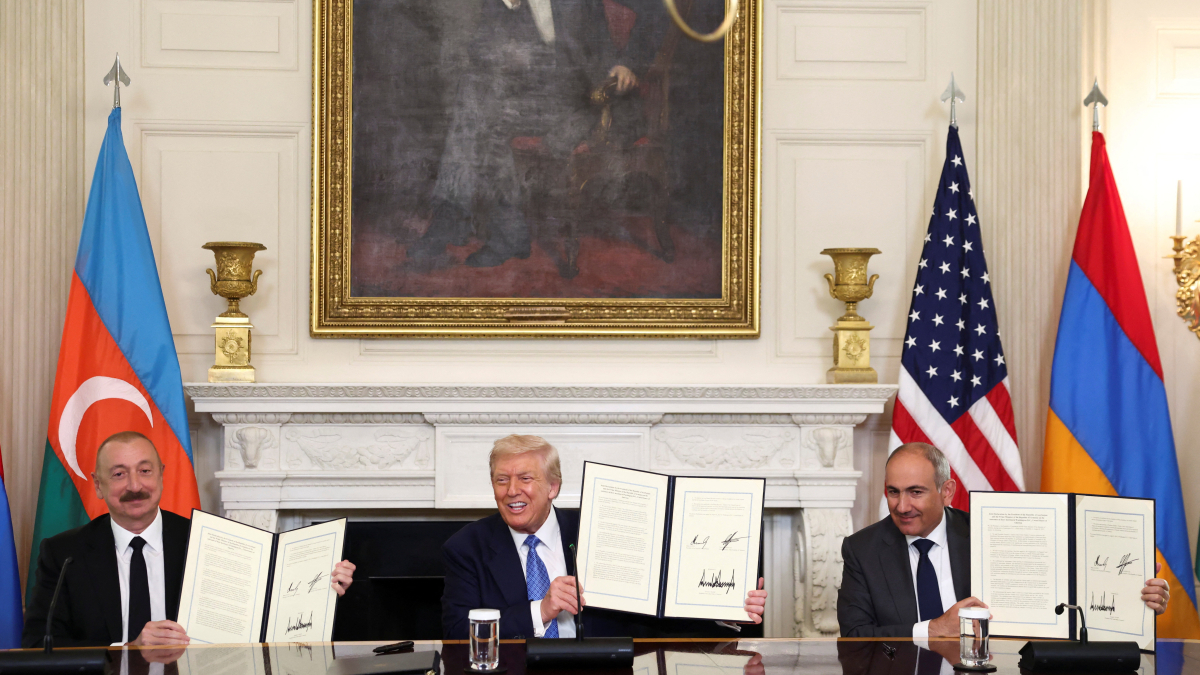
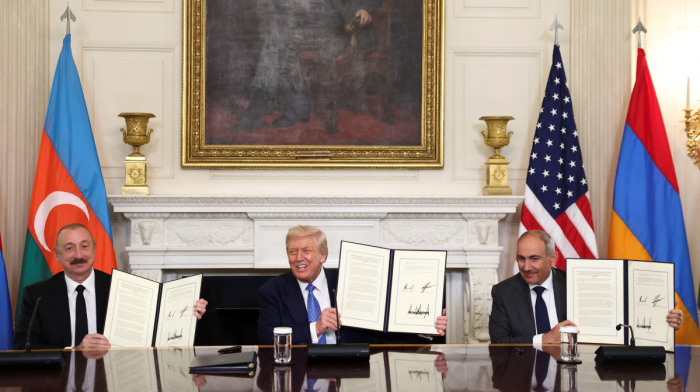
One of the most notable breakthroughs followed months later. On 8 August, Azerbaijan and Armenia signed a peace deal in Washington, D.C., formally outlining steps for the normalisation of relations. The agreement included border demarcation work, transport link reopening, humanitarian cooperation and mine-clearance coordination. Joint commissions were established to guide implementation and reduce the risk of renewed escalation, marking the most concrete step toward resolution in decades of tension.
Days later, international diplomacy turned to the war in Ukraine when U.S. President Donald Trump and Russian President Vladimir Putin met in Alaska on 15 August. The meeting focused on ceasefire options, prisoner exchange pathways and grain export guarantees. Both sides agreed to continue discussions, with further negotiation channels activated to explore security arrangements and humanitarian access.
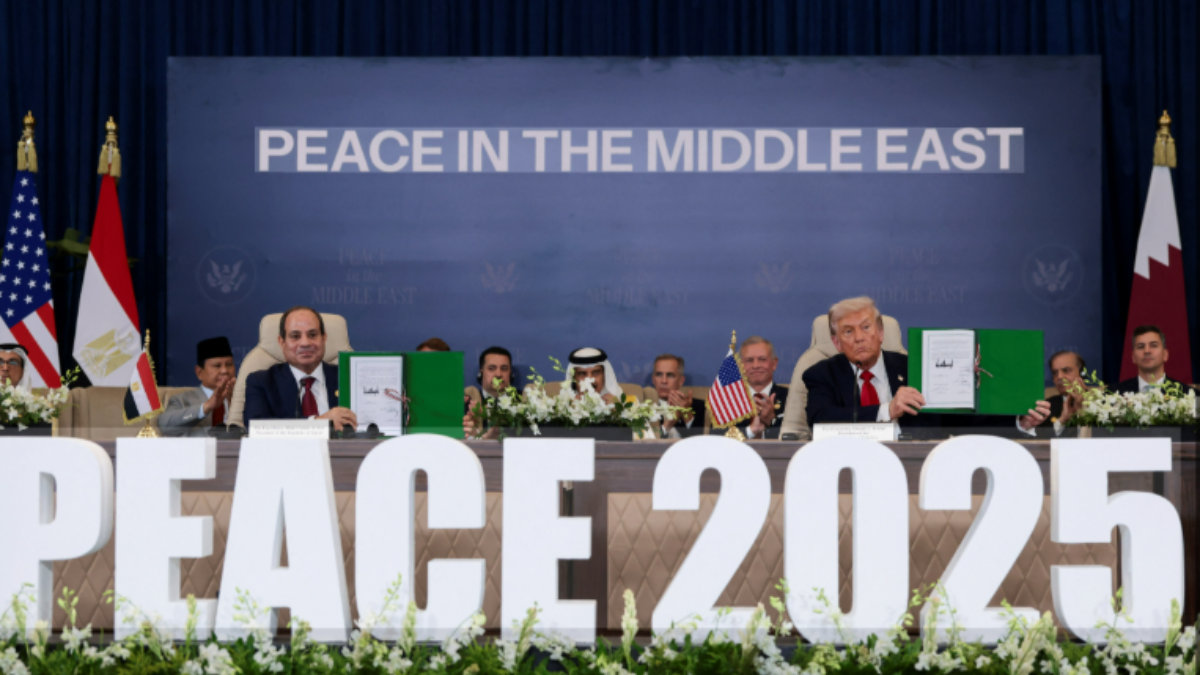
Momentum in Middle Eastern diplomacy followed when Trump introduced a Gaza peace proposal at the Sharm El-Sheikh Summit in Egypt on 13 October. The plan outlined ceasefire phasing, reconstruction support and aid delivery mechanisms overseen by international partners. That same day, the first confidence-building measures began: Israelis gathered near Reim as convoys transported freed hostages, while in Ramallah, crowds welcomed released Palestinian prisoners under the initial exchange track of the agreement.
Later in the year, another conflict track advanced when representatives of the Democratic Republic of Congo and figures associated with the M23 movement signed a peace framework in Doha on 15 November. The document detailed steps for monitored withdrawals, humanitarian corridors and reintegration channels, alongside committees tasked with implementation and dispute resolution.
Europe continued pursuing diplomatic engagement when EU leaders met in Brussels on 18 December to discuss support frameworks for Kyiv. The summit addressed long-term assistance packages for Ukraine, coordination of defence industry capacity, humanitarian financing and planning for reconstruction. Leaders agreed to maintain sustained contact with Ukrainian authorities and to continue negotiations into the next stage of support planning.
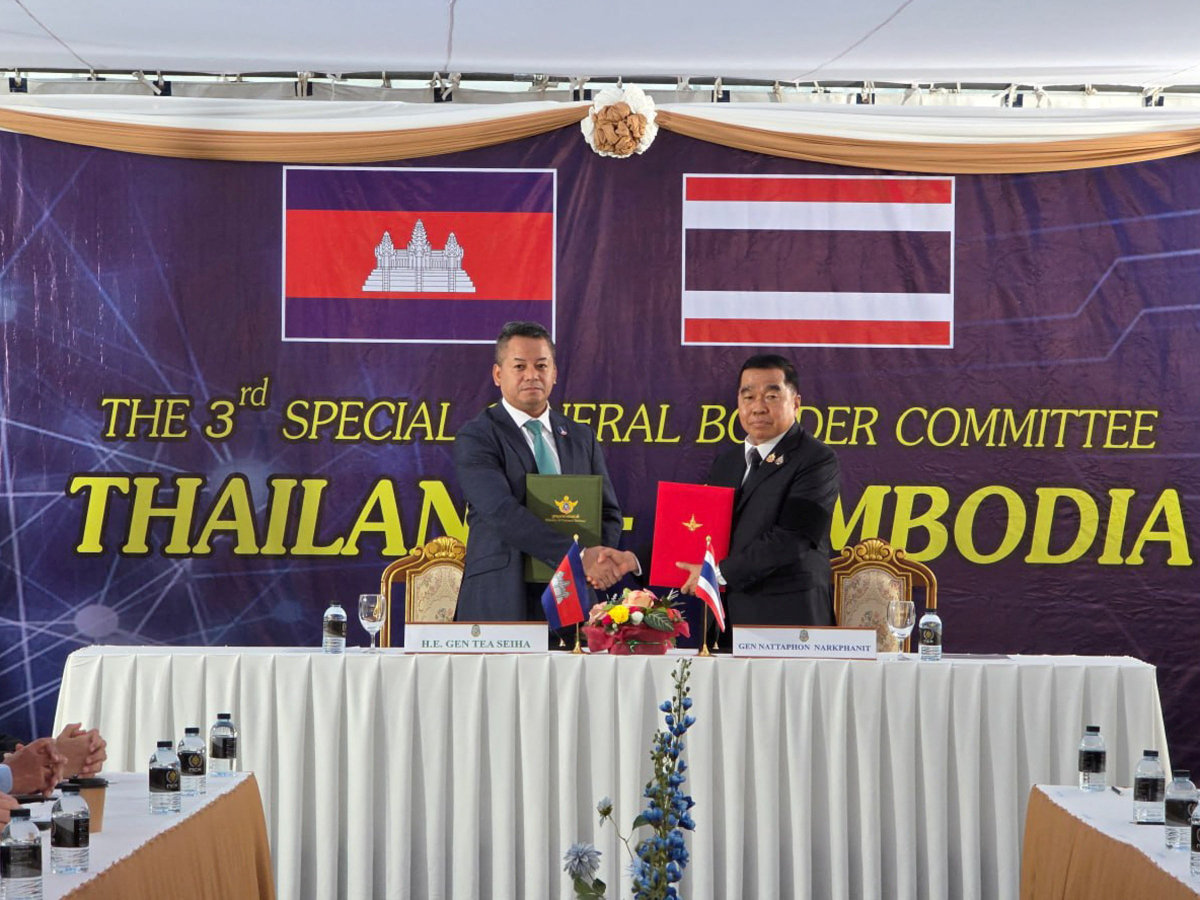
Regional détente in Southeast Asia came shortly after, when Thailand and Cambodia signed a truce on 27 December in Chanthaburi Province to ease border tensions. The agreement established joint patrol coordination, communication lines to prevent military incidents and future technical-level talks to resolve disputed areas.
The year closed symbolically with further dialogue on Ukraine, as President Volodymyr Zelenskyy met Donald Trump in Palm Beach, Florida, on 29 December. Talks focused on security guarantees, phased de-escalation proposals and reconstruction strategy. The two sides agreed to keep negotiations active into the following year, maintaining the momentum built through successive diplomatic encounters.
From border agreements and prisoner exchanges to peace frameworks and summit-level negotiations, 2025 demonstrated that even in a year marked by conflict, diplomacy remained a central tool. While none of the processes guaranteed immediate resolution, each meeting formed part of a broader effort to transform confrontation into structured dialogue — shaping the trajectory of peace efforts moving forward.









What is your opinion on this topic?
Leave the first comment