The long-standing rivalry between India and Pakistan over Kashmir reached a dangerous peak in 2025, as missile strikes, drone warfare, and rapid military escalation brought the two nuclear-armed neighbours to the brink of full-scale war.
The crisis was set into motion in April when a devastating attack near Pahalgam killed 26 civilians. India quickly accused Pakistan of supporting cross-border terrorism, a claim Pakistan denied, calling the attack a “false flag operation.”
The incident marked a turning point, prompting a swift diplomatic rupture, military mobilisation, and a series of military actions. Both nations blamed each other for the escalation, leading to growing fears of a full-scale war.
Operation Sindoor and Escalation
On May 7, India launched Operation Sindoor, a series of missile strikes aimed at what it called “terrorism-related infrastructure” linked to the militant groups Jaish-e-Mohammed and Lashkar-e-Taiba in Pakistan and Pakistan-administered Azad Kashmir.
The Indian government insisted that no Pakistani military or civilian facilities were targeted, framing the strikes as part of the fight against terrorism.
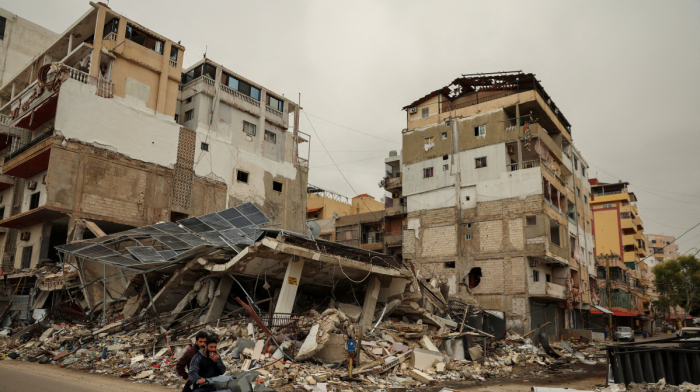
However, Pakistan claimed the missile strikes hit civilian areas, including mosques, and resulted in significant civilian casualties.
Border skirmishes erupted, and drone strikes became a common feature of the conflict, marking what would be referred to as the first-ever drone battle between two nuclear-armed countries. The tension continued to rise as both sides exchanged fire across the border and ramped up military operations.
Pakistan’s Retaliation: Operation Bunyan al-Marsus
On May 10, Pakistan launched Operation Bunyan al-Marsus, claiming to target several Indian military bases.
In response, India expanded its scope of Operation Sindoor to include Pakistani military installations.
With the situation rapidly spiraling out of control, both nations stood at the precipice of an all-out war, with the international community watching closely and urging restraint.
Breakthrough came after urgent hotline communications between the Directors General of Military Operations from both sides.
On the same day, both India and Pakistan announced a ceasefire, effective from 5:00 pm IST on May 10.
The ceasefire was a crucial moment in de-escalating the conflict, and normalcy began to return. Commercial flights resumed, and both sides claimed victory in the face of a potentially catastrophic war.
While the ceasefire halted the immediate military confrontation, the crisis left lasting tensions between the two nations.
Kashmir remains a highly sensitive and volatile region, with both India and Pakistan continuing to assert their claims over the territory.
Diplomacy ultimately played a pivotal role in pulling the two countries back from the brink.
However, the 2025 conflict underscores the ongoing risks posed by the Kashmir dispute and the complex dynamics between nuclear-armed nations.















What is your opinion on this topic?
Leave the first comment