The year 2025 was marked by widespread protests and civil unrest across multiple regions, as citizens took to the streets to voice anger over political decisions, economic pressures, governance failures and social inequality.
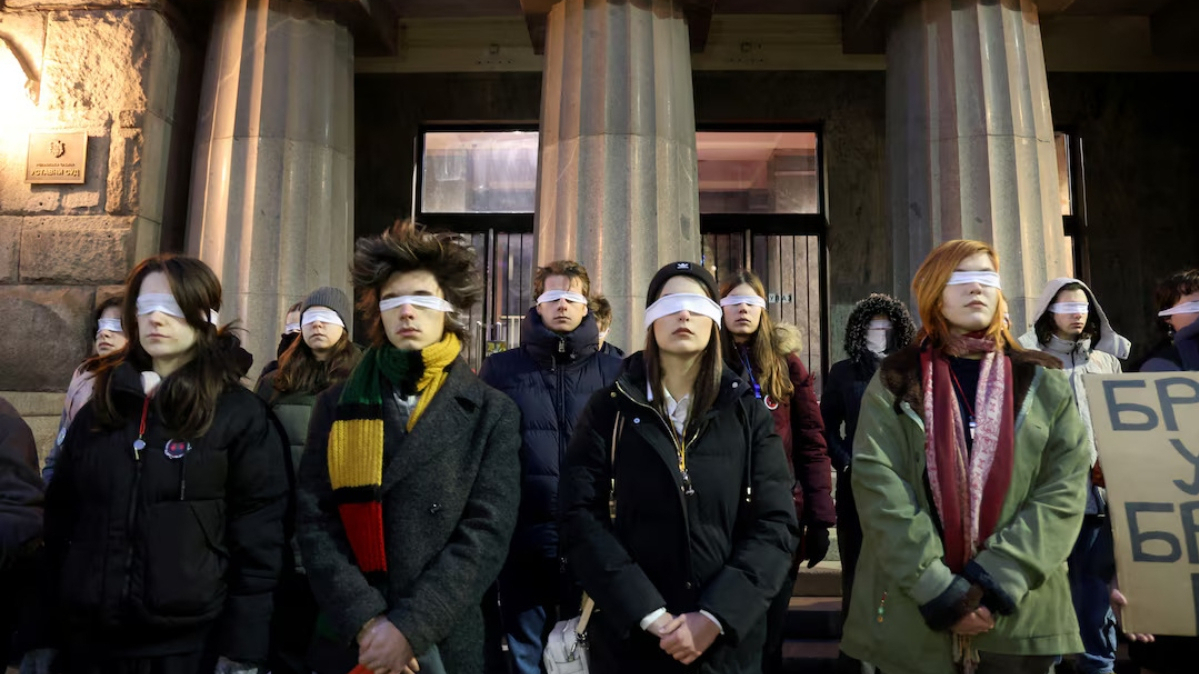
The first major demonstrations of the year unfolded in Serbia on 12 January, when tens of thousands of people joined student-led protests outside the constitutional court in Belgrade.
The demonstrations, which also spread to the northern city of Novi Sad, were driven by opposition to government policies and concerns over democratic standards.
Protesters waved national flags, blocked streets and called for institutional reforms, while authorities deployed riot police to secure key buildings.
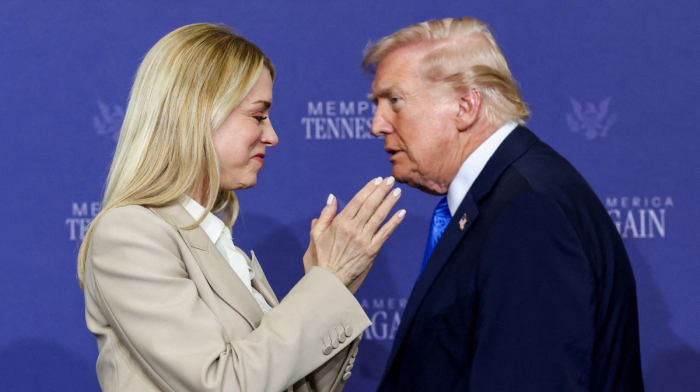
In the United States, political tensions flared on 3 February after senior Democrats criticised discussions involving Elon Musk and former President Donald Trump over the possible shutdown of the U.S. Agency for International Development (USAID).
While the dispute played out largely through political channels, protests and demonstrations were held in Washington, D.C., with activists warning that cutting the agency would undermine humanitarian aid and U.S. influence abroad.
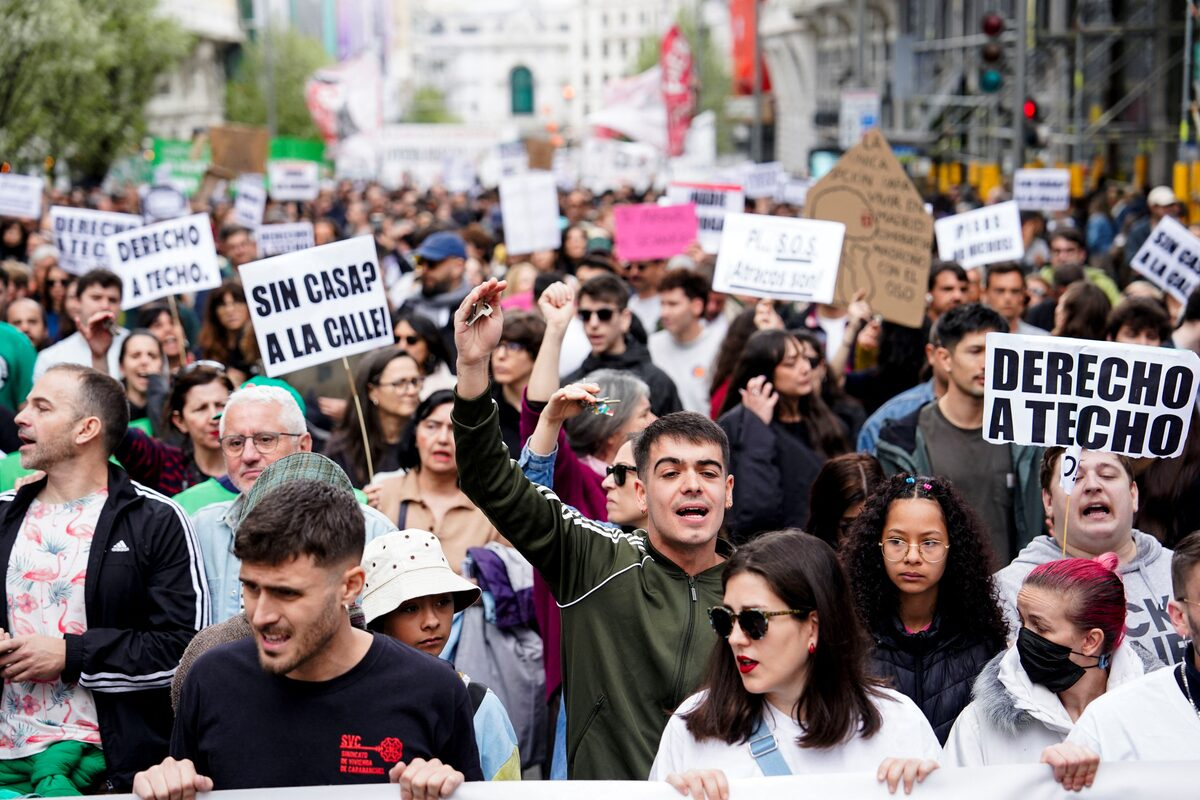
Economic pressures dominated protests in Spain, where thousands marched through the streets of Madrid on 5 April demanding action on the country’s worsening housing crisis.
Demonstrators called for rent controls, limits on short-term tourist rentals and greater protections for tenants, as soaring housing costs continued to fuel public frustration.
In Israel, tensions escalated on 5 May as anti-government protesters clashed with police outside the Knesset in Jerusalem.
Demonstrators opposed proposed judicial reforms and accused the government of eroding democratic checks and balances.
Police used crowd-control measures to disperse protesters, and several arrests were reported during the scuffles.
The United States again saw unrest on 7 June, when federal agents and anti-ICE demonstrators faced off in Los Angeles.
Street fires burned as protests erupted over immigration enforcement actions, forcing authorities to close roads and deploy additional law enforcement units to restore order.
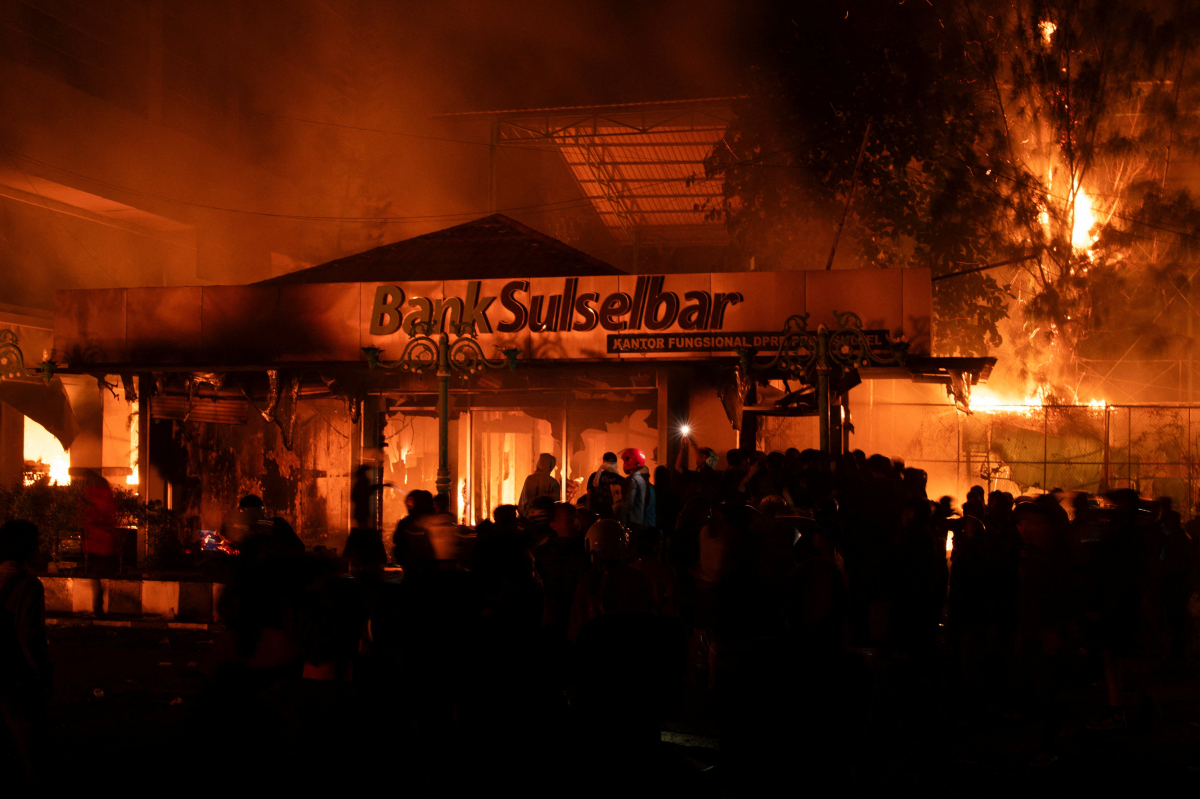
One of the deadliest protest-related incidents of the year occurred in Indonesia on 29 August, when demonstrators set fire to a regional parliament building in Makassar.
At least three people were killed in the violence, prompting a heavy security response and renewed debate over public dissent and police tactics in the country.
In Nepal, protests turned increasingly deadly in early September, with the death toll rising to 14 by 8 September amid clashes between demonstrators and security forces in Kathmandu.
Protesters had taken to the streets over economic hardship and political grievances, prompting the government to impose curfews and deploy troops.
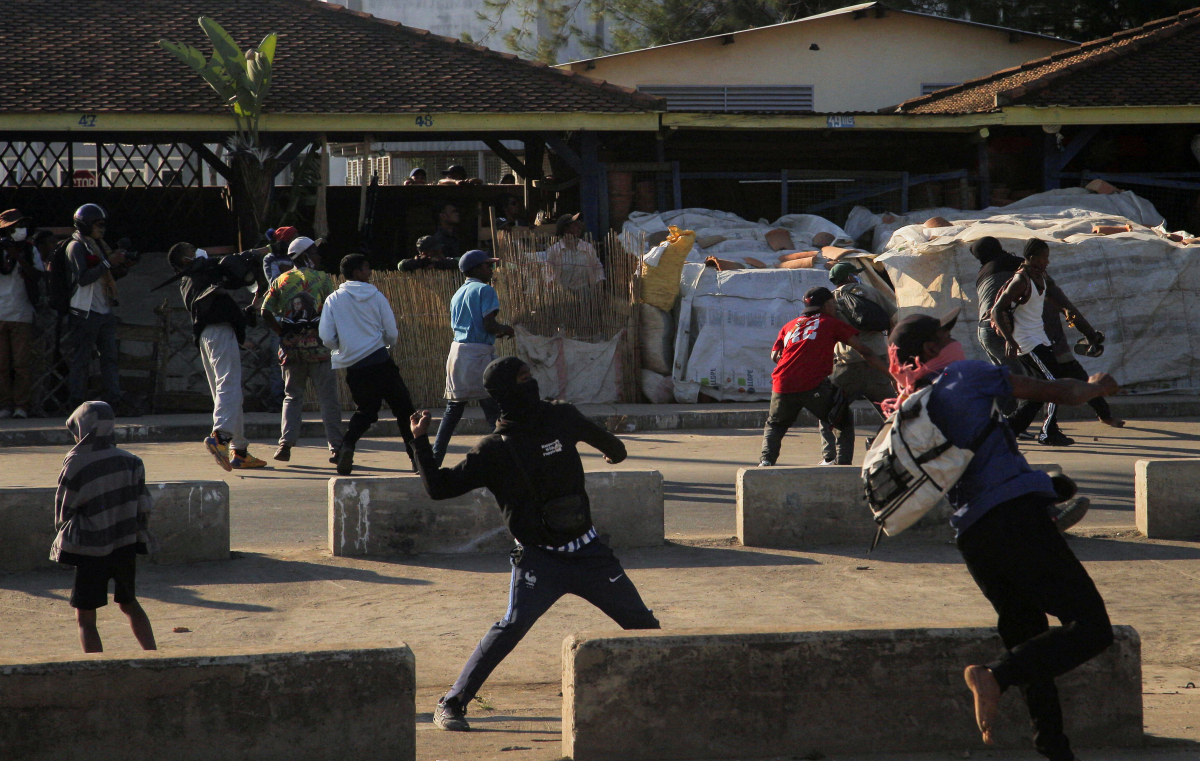
Political unrest persisted in Madagascar, where demonstrations continued throughout the year, culminating on 1 October with renewed calls for President Andry Rajoelina to resign.
Protesters in Antananarivo accused the government of corruption and economic mismanagement, while security forces maintained a strong presence in the capital.
Environmental and indigenous rights took centre stage in Brazil on 17 November, when indigenous groups staged protests in Belém during discussions linked to COP30 climate policy.
Demonstrators demanded land demarcation and stronger protections for ancestral territories, warning that development projects and deforestation threatened their livelihoods and culture.
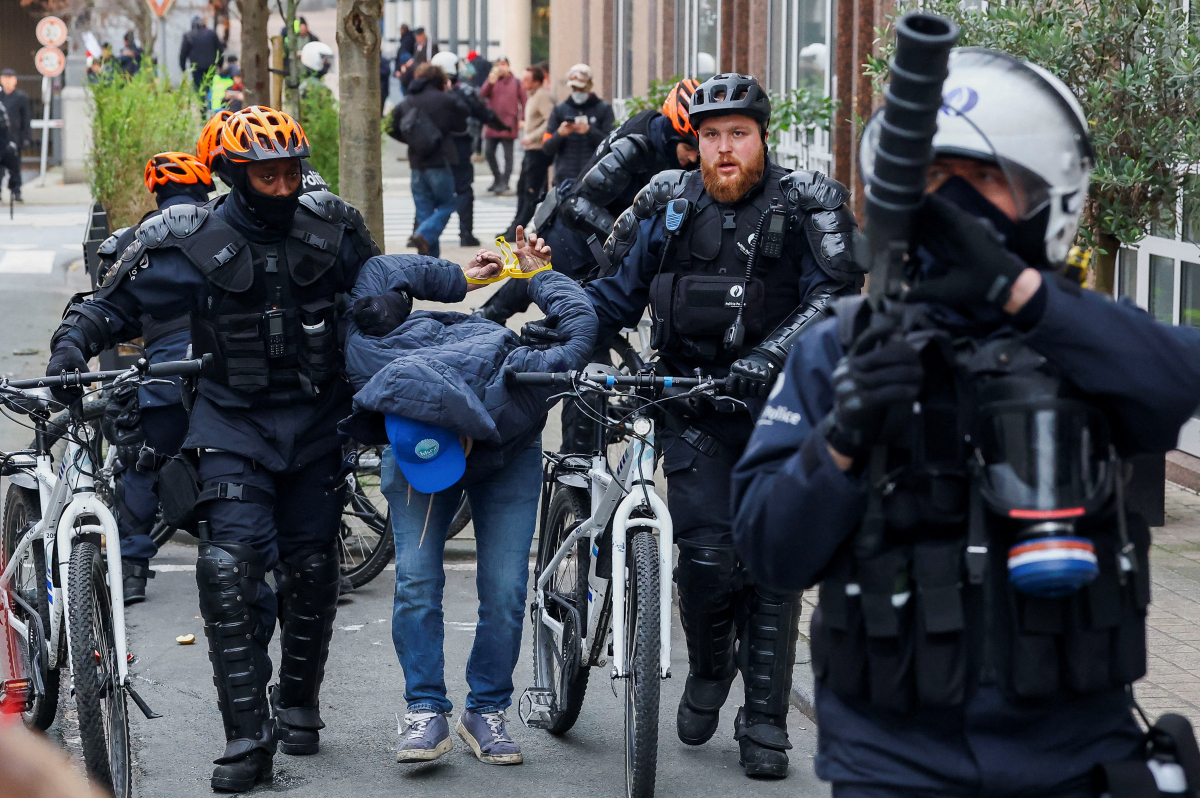
The year concluded with scenes of unrest in Europe, as farmers hurled smoke bombs at police during protests in Brussels on 18 December, coinciding with a meeting of European Union leaders.
The demonstrations reflected mounting anger over agricultural policies, rising costs and environmental regulations affecting farmers across the bloc.
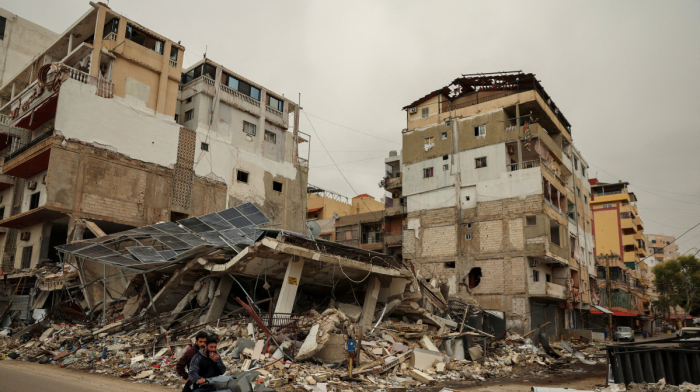
Together, these protests underscored a year of heightened public mobilisation and political tension worldwide. While the causes varied — from housing and climate policy to governance and economic hardship — the scale and frequency of demonstrations in 2025 highlighted growing demands for accountability and reform, shaping global headlines throughout the year.











What is your opinion on this topic?
Leave the first comment