From the invasion of Ukraine to today’s border ceasefire in Southeast Asia, the global security architecture has undergone a period of unprecedented strain.
Here are all the wars and conflicts that grabbed headlines in the year despite some of them beginning a few years ago.
November 2021: M23 Resurgence in DRC
In the Eastern Democratic Republic of Congo, the M23 rebel group launched a major offensive that continues to this day.
Allegations of Russian private military involvement and regional backing have complicated peace efforts, with heavy fighting reported near Uvira as recently as the morning of 27 December 2025.
24 February, 2022: The Invasion of Ukraine
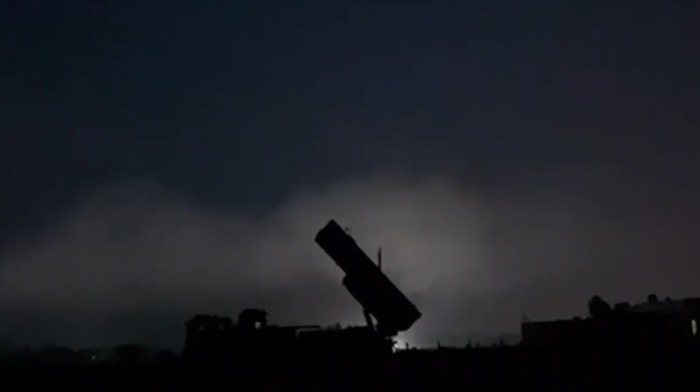
Russia’s full-scale invasion of Ukraine remains the anchor of global instability. What began as a "special military operation" has evolved into a grinding war of attrition. By late 2025, the conflict is increasingly defined by long-range drone strikes on energy infrastructure, leaving both nations grappling with severe power shortages this winter.
14 April, 2023: Sudan’s Civil War
A power struggle between the Sudanese Armed Forces (SAF) and the Rapid Support Forces (RSF) plunged Sudan into a catastrophic civil war.
Despite multiple rounds of talks, the country remains divided, with the RSF controlling much of the west and the SAF holding the east.
7 October, 2023: The Gaza War
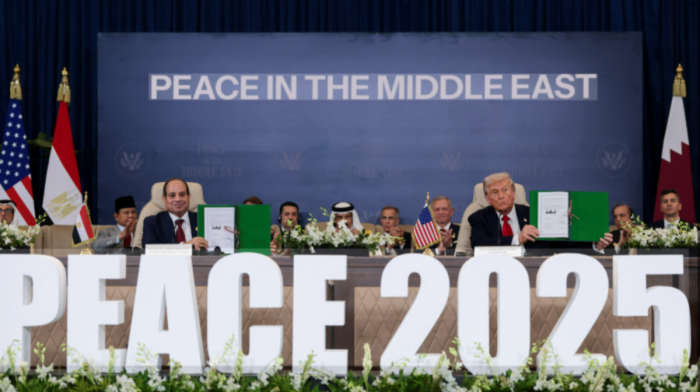
The Hamas attacks on Israel triggered a two-year war that fundamentally altered Middle Eastern diplomacy. A final ceasefire and hostage-release agreement were only finalised on 10 October, 2025, leaving a devastated Gaza Strip under a tentative international transitional authority.
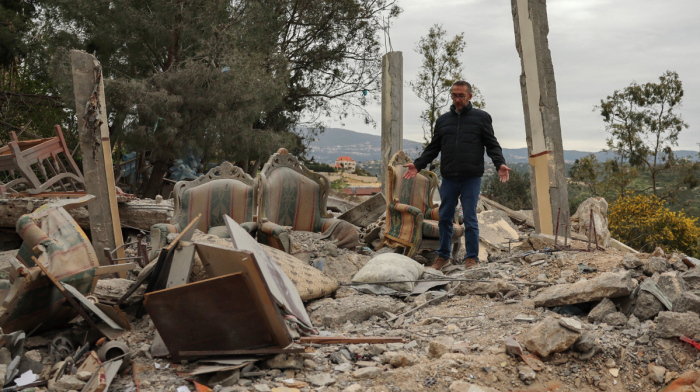
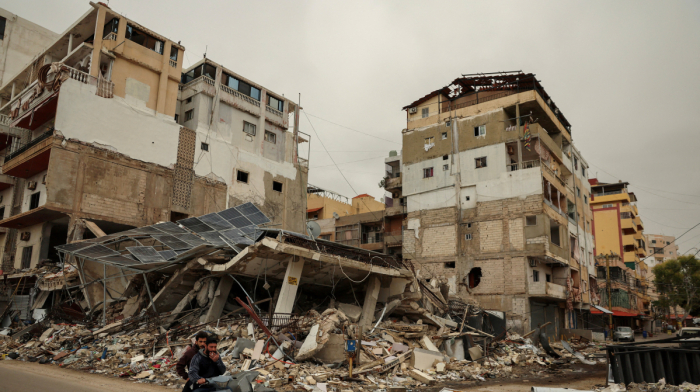
1 October 2024: The Lebanon Front
Following a year of cross-border fire, Israel launched a ground invasion into Southern Lebanon to push Hezbollah forces back from the border. The "hot" phase of the war ended with a withdrawal on 18 February, 2025, though the Blue Line remains the most heavily monitored border in the region.
5 May, 2025: Israel and Yemen
Seeking to end Houthi interference with global shipping, Israel and a coalition of allies launched five months of intensive strikes on Yemeni port infrastructure. The campaign reached a "frozen" status following the broader Gaza ceasefire in October.
7 May 2025: India and Pakistan
A three-day crisis between India and Pakistan erupted following a militant attack in Kashmir. The brief but intense conflict, involving significant aerial dogfights and missile exchanges, was halted on 10 May following urgent diplomatic intervention by the UN Security Council.
The 12-Day War U.S./Israel and Iran
Commonly known as the "12-Day War," Israel struck Iran on 13 June triggering the the first direct, large-scale confrontation between Israel and Iran. On 22 June, the U.S. joined the fray with Operation Midnight Hammer, using B-2 bombers to strike nuclear enrichment sites at Natanz and Fordow. The conflict ended on 25 June, resulting in a major recalibration of Iranian regional influence.
24 July, 2025: Thailand and Cambodia
The conflict erupted on 24 July with airstrikes and artillery duels over contested border temples, killing dozens and triggering a brief, unstable truce by month's end. Fighting erupted again on 8 December, reigniting heavy combat that displaced over one million people at its peak. After three weeks of intense warfare, a comprehensive ceasefire was finally signed on 27 December 2025, to end the hostilities and begin the repatriation of refugees.
9 October, 2025: Afghanistan and Pakistan
Pakistan conducted a series of targeted strikes against TTP militants inside Afghanistan, leading to a ten-day border war with Taliban forces. Fighting ceased on 19 October, though the border remains closed to commercial traffic.












What is your opinion on this topic?
Leave the first comment