Iran's Khamenei orders immediate response to any threat 'without geographical limit'
Iranian Supreme Leader Ayatollah Khamenei has ordered Iran's armed forces to respond to any threat immediately and without geographical li...
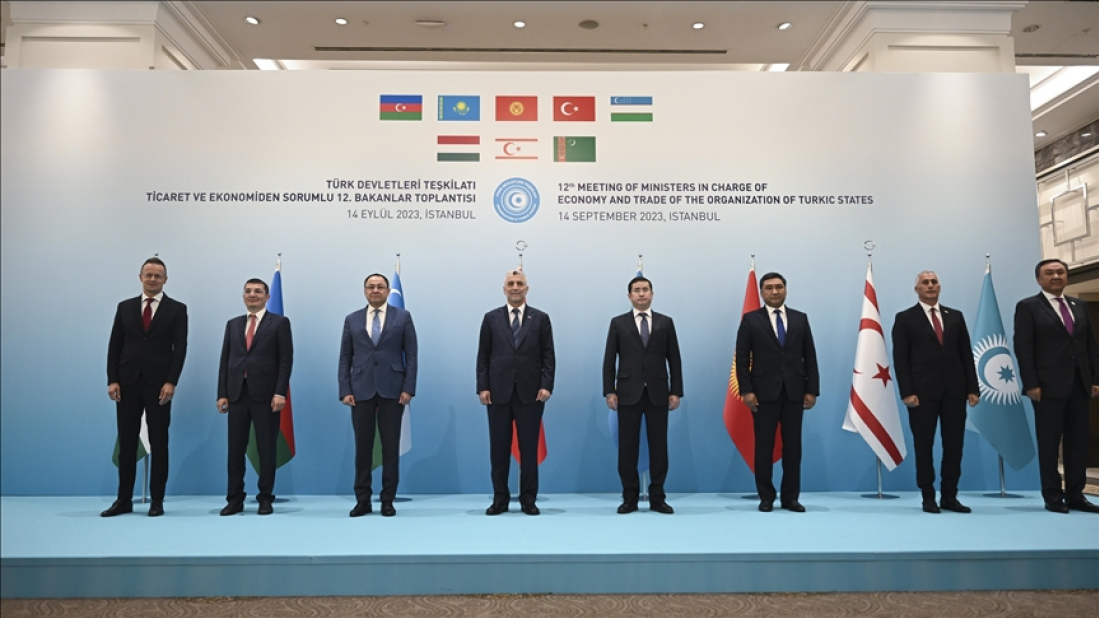
Turkish Vice President Cevdet Yılmaz has hailed the growing importance of the Organisation of Turkic States (OTS) amid rapidly shifting regional and global dynamics.
“The progress achieved by the OTS in recent years is extremely valuable,” Yılmaz said, adding that peace in the South Caucasus would enhance connectivity between Türkiye and fellow Turkic states.
Yılmaz made the remarks after attending a meeting of OTS prime ministers and vice presidents, which convened on Thursday in Baku.
Originally founded in 2009 as the Turkic Council and renamed in 2021, the OTS is an intergovernmental body that brings together Turkic-speaking countries to enhance political, economic and cultural cooperation.
Alongside Türkiye, core OTS members include Azerbaijan, Kazakhstan, Kyrgyzstan and Uzbekistan, while Hungary, Turkmenistan and Northern Cyprus hold observer status.
Headquartered in Istanbul, the organisation seeks to promote regional connectivity, trade integration and coordination on foreign policy among member states.
Speaking in Baku, Yılmaz highlighted the strong economic performance of the organisation’s core members.
“While global growth stood at around 3 per cent last year, OTS member countries recorded growth of approximately 6 per cent,” he said.
“They are advancing at nearly double the global rate, with rising national incomes,” he added.
According to the vice president, the OTS aims to boost intra-regional trade, which currently accounts for only 6 per cent of total exports among member states.
He stressed the need to raise this figure by signing inter-bloc trade agreements, streamlining customs procedures and improving transport links.
Addressing the ongoing conflict in the Middle East, Yılmaz reiterated Türkiye’s determination to avoid being drawn into the crisis.
“The conflict between Iran, Israel and the U.S. threatens the peace and stability of a broad region, including areas linked to the Turkic states,” he said.
The Middle East conflict remains tense as diplomatic efforts continue alongside renewed Houthi attacks. Iran says it remains open to mediation, while the Saudi-led coalition says it intercepted a ballistic missile fired towards the kingdom.
Evacuations and the provision of humanitarian aid in the Russian-occupied southern Ukrainian town of Oleshky have begun, a senior Ukrainian official said on Friday. In a statement on Telegram, David Arakhamia said a six-day ceasefire was holding, and that more details would follow.
Qatari mediators returned to Tehran on Friday as part of efforts to reach a deal between the U.S. and Iran, according to an official briefed on the talks.
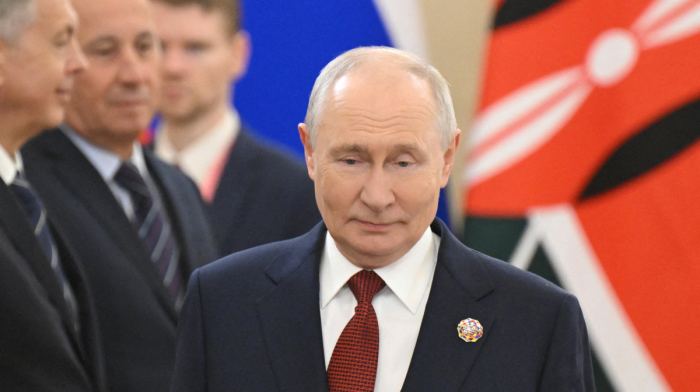
Russian President Vladimir Putin said Russia remains willing to rebuild relations with European countries but warned that any wider conflict on the continent would leave no winners, as he commented on recent diplomatic contacts with Nordic leaders and growing security concerns in the Baltic region.
Hackers have pulled off a staggering $6.3 billion cryptocurrency heist targeting Binance, shaking confidence in one of the world's biggest digital asset exchanges and sending crypto prices tumbling. U.S. analysts suspect North Korea was behind the attack.
Demonstrators carrying Iranian flags and placards supporting the hijab gathered outside the Azerbaijani Embassy in London.
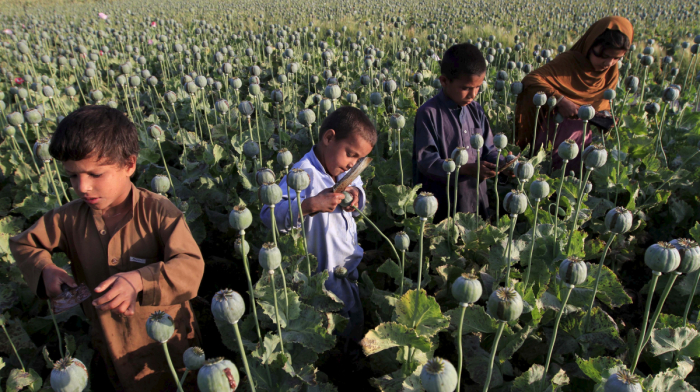
Opium poppy cultivation in Afghanistan surged by 330 per cent in 2026 despite a four-year ban, the United Nations said on Thursday. Afghan authorities disputed the findings, while Japan urged continued support for farmers seeking alternative livelihoods.
Central Asia could gain up to $640 million a year from closer energy cooperation, but strained electricity grids threaten to limit those gains, with Kazakhstan particularly exposed to regional power shortages and growing pressure on its network.
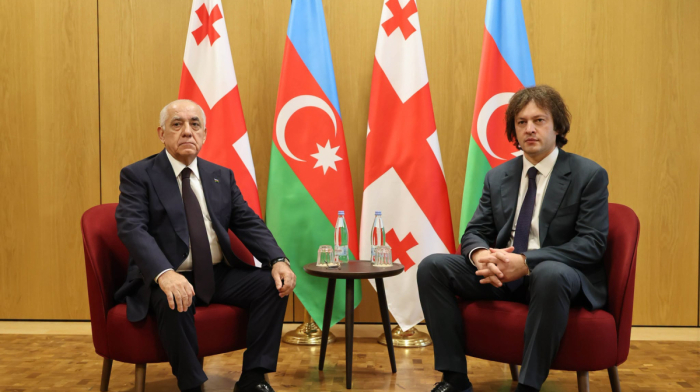
Georgia and Azerbaijan are stepping up efforts to boost trade, strengthen transport links between Asia and Europe and resolve a longstanding border dispute, as both countries seek to deepen their strategic partnership.
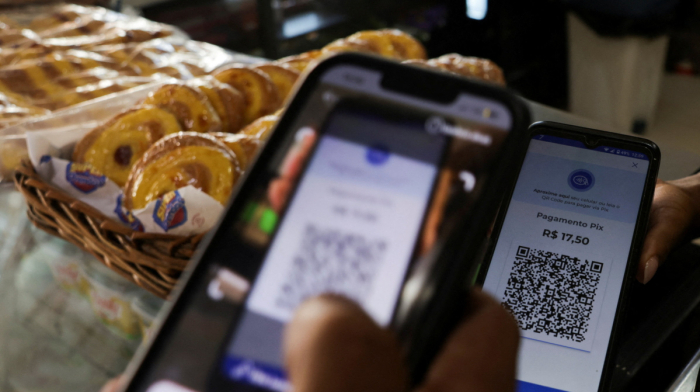
People travelling between Uzbekistan, Kazakhstan, Kyrgyzstan, Tajikistan and Azerbaijan could soon be able to pay for purchases using their usual banking apps. Central banks from the five countries are working on linking their national payment systems.
You can download the AnewZ application from Play Store and the App Store.
What is your opinion on this topic?
Leave the first comment