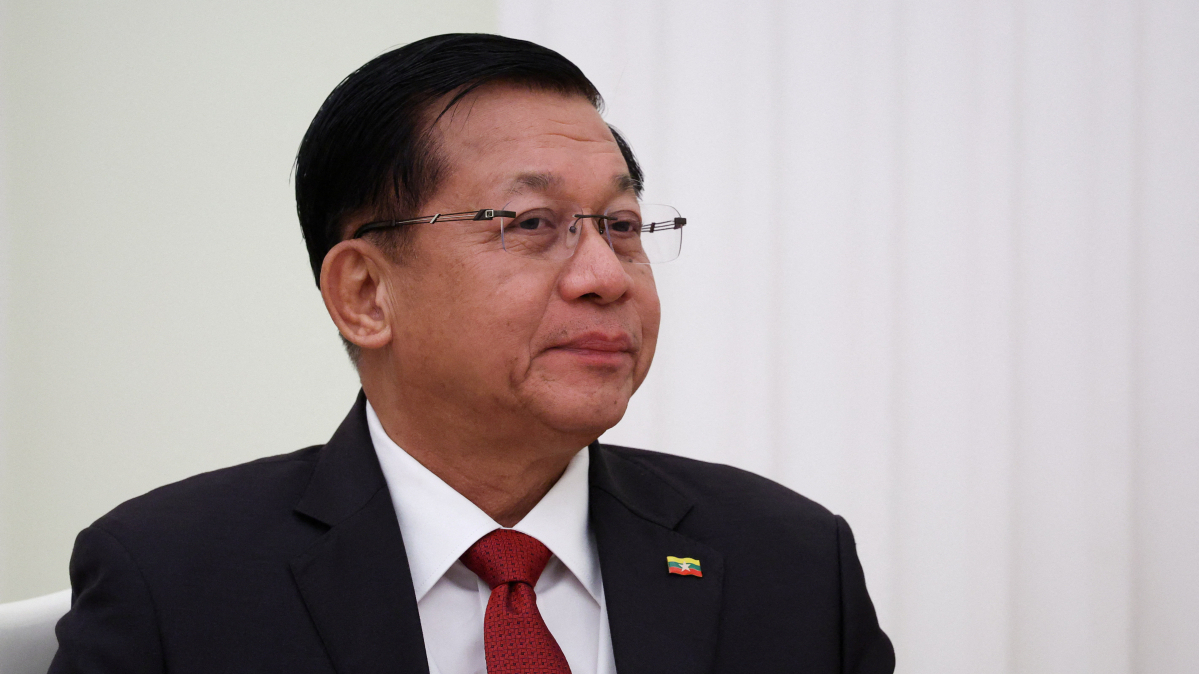
A parliamentary vote in Myanmar has elected junta chief Min Aung Hlaing as president, consolidating his grip on power five years after he ousted an elected government in a coup.
On Friday, Min Aung Hlaing secured a decisive victory in a parliamentary vote, backed by lawmakers from the dominant Union Solidarity and Development Party (USDP) and the military’s bloc of appointed legislators. The former commander-in-chief won by a substantial margin, reinforcing his transition to a nominally civilian leadership role.
Since seizing power in February 2021, the 69-year-old general has faced a turbulent tenure marked by the ousting and detention of former leader and Nobel Peace Prize laureate Aung San Suu Kyi. That move triggered mass protests that escalated into a nationwide armed resistance against military rule.
A controlled transition
The election follows a tightly managed vote held in December and January, in which the USDP - a party largely composed of retired military officers - secured an overwhelming majority. Critics and Western governments have dismissed the process as a sham designed to entrench military control behind a civilian façade.
Another controversial appointment
Ye Win Oo, a former intelligence chief and close ally of Min Aung Hlaing, has been appointed commander-in-chief of the armed forces. The move is widely seen as ensuring continued military loyalty as Min Aung Hlaing assumes the presidency.
Analysts say Ye Win Oo’s rise reflects entrenched patronage networks within the military, with little expectation of meaningful change despite ongoing allegations of abuses by security forces.
Context of the rule
After the USDP’s landslide defeat in the 2020 elections, Min Aung Hlaing seized power, citing electoral irregularities and concerns over the military’s influence.
Following years of conflict and instability, he has now formally exchanged military leadership for the presidency, consolidating authority through a tightly controlled political transition.












What is your opinion on this topic?
Leave the first comment