live U.S. launches navy blockade of Iranian ports as Tehran vows retaliation- Tuesday 14 April
The U.S. military began a blockade of Iran's ports on Monday, President Donald Trump said, and Tehran threaten...
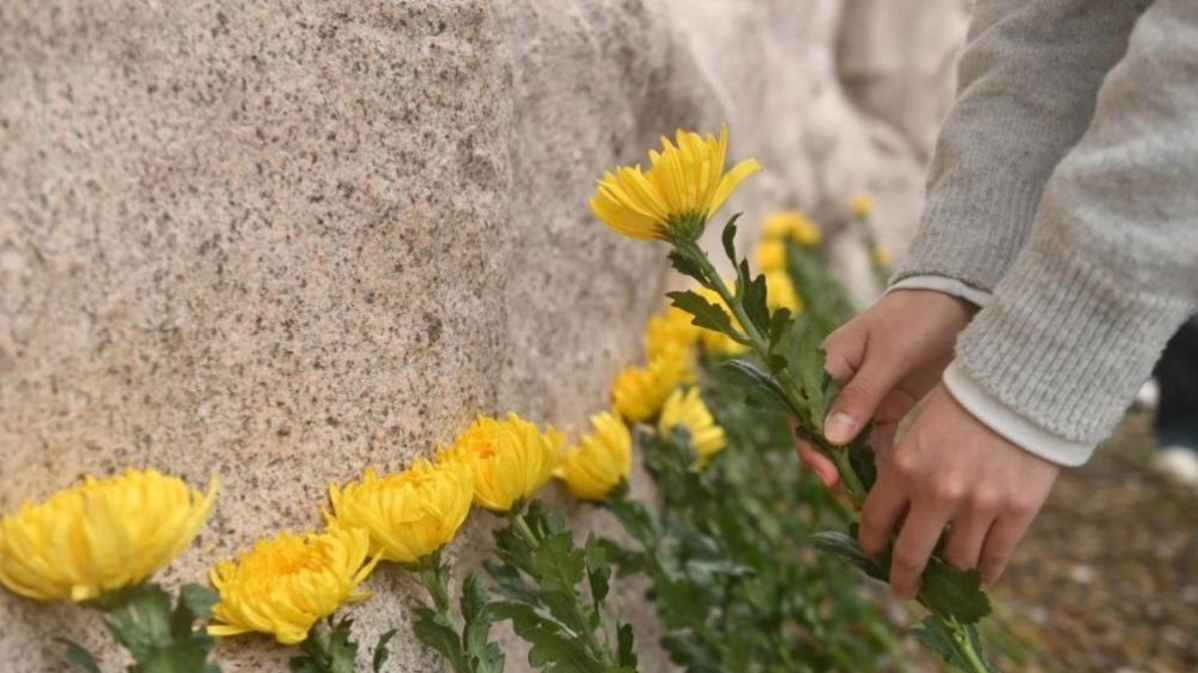
Across China, people are taking part in a wide range of activities to honour fallen heroes ahead of the Qingming Festival, a traditional time for remembrance and paying respect to the deceased.
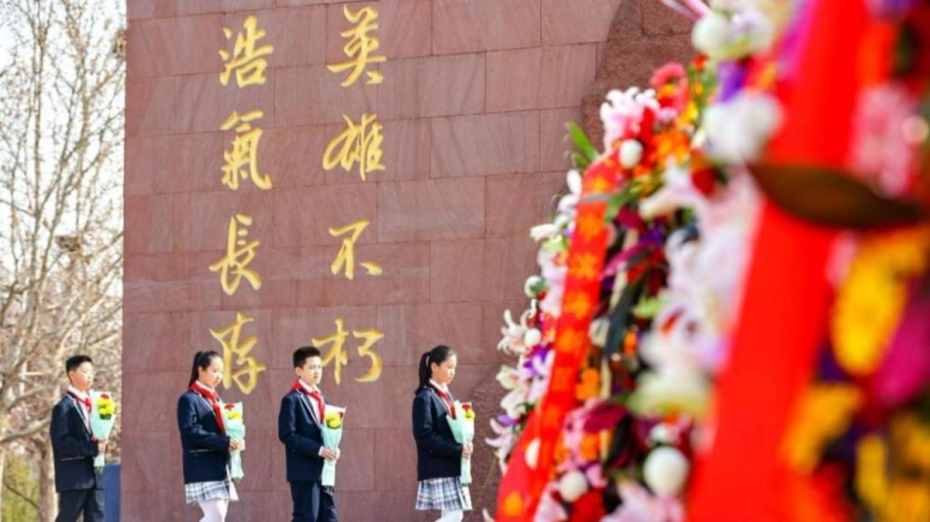
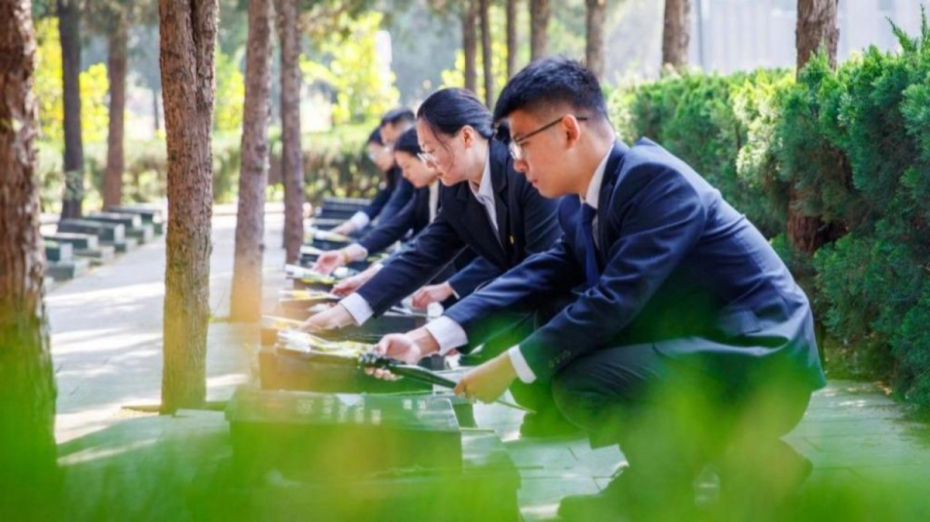
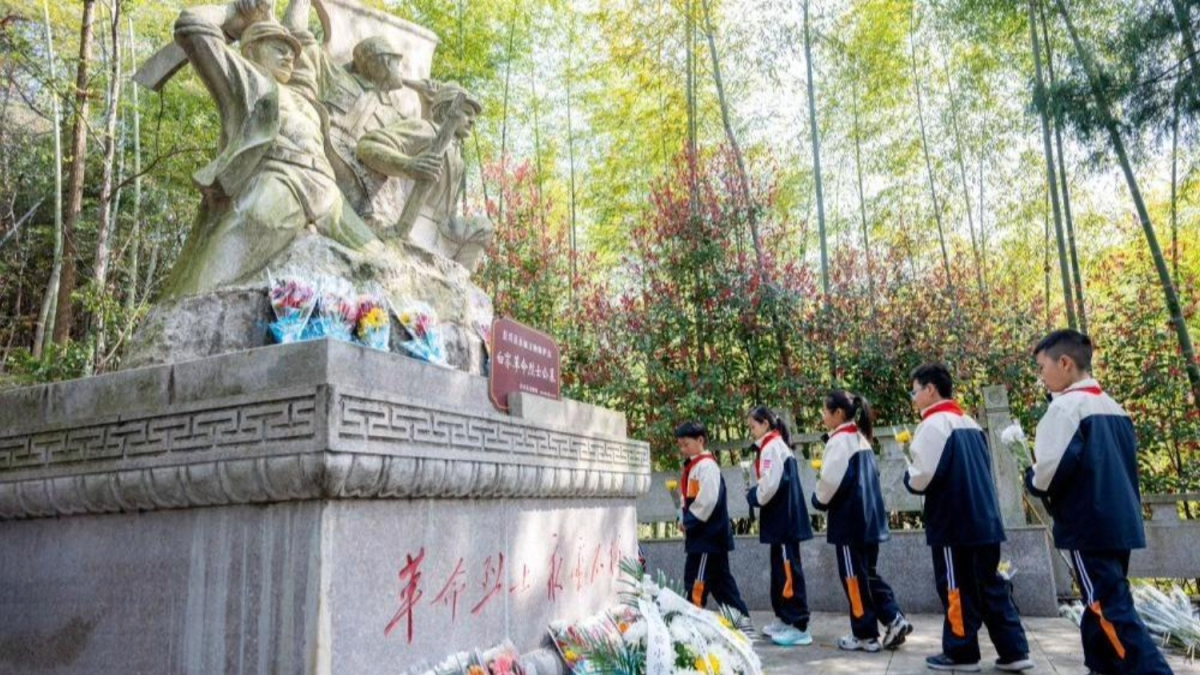
In both cities and rural areas, crowds have gathered at cemeteries, memorial halls and revolutionary sites to commemorate martyrs who lost their lives in wars and national struggles. Many brought flowers, cleaned gravestones and observed moments of silence as a mark of respect.
Schools and local communities have organised educational activities in the lead-up to the festival. Students have visited memorial sites, listened to stories about historical figures and taken part in themed events aimed at helping younger generations better understand past sacrifices.
At several major memorials, ceremonies have been held where attendees laid wreaths and paid tribute in more formal settings. Some events included the recitation of historical accounts and the singing of patriotic songs, creating a solemn and reflective atmosphere.
In recent years, digital forms of remembrance have gained popularity. Many people now use online platforms to send virtual flowers or messages of tribute, enabling those unable to travel to still take part in honouring the deceased.

The Qingming Festival, also known as Tomb-Sweeping Day, is one of China’s most important traditional observances. While it has long been a time for families to visit ancestral graves, it has also become an occasion to remember national martyrs and reflect on the country’s history.
Through both traditional rituals and modern practices, people across China continue to express respect and gratitude, ensuring that the memory of those who gave their lives for the nation is preserved for future generations.

Israel has reprimanded Spain’s most senior diplomat in Tel Aviv after a giant effigy of Prime Minister Benjamin Netanyahu was blown up in a Spanish town.
U.S. President Donald Trump warned that any Iranian ships approaching ports in the Strait of Hormuz would be "immediately eliminated" on Monday, as the U.S. started its blockade.
Nine suspects were arrested on Saturday (11 April) in connection with a terror attack targeting a police post in Istanbul’s Beşiktaş district.
Millions of Orthodox Christians across the globe celebrated Easter, known as Holy Pascha, on Sunday (12 April) with midnight liturgies, candlelight processions and deeply rooted local traditions reflecting centuries of faith.
Afghanistan’s Foreign Ministry said on Sunday that talks with Pakistan had been positive, while Türkiye stressed the importance of stronger ties between Kabul and Islamabad.
A now-deleted artificial intelligence (AI) generated image by the U.S. President has sparked immense backlash across the political divide. It comes as Trump and the Pope continue their fued over the U.S. led war in the Middle East.
Start your day informed with AnewZ Morning Brief. Here are the top news stories for the 14th of April, covering the latest developments you need to know.
Authorities in China have launched an investigation into a wave of online bullying targeting Olympic diving champion Quan Hongchan, as concerns grow over the impact of toxic fan behaviour on young public figures.
A U.S. federal judge has dismissed Donald Trump’s defamation lawsuit against The Wall Street Journal, marking a setback in his ongoing legal battles with major media organisations he accuses of publishing misleading coverage.
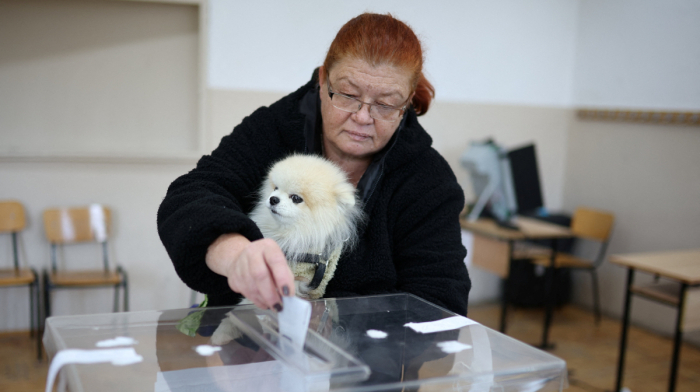
Hungary’s election winner Péter Magyar has said he does not support Ukraine’s fast-track entry to the European Union and will uphold an opt-out allowing Hungary to avoid contributing to a €90 billion EU loan for Kyiv.
You can download the AnewZ application from Play Store and the App Store.
What is your opinion on this topic?
Leave the first comment