Ukraine's Zaporizhzhia nuclear plant reconnected after outage
Ukraine's Zaporizhzhia Nuclear Power Plant has been reconnected to the electricity grid after repairs were carried out under a localised ceasefire bro...
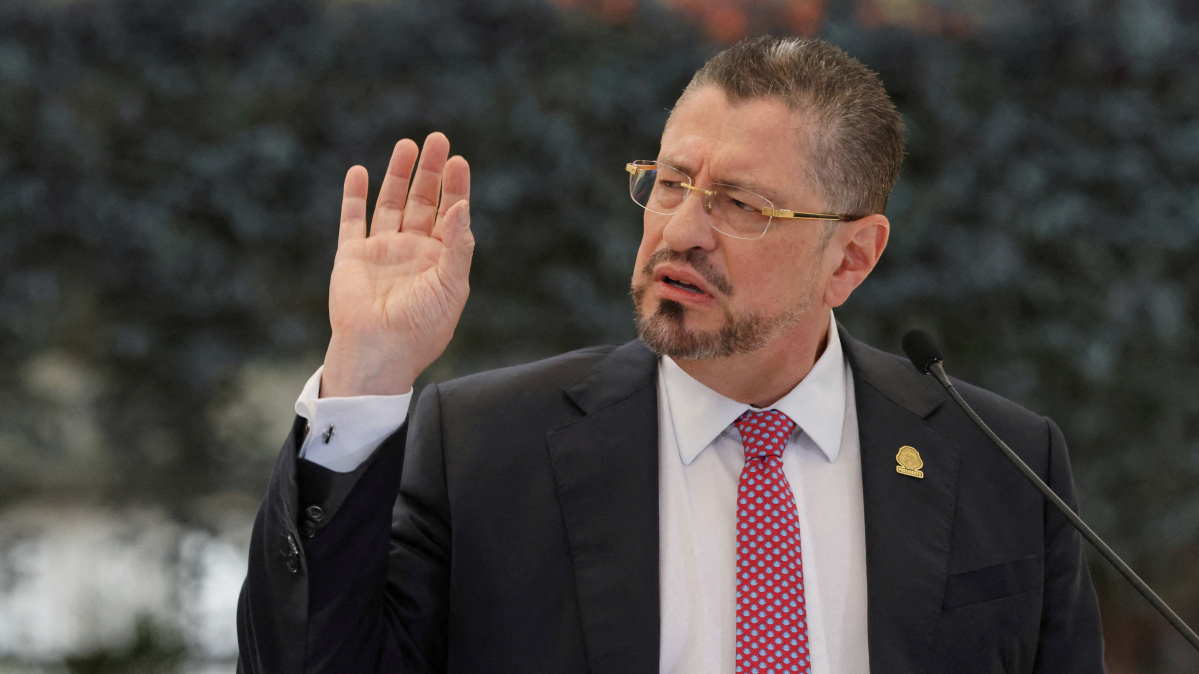
Costa Rican President Rodrigo Chaves ordered the closure of the country’s embassy in Havana on Wednesday (18 March), saying he didn’t recognise Cuba’s government.
Speaking at an event in San José attended by the U.S. ambassador, Chaves said the decision was a protest against Havana’s treatment of the Cuban people.
“Costa Rica does not recognise the legitimacy of Cuba’s communist regime, given the mistreatment, repression and undignified conditions endured by the inhabitants of that beautiful island,” he said.
“We must cleanse the hemisphere of communists,” Chaves added.
Cuba said it “strongly rejected” Chaves’s accusations, branding the embassy closure an "arbitrary decision,” taken “under pressure” from the U.S.
Chaves had “crudely manipulated the history and reality of Cuba and scandalously ignored the direct responsibility that the United States blockade policy has had in the worsening of the economic situation and the deterioration of the living conditions of the Cuban people”, Havana’s Ministry of Foreign Affairs said in a statement on Wednesday.
Costa Rica’s move comes just weeks after Ecuador ordered the expulsion of Cuban diplomats from the country, prompting Cuba to shut down its embassy in Quito.
The right-wing administrations in Costa Rica and Ecuador have aligned themselves with U.S. President Donald Trump, who recently signalled he may intervene on the island.
“I do believe I’ll have the honour of taking Cuba,” he told reporters in the Oval Office on Monday (16 March).
Cuba’s government has blamed a longstanding U.S. economic embargo for an ongoing crisis that has driven more than one million people to leave the country.
Most recently, the Trump administration’s oil blockade on the island has contributed to widespread blackouts, cutting power to homes, hospitals and businesses.

Pakistan has warned that any attempt by India to block or significantly reduce river flows under the Indus Waters Treaty could have “far-reaching consequences”, after India's water minister said New Delhi was working to ensure that “not a single drop” of water reaches Pakistan in the coming years.
SpaceX made a historic entrance into the Nasdaq on Friday, surging over 20% in its first day of trading and lifting its valuation to more than $2 trillion. Investors flocked to the world’s largest IPO, betting on Elon Musk’s sprawling empire spanning rockets, AI and beyond.
Armenia has every right to choose Europe. But Europe’s support for Armenia’s direction should not become automatic approval of its political process.
U.S. President Donald Trump has said a peace agreement with Iran is scheduled to be signed on Sunday in a post on social media, despite Tehran's Foreign Ministry spokesperson Esmaeil Baghaei saying no deal would be approved this weekend.
Japan’s birth rate and fertility levels have fallen to their lowest levels on record, highlighting the country’s worsening demographic crisis as fewer people marry and have children.
George Russell continued Mercedes's dominant qualifying form by securing pole position for the Barcelona-Catalunya Grand Prix, while Lewis Hamilton ensured an all British front row with second place for Ferrari.
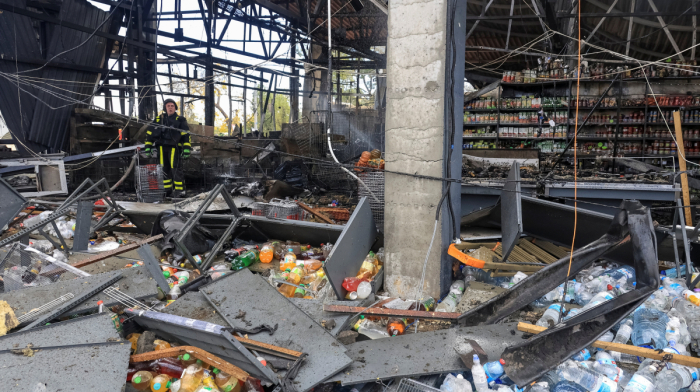
Ukraine's Zaporizhzhia Nuclear Power Plant has been reconnected to the electricity grid after repairs were carried out under a localised ceasefire brokered by the International Atomic Energy Agency (IAEA).
Swiss voters decide whether to back a proposal to cap the country's population in a referendum likened to Britain's Brexit vote, which could have far-reaching consequences for the economy and Bern's relations with the European Union.
Every June, roughly 13 million young people in China sit down at the same time to take the same test. They have been preparing for it, in many cases, since primary school. Their families have rearranged their lives around it.
European museums are increasingly returning cultural artefacts to countries in Africa and the Middle East, as pressure grows to address the legacy of colonialism and disputed ownership.
You can download the AnewZ application from Play Store and the App Store.
What is your opinion on this topic?
Leave the first comment