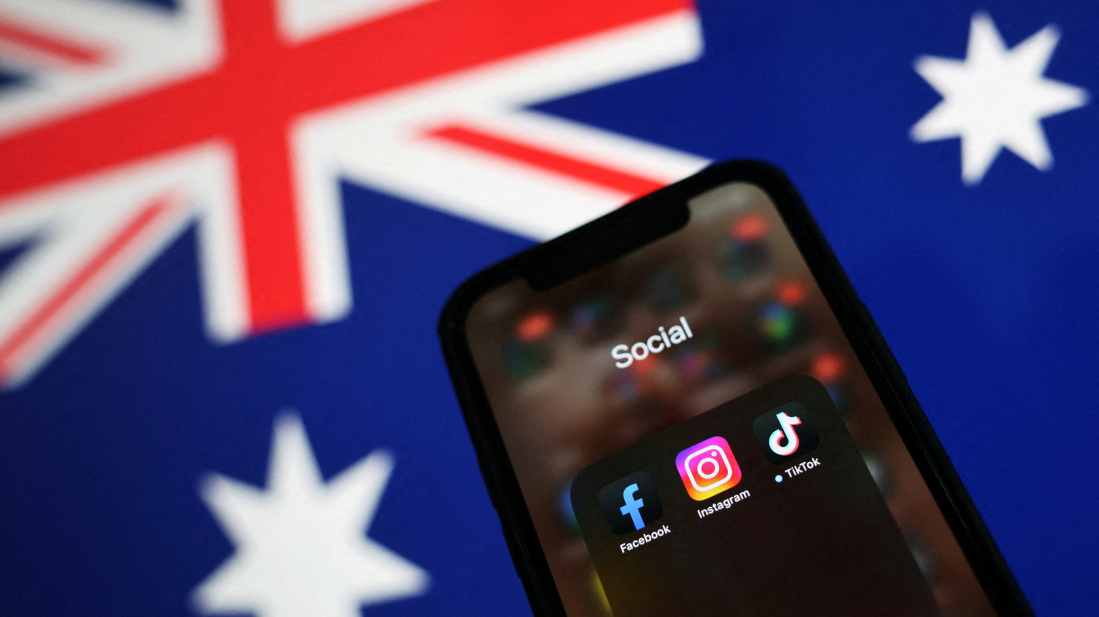
The possibility of restricting social media access for children is a hot topic in the European Union and the United Kingdom, after Australia implemented a world-first ban for those under 16. Lawmakers have labelled the ban a “real-world test” of how far governments can go to protect young people.
The law, which came into effect on 10 December, requires major platforms — including Instagram, TikTok, Snapchat, Facebook, X, and YouTube — to block under-16s from signing up or to deactivate existing accounts. Platforms that fail to comply face fines of up to A$49.5 million (approximately $33.3 million), according to Australia’s eSafety Commission.
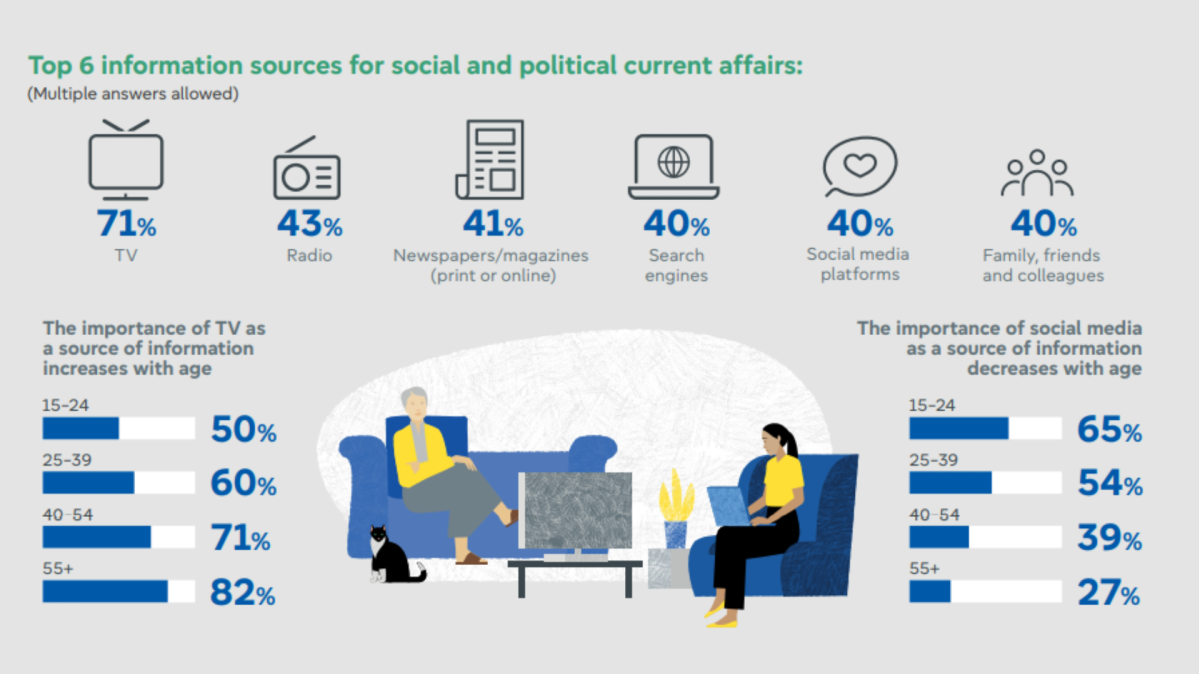
A 2025 eSafety transparency report found that 95% of Australian 13–15-year-olds and nearly 80% of 8–12-year-olds used social media last year, despite platform restrictions.
Following the ban, platforms reportedly deleted or suspended up to one million teen accounts overnight.
Analysts say Australia’s move has become a global test case for balancing online safety with freedom of expression and innovation.
According to TechRadar, lawmakers worldwide are “watching closely” to see whether the ban reduces exposure to harmful content or simply drives young users to less-regulated online spaces.
An ABC News poll showed 77% of Australian adults back the measure, while Al Jazeera noted that several governments — including Denmark, Malaysia, and New Zealand — are studying the Australian model for possible adoption.
Meanwhile, in France, President Emmanuel Macron has publicly supported bans on social media for children under 15, while Denmark is preparing legislation inspired by the Australian approach, European press reports.
European Parliament's response
The European Parliament recently approved a resolution, by 483 votes to 92, calling for a 16-year age limit for access to social media, with exceptions for children aged 13–15 if parents consent.
The vote also urged stricter enforcement of the Digital Services Act, including mandatory age-verification systems and a ban on addictive design features such as infinite scroll and autoplay for minors, according to the European Parliament Press Service.
Danish MEP Christel Schaldemose told the press that the goal is to ensure “children’s online environments are safer and less manipulative,” noting growing evidence linking heavy social-media use to anxiety, sleep loss and poor concentration among teenagers.
According to Eurobarometer surveys, over 90% of Europeans believe urgent action is needed to protect children online from mental-health risks, bullying and exposure to harmful content.
Britain's reaction
However, Britain’s government has ruled out a ban, insisting current parental controls and online-safety laws are sufficient.
However, many British parents disagree. Speaking to Reuters, one London resident said, “Anyone can get in touch with your child at the touch of a button — I wish they’d do something similar here.”
Others expressed concern that a full ban might push children towards unregulated platforms or interfere with digital-literacy education.
Australia’s enforcement and Europe’s deliberations mark a shift in how democracies address the intersection of children’s mental health, data privacy and social-media design — an issue likely to dominate digital-policy debates in 2026.














What is your opinion on this topic?
Leave the first comment