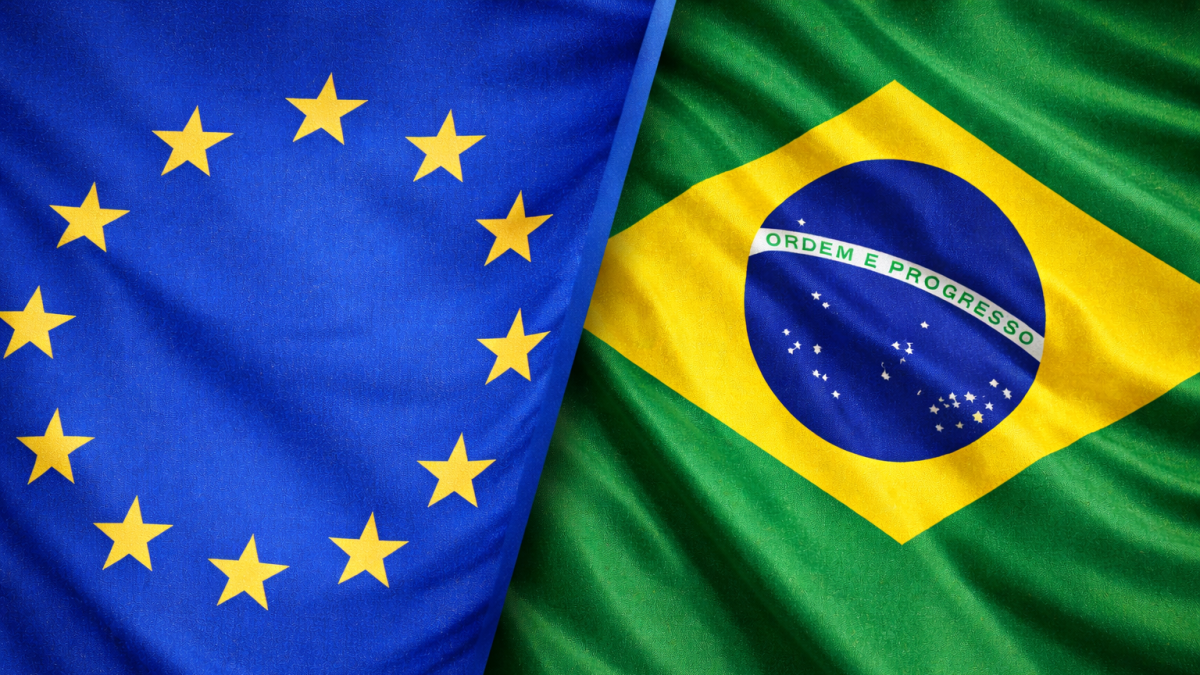
Brazil’s Chamber of Deputies has approved an historic free trade agreement between Mercosur and the European Union, moving the long-delayed pact closer to implementation.
The vote sends the agreement to the Senate for further debate. Signed in Paraguay in January, the deal marks the end of more than 25 years of negotiations.
The agreement aims to reduce trade barriers by cutting or eliminating tariffs on goods exchanged between the two blocs. If fully implemented, it would create one of the world’s largest free trade zones, linking more than 700 million people and supporting more than $22 trillion in combined economic activity.
Brazil must still secure approval from its Congress and the European Parliament for full ratification, though domestic implementation may proceed independently of other Mercosur members.
The parliamentary debate reflected political divisions over the pact’s economic impact.
Speaking for the Brazil of Hope Federation, lawmaker Renildo Calheiros said the agreement should not be viewed as a comprehensive national development strategy.
He argued that Brazil’s industrial slowdown is partly linked to what he described as an economic structure that favours financial markets over domestic manufacturing.
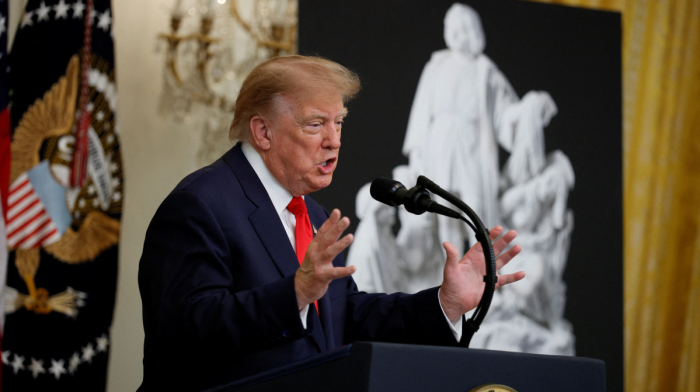
Calheiros also referred to global trade shifts and protectionist policies associated with U.S. President Donald Trump, saying rising tariffs and declining multilateral cooperation are pushing countries to seek alternative trade partnerships.
Supporters say the pact could boost Brazilian agricultural exports and attract investment, while critics warn it may increase competition for the country’s manufacturing sector.
EU–Mercosur trade pact in brief
The agreement between Mercosur and the EU aims to strengthen economic ties between South America and Europe.
It creates a market of about 700 million people by lowering trade barriers on industrial products including cars, machinery and pharmaceuticals. European exporters are expected to benefit from reduced tariffs, potentially saving billions of euros annually.
The deal also improves European access to strategic raw materials from Mercosur countries, which are important for clean technology and digital industries.
European companies will also be able to bid on public procurement projects in Mercosur markets, including government contracts in Brazil.














What is your opinion on this topic?
Leave the first comment